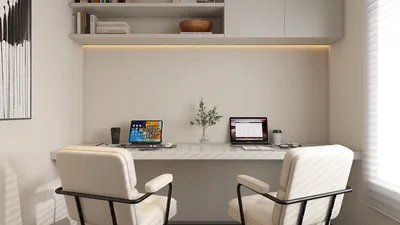


When I design wardrobes for living rooms, I view them as multifunctional elements of architecture—serving dual purposes as storage solutions that also enhance the aesthetic appeal of the space. A well-crafted wardrobe can seamlessly integrate storage for media, a bar area, and displays while maintaining the room's proportions and openness. Studies by Steelcase reveal that visual clutter is linked to cognitive load, impacting focus and comfort levels. By utilizing concealed storage, we can significantly enhance satisfaction in shared spaces. Furthermore, the WELL v2 framework highlights how organized environments contribute positively to mental well-being, promoting a sense of calm and control through thoughtful design practices.
Lighting serves as a crucial design element that can elevate a standard wardrobe to greatness. The Illuminating Engineering Society (IES) recommends that living spaces achieve ambient lighting levels between 10 and 20 foot-candles (about 100-200 lux). This can be accomplished with techniques such as soft cove lighting or linear grazing above or within wardrobe façades. Implementing glare-reducing downlights in display areas and warm lighting sources in the 2700–3000K range helps foster a welcoming atmosphere. Color perception also plays a role: warmer tones are seen as inviting, while cooler tones promote relaxation and clarity, which is particularly beneficial in nuanced spaces like a drawing room. For more insights into creating mind-friendly environments, refer to the WELL v2 and IES guidelines.
Fundamental Design Principles for a Drawing Room Wardrobe
• Balance mass and void: An effective approach for full-height wardrobe walls is to divide the structure into solid areas and recessed niches. I strive for a 60/40 ratio of solid to void to ensure visual stability without overwhelming the space.
• Prioritize sightlines: In smaller rooms, keeping bulk storage to one wall while maintaining a low profile elsewhere promotes openness. Conceal audio-visual equipment and seasonal items behind flush panels to create unobstructed views across the room.
• Focus on acoustics: Use clothing-lined compartments and felt-lined panels to absorb sound and reduce noise from televisions and conversations. Consider integrating perforated doors over acoustic batting in media zones to control sound while keeping technology out of sight.
• Ergonomics first: Position frequently used items within 24 to 60 inches of the floor for easy access. While handle-less push-latch mechanisms are effective, slim pulls with high contrast are better suited for children and elderly users to enhance usability.
Wardrobe Styles That Complement Modern Living
• Built-in wardrobes with sliding panels: Perfect for narrow spaces where traditional swing doors would be impractical. Utilize wide sliding panels (42-54 inches) equipped with soft-close tracks for a sleek appearance.
• Concealed framed portals: Design a focal point for your TV or art while flanking it with hidden storage, using a seamless wood grain to create an elegant and architectural vibe.
• Combination display and hidden storage: Alternate between closed sections and open niches to showcase decor, books, or barware. Employ dimmable 2700K linear LED lighting for depth without glare.
• Standalone armoire configuration: In rental situations, align two or three tall armoires with a common base and top valance to achieve a unified look without heavy renovations.
Material Selection and Finishing Techniques
• Opt for matte finishes: Select low-sheen veneers, super-matte laminates, or lacquer finishes to minimize glare and the appearance of fingerprints, especially under grazing light.
• Combine warm woods with cool minerals: Pair materials like walnut or white oak with microcement or sintered stone to achieve a harmonious balance of warmth and sophistication.
• Textural acoustics: Introduce wool felt, ribbed timber, fluted glass, and fabric-wrapped elements to enhance sound absorption and visual interest while limiting the number of textures to three to reduce visual clutter.
• Make sustainable choices: Prioritize FSC-certified materials, low-VOC finishes, and formaldehyde-free substrates. It's also wise to ventilate millwork off-site prior to installation to mitigate indoor VOC concentrations.
Door Mechanisms: Aesthetic and Functionality Combined
• Sliding doors: Ideal for tight spaces, they should feature split panels with integrated pulls and anti-jump hardware. Employ brush seals to soften closure and minimize dust.
• Fluted glass pivot doors: These are excellent for mixed display, softening clutter visually while allowing illuminated objects to shine through. Use soft-close pivots and sleek bronze frames for an elegant finish.
• Bi-fold pocket doors: Best for media units that require occasional access. Conceal the tracks in the top valance and use 170° hinges for an aligned result.
• Tambour doors: Curved edges and reeded wood tambours provide a seamless appearance around structural features in traditional layouts.
Understanding Color Psychology in the Drawing Room
• Restorative bases with bold accents: Use neutral foundation colors (e.g., warm greige, mushroom, clay) for a calming backdrop, while adding deep accents (like ink blue, forest green, or oxblood) in niche sections for a touch of drama.
• Purposeful color application: Research indicates that blues and greens foster relaxation, while soft yellows suggest a friendly ambiance. Incorporating these hues within the wardrobe can enhance the mood without repainting the entire room.
• Consistent color temperature: Align warm materials with lighting in the 2700–3000K range, or opt for 3000–3500K if cooler palettes are preferred.
Ergonomics and Everyday Functionality
• Zoning for efficiency: Design upper cabinets for rarely-used items, mid-zones for everyday electronics or books, and lower drawers for games and textiles, complementing with organizational aids for remotes and chargers.
• Equipment ventilation: Ensure passive airflow for AV and router units. Use perforated back panels or maintain small gaps at the top and bottom of doors and only consider fans if required due to heat.
• Cable management: Create a vertical service channel with magnetic access covers to facilitate future adjustments, and label all cables smartly for ease of access.
• Safety standards: Incorporate soft-close mechanisms, anti-tip anchors for freestanding units, and rounded edges on lower components to enhance safety, particularly in family environments.
Optimal Lighting Solutions for Wardrobes
• Ambient light: Aim for 100 to 200 lux through ceiling fixtures or indirect coves for uniform surface visibility per IES standards.
• Accent light: Target 200 to 500 lux in specific niches to showcase art and barware, using high CRI (90+) LEDs to ensure accurate color representation.
• Task lighting: For activities like reading or preparing drinks, aim for 300 to 500 lux using under-shelf strips with glare shields.
• Control options: Dimming capabilities to 1% and warm-dimming features enhance evening comfort. Attach lights to door sensors to avoid leaving them on unnecessarily.
Strategizing Layouts and Adaptation to the Space
Begin by mapping out your usage behavior: where you engage in watching, reading, socializing, and storing. I recommend maintaining clearances of 36–42 inches for main pathways, and 18–24 inches for secondary access routes. Media arrangements work optimally when screens are positioned at eye level relative to main seating, typically around 40-44 inches. In elongated drawing rooms, concentrate taller structures at one end to create balance while maintaining openness at the other end. If you're exploring layout options, a visualization tool can be particularly useful—consider using a room layout planner like Homestyler to experiment with various layouts and finishes before finalizing your choices.
Seamless Integration: Media, Bar, and Display Areas
• Media setups: Mount TVs on removable VESA panels, concealing soundbars behind acoustically transparent fabric. Ensure speaker placement is aligned with ear level from seating to optimize sound experience.
• Hidden bar area: Utilize pocket or bi-fold doors with internal surfaces made of quartz, a mirrored back for a touch of sparkle, and include a shallow sink if plumbing allows. Incorporate a warm 3000K strip under the first shelf to highlight glassware beautifully.
• Showcase art and literature: Recessed picture rails or modular shelving systems create a gallery-style arrangement; fine-tune lighting with CRI 95+ to preserve artwork integrity.
Solutions for Compact Spaces
• Shallow builds: Maintain depths of 14-16 inches to accommodate books, AV units, and folded textiles without encroaching on floor space.
• Mirrors and metallic inlays: Introduce mirror panels to enhance light and visually enlarge the room without overwhelming the wall space.
• Vertical alignment: Tall, slender doors with continuous grain patterns elongate perspectives in lower-ceilinged spaces; consider thinner plinths (2-3 inches) for reduced visual bulk.
• Concealed workspace: A fold-down surface hidden behind a panel can serve occasional tasks efficiently while keeping home offices understated.
Core Construction Details I Depend On
• Carcasses: Construct using 19mm plywood or high-density particleboard with proper edge banding; ensure wall level checks and fit fillers as needed.
• Hardware quality: Employ full-extension soft-close runners and concealed hinges with opening angles of 110–170°. Utilize leveling feet behind clipped plinths for accessibility.
• Wiring considerations: Introduce dedicated circuits for AV and lighting systems using accessible low-voltage drivers through a service panel.
• Tolerance and movement: Maintain 2-3mm reveals around doors to account for seasonal shifts; test door function after allowing for acclimation up to 48 hours.
Cost Structure and Planning
• Budget allocation: Consider laminate or melamine materials for entry-level pricing with simple sliding doors, transitioning to veneer and lacquer for mid-range, and culminating in premium tiers with solid wood and metal frames.
• Phased implementation: Begin with carcass structure and wiring first; live with this for a week, then finalize door styles and handles—natural lighting and use will often clarify decision-making.
Maintenance and Durability
• Finishing care: Utilize pH-neutral cleaners and avoid silicone polishes that might attract dust. If specified, re-oil wooden surfaces one or two times annually.
• Modular replacements: Design shelves and back panels to be removable for easy upgrades, such as accommodating new tech without demanding large-scale renovations.
• Future versatility: Leave 10-15% of your wardrobe's volume free; storage will naturally expand to fill available space.
Frequently Asked Questions
Q1. What is the recommended depth for a drawing room wardrobe?
A1. Typically, a depth of 14-18 inches suffices for a mixture of media, books, and barware. If you intend to hang items occasionally, allocate one section at 22-24 inches deep.
Q2. How do I prevent the wardrobe from constricting the room?
A2. Focus height on a single wall, utilize matte surfaces, break up the facade with recessed sections, and incorporate vertically-washing lighting fixtures. Maintain at least 36 inches for circulation space.
Q3. What are the ideal lighting specifications for niches?
A3. Target lighting levels between 200 and 500 lux using 2700–3000K LED bulbs with a CRI of 90+; incorporate diffusers and position strips towards the front edge to avoid illuminated spots that disperse light unevenly.
Q4. Are sliding doors more advantageous than hinged ones in living spaces?
A4. In claustrophobic areas, sliding doors maintain circulation while eliminating clearance concerns. Hinged doors offer complete access and more effective sealing; select them based on available aisle width and frequency of use for each section.
Q5. How can I improve acoustics without visible treatments?
A5. Line chosen compartments with felt, utilize fabric behind perforated doors where speakers are placed, and introduce soft furnishings on opposite surfaces (like curtains and rugs) to mitigate echo.
Q6. Which materials will withstand wear in a busy drawing room?
A6. Open-grain oaks, walnut veneers, super-matte laminates, and sintered stone surfaces offer durability. Prioritize robust edge banding and high-grade soft-close components for longevity.
Q7. What's the optimal color strategy for spaces designed for social interactions and relaxation?
A7. Use warm, neutral shades for the primary surface and introduce darker colors (like ink, forest, or oxblood) in niches for dynamic contrast. Maintain warm-dimming lighting to seamlessly transition between vibrant and cozy atmospheres.
Q8. How should I manage AV and cable organization?
A8. Include a dedicated vertical channel for cables, incorporating accessible panels, grommets at shelf intersections, and a dedicated circuit for electricity. Ensure passive airflow with gaps for ventilation.
Q9. Is it possible to retrofit a wardrobe in a rental unit without significant alterations?
A9. Absolutely. Consider assembling freestanding armoires with a unified base and top valance for an integrated appearance while employing surface-mounted LED strips and cable covers to streamline the look without invasive modifications.
Q10. How can I prototype the layout effectively?
A10. Utilize an interior layout planner to visually assess heights, clearances, and finishes before production; a tool like Homestyler can assist in swiftly comparing various design choices.
Q11. What's a sensible approach to budgeting for wardrobe design?
A11. Prioritize quality in the carcass and hardware; doors and handles can be upgraded in later phases. Ensure you allow for testing of light and visibility before solidifying the finish selections.
Q12. Are there any standards I should be aware of?
A12. Refer to IES guidelines for lighting benchmarks in living areas, and consider WELL v2 principles to enhance mental well-being and visual comfort while detailing your wardrobe and lighting solutions.

Homestyler is your go-to online design platform for transforming home spaces! With its user-friendly design tool, stunning 3D renderings, diverse design projects, and helpful video tutorials, you can effortlessly create your dream home. Start your design journey today and unleash your creativity with ease!
Diseño ahora GRATIS
































