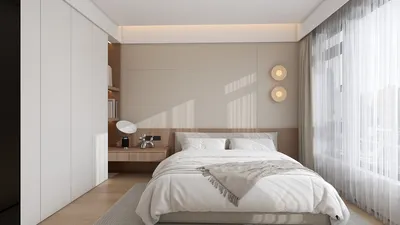


Using orange in interior design can transform spaces, infusing them with joyful energy, warmth, and optimism when applied thoughtfully. I rely on this vibrant color to invigorate subdued palettes, enhance contemporary designs, or establish an inviting atmosphere in living areas and kitchens. The secret lies in the proportion: imagine using orange as a temperature control—altering its saturation, finish, and coverage to align with the room’s lighting, purpose, and desired ambiance.
Research on human performance has shown that color extends beyond mere aesthetics. According to Steelcase, the mood and productivity in workspaces are significantly affected by color and the quality of light, with warm tones fostering a sense of warmth and community in collaborative environments. Additionally, the WELL v2 standard highlights visual comfort as part of overall wellness; glare control, balanced brightness, and color contrast all play crucial roles in minimizing visual fatigue during daily activities. These foundational principles inform my decisions when I combine orange with neutral tones and accent colors.
In practical terms, I adjust the intensity of orange according to the setting. A bold orange backsplash can invigorate a kitchen for morning routines, while a muted terracotta rug can anchor a cozy reading nook. An overview of color psychology from Verywell Mind indicates that orange often inspires enthusiasm and creativity, making it perfect for family rooms and casual workspaces, but it should be moderated to avoid overstimulation. Ideal lighting settings include 2700–3000K for warm, soothing areas, and 3500–4000K for energetic, task-driven environments, ensuring that orange appears inviting rather than overwhelming.
Soft Earth: Orange + Warm Neutrals
For a subtle warmth, pair gentle orange shades like terracotta, clay, or paprika with neutral tones such as oatmeal, taupe, or greige. I prefer matte finishes that minimize glare and maintain a tactile palette—think limewash walls, wool throws, and oak furnishings. A 20–30% presence of orange in textiles or wall hues sustains balance, while natural fabrics enhance acoustic comfort in open-plan living.
Modern Contrast: Orange + Charcoal or Black
A bold contrast pairing of orange with deep charcoal or black creates sharp lines and a gallery-like feel. Dark wall panels or black metal frames emphasize vivid orange furniture or artwork without dominating the room. Keep ceilings and larger surfaces light to maintain luminance balance as recommended by the WELL standards. This approach results in a striking yet controlled look, perfect for urban lofts and contemporary apartments.
Coastal Calm: Orange + Soft Blues
Combining burnt orange with gentle blues or slate results in a harmonious balance. To maintain visual tranquility, let blue hues take precedence on walls or rugs while incorporating orange through cushions, ceramics, or a statement chair. In spaces with variable daylight, opt for mid-tone blues that remain consistent throughout the day, and warm LED lighting (3000–3500K) to ensure orange does not appear overly red in the evening.
Nature-Inspired: Orange + Sage or Olive Green
The pairing of orange with green mirrors the inviting essence of autumn landscapes. I appreciate sage cabinetry accompanied by orange tiles or olive walls paired with terracotta planters and copper highlights. Authentic materials—stone, rattan, and linen—reinforce the biophilic aesthetic while improving sound absorption. In dining spaces, this color scheme fosters a convivial atmosphere without the aggressive tone of pure reds.
Elegant Evening: Orange + Deep Navy
The introduction of deep navy alongside vibrant orange creates a sophisticated, cocoon-like ambiance. Paint built-ins navy, then layer in orange velvet cushions, brass handles, and walnut detailing. Because darker walls can absorb light, it’s important to complement them with layered illumination: a diffuse ceiling source, wall washers to brighten vertical surfaces, and localized task lamps to maintain contrast within recommended comfort parameters from the IES.
Minimal Freshness: Orange + White or Soft Cream
For light, minimalist spaces, harmonize soft cream tones with a singular bold orange element—like a pendant light, a seating piece, or an impressive art installation. Maintain clear lines and avoid clutter to let the orange shape read as sculptural. In kitchens, an orange appliance or a backsplash element against white cabinetry can provide that pop of energy without sacrificing longevity.
Warm Scandinavian: Orange + Pale Wood
Light woods such as blonde oak, beech, and birch can soften the visual weight of orange. Use these woods for flooring and furniture, and introduce saffron or cantaloupe textiles. Consider 2700K ambient lighting for the evening and ensure a high color rendering index (CRI 90+) to keep wood and orange tones authentic. This palette is ideal for compact living spaces where warmth must pair with clarity.
Artful Retro: Orange + Mustard and Teal
To bring mid-century vibes to life, combine orange with mustard and teal. To maintain a harmonious look, distribute color by function: orange seating, mustard accents, and a feature wall in muted teal. Follow a 60-30-10 balance—base, secondary, accent—so the eye perceives rhythm rather than chaos.
Serene Bedroom: Peach or Apricot Variants
In bedrooms, opting for softer orange tones such as peach, apricot, or desert rose helps to create a warm, gentle atmosphere. These shades complement skin tones and mimic a serene sunrise. Use light-filtering window treatments to prevent harsh contrast changes at dawn. Pair with sand, blush, or soft gray to foster tranquility, while indirect lighting and fabric headboards enhance acoustic comfort.
Kitchen Energy: Orange Accents with Stone and Steel
In kitchens, accents of orange through tiles, stools, or small appliances can invigorate the typically cooler surroundings of materials like quartz, stainless steel, and concrete. Balance glossy finishes with matte alternatives to control reflections in work areas. Under-cabinet lighting set at 3500K makes food appear more appealing while keeping orange vibrant and fresh.
Small Space Strategy: Saturation and Proportion
In smaller spaces, it’s prudent to scale down orange. A runner, a single painted nook, or a framed fabric piece can inject personality without crowding the area. For testing layout ideas—such as clearances for furniture, circulation paths, and sightlines—utilize an interior layout planner to experiment with placements and color accents before making final decisions, including integrating the Homestyler tool.
Material & Finish Pairings
Orange pairs beautifully with natural materials such as terracotta, cork, rattan, and wool. When seeking a cozy vibe, opt for warm metals like brass and copper instead of chrome. If aiming for a sleeker, tech-forward aesthetic, allow for blackened steel and polished concrete to complement a high-gloss orange lacquer; incorporate acoustic panels or textured rugs to help manage sound reverberation.
Lighting, Glare, and Visual Comfort
Orange's impression of warmth alters with lighting choices. In south-facing rooms, ensure visual comfort with diffusers and shades to reduce glare; in north-facing spaces, increase ambient light levels and use warmer bulbs to prevent orange from appearing dull. Aligning with WELL v2’s recommendations for layered, glare-free lighting serves as a valuable guideline, while task areas should adhere to IES standards for optimal brightness, especially where color saturation might lead to increased eye strain.
Color Psychology Notes
Orange is associated with sociability, appetite, and creativity. It encourages longer stays in living and dining areas and enhances brainstorming spaces. In quieter settings—like libraries and bedrooms—shift to softer shades of orange and minimize high-gloss surfaces to lower arousal levels. Understanding behavioral patterns is crucial: align color intensity with the room’s intended purpose and energy.
Common Mistakes to Avoid
- Over-saturation: Excessive orange surfaces can lead to visual fatigue. Limit its use to accents or a single standout element.
- Ignoring light temperature: Warm hues can appear rusty under overly cool lighting; adjust according to the room's orientation.
- Flat materials: Combine textures to avoid a plastic-like appearance; matte, woven, and natural finishes contribute depth.
- Poor layout: Ensure clear traffic flow and allow for negative space so bold statements can be appreciated without chaos.
FAQ
Q1: Which shades of orange are best for small spaces?
A1: Softer shades—like peach, apricot, and muted terracotta—help to maintain an open feel. Use these on textiles or as a single accent wall, paired with light, high-CRI ambient lighting to prevent colors from appearing dull.
Q2: How can I balance orange with neutrals effectively?
A2: Start with a 60-30-10 ratio: 60% neutral base (greige, cream), 30% supporting tone (sage, navy), and 10% orange accents. Adjust the orange components based on the room's energy requirements.
Q3: Is orange suitable for bedroom decor?
A3: Certainly, especially in softer shades like peach or desert rose. Pair these with sand, blush, and linen, using indirect lighting to foster a serene environment.
Q4: What lighting temperature showcases orange at its best?
A4: Use 2700–3000K to enhance warmth in living and bedroom areas, and 3500–4000K for kitchens and home offices to support focus. Aim for CRI 90+ for accurate color rendering.
Q5: Which materials complement orange effectively?
A5: Look for natural materials like terracotta, cork, rattan, wool, and warm metals such as brass and copper. For a modern touch, pair orange with blackened steel or concrete while incorporating acoustic features to manage sound.
Q6: How can I incorporate orange into a high-contrast, modern space?
A6: Start with charcoal or black as a foundation, keeping ceilings light, and introduce one or two orange elements—such as sofas, artwork, or pendants—while managing glare with matte finishes.
Q7: Does orange enhance productivity in a home office?
A7: In moderation, yes. Orange can inspire creativity and sociability; pair it with cooler grounding colors (soft blue, charcoal) and ensure adequate lighting (3500–4000K) to minimize visual fatigue.
Q8: What’s the best approach to test orange within my layout?
A8: Create digital mockups for placements and sightlines, then sample paint colors in varying lighting conditions throughout the day. Employ a room layout tool like Homestyler to verify circulation and focal points before making final decisions.
Q9: How can I keep orange from feeling outdated?
A9: Maintain clean forms, blend in contemporary materials (walnut, linen, matte ceramics), and adhere to balanced proportions. Using seasonal accessories allows for refreshing tones and textures without the need for repainting.
Q10: When should orange be the focal point, and when should it be an accent?
A10: Use orange as a focal point in lively areas—like living rooms and dining spaces—where energy is beneficial. Reserve it as an accent in quieter areas such as bedrooms, libraries, and small entries to avoid overwhelming sensory experiences.

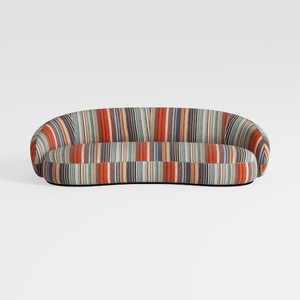

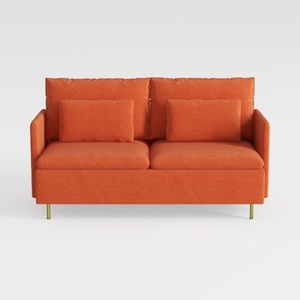
Homestyler is an exceptional online home design platform that empowers you to create stunning spaces effortlessly. With its user-friendly design tool, amazing 3D renderings, an extensive array of design projects, and helpful DIY video tutorials, transforming your home vision into reality has never been easier!
지금 무료로 디자인하세요
































