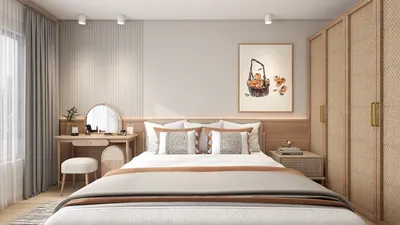


In India, drawing rooms embody a distinctive blend of hospitality, tradition, and everyday ease. When selecting wallpaper, my focus extends beyond just its design and hue; I evaluate how it interacts with natural light, artificial illumination, sound dynamics, and the scale of furnishings. An expertly chosen wall covering can visually enlarge a small space, mitigate echoes, and establish comfortable seating areas without the need for extensive carpentry work.
Research indicates that visual and sensory elements significantly influence the ambiance and functionality of a room. Studies by Steelcase reveal that environments featuring balanced visual intricacy and warm colors enhance comfort and encourage social interactions. Additionally, warm-neutral tones can alleviate visual fatigue in communal areas. The WELL v2 framework highlights the importance of managing glare and color rendering through high-quality lighting and contrast management, which is crucial when deciding between reflective and matte finishes. For insights on color psychology, Verywell Mind demonstrates that blues and greens evoke calmness and rejuvenation, while warm shades like terracotta and muted saffron can encourage conversation and socializing.
In Indian households where spaces often serve multiple functions, wallpaper choices must reflect varied lighting conditions and density. The intensity of the Indian sun can generate stark glare; therefore, matte and eggshell finishes are effective as they diffuse light instead of reflecting it. In compact urban apartments, typically under 900 square feet, I prefer fine geometric patterns or gentle textures, as larger designs can overpower a space unless meticulously scaled. When designing the layout for a seating wall and TV backdrop, I often utilize a space-planning tool to envision sightlines and areas of reflection related to windows and lighting.
Essential Guidelines for Wallpaper Selection
• Consider light quality first: Rooms facing north tend to be cooler, so I incorporate warm neutral tones with soft textures to introduce warmth. South and west-facing rooms experience harsh afternoon sunlight—here, opting for a matte finish and mid-tone color scheme helps to manage glare.
• Evaluate spatial proportions: In a 12x14 ft drawing room, a striking pattern on one accent wall balanced with subtle-textured surfaces elsewhere maintains aesthetic flow without chaos.
• Harmonize scale and patterns: Features like paisleys, jaalis, and mandalas should be sized so that a single repeat comprises no more than 30–40% of the wall height in small spaces; this strategy encourages visual movement and prevents confinement.
• Test in evening light: Warm LED lights (2700–3000K) enrich earthy tones while washing out cooler grays; it’s vital to check the wallpaper’s colors under your typical evening lighting to ensure accuracy.
Color Schemes that Complement Indian Design
• Timeless Warm Neutrals: Shades like cream, almond, and taupe paired with soft linen or grasscloth add sophistication to mixed wood furniture and brass details.
• Subtle Earthy Hues: Terracotta, clay, and muted saffron in delicate patterns harmonize perfectly with cane furniture and handcrafted textiles.
• Soothing Cool Tones: Shades like sage, eucalyptus, and dusty blue evoke tranquility; insights from Verywell Mind support these selections for reducing stress.
• Jewel Tones with Subtlety: Deep teal or aubergine on an accent wall, balanced with low-sheen finishes and fine metallic threads, avoids overwhelming the space.
Textures and Finishes: From Matte Serenity to Rich Tactility
• Matte and Eggshell Finishes: These are excellent for managing glare and disguising minor imperfections; they are my go-to for bright, west-facing rooms.
• Silk Effect or Grasscloth: These materials bring in depth without overwhelming patterns; it's essential to choose a color-stable version, especially in humidity-prone coastal regions.
• Textured Handloom-Inspired Designs: Printed or embossed textures mimic traditional weaves like khadi or ikat; they work best alongside neutral sofas and colorful cushions.
• Discreet Metallic Accents: Utilize these within patterns; high-gloss materials can create glare issues if located near televisions, so they should be used judiciously.
Pattern Considerations for Small versus Large Spaces
• Small Rooms: Opt for petite geometric patterns (like jaali or trellis) in muted tones to create a sense of spaciousness. Vertical stripes can also elevate the feeling of ceiling height.
• Large Spaces: Bold designs such as Rajasthan-inspired florals or Mughal arches can be used on one wall, while neighboring walls remain textured and serene to keep visual coherence.
• Handling Corners: Avoid strong diagonal patterns that disrupt spatial harmony; use continuous verticals behind curtains for a unified appearance.
Lighting, CRI, and Color Consistency
Lighting plays a crucial role in whether your wallpaper exudes luxury or appears lackluster. The WELL v2 framework suggests utilizing high color rendering lamps to enhance visual clarity; aim for lamps with a CRI of 90 or higher near art displays and seating areas. For general ambience, combining ceiling lights with diffused floor lamps is effective. According to IES recommendations on glare, it’s best to avoid bright reflections in the direct line of sight; matte finishes are your best choice for brightly lit homes.
For deeper insights, refer to resources like WELL v2 guidelines regarding lighting quality and Verywell Mind’s exploration of color psychology, which provide guidance for lighting and color decisions in versatile living areas.
Acoustic Comfort and Wallpaper Choices
Rooms with bare floors and minimal decor often produce echoes. Textured wallpaper, non-woven substrates, and fabric-backed vinyl can slightly enhance sound absorption. To further reduce reverberation time, combine these with curtains, rugs, and upholstered pieces; even minor adjustments can significantly enhance clarity during family interactions.
Choosing Materials: Durability and Climate Considerations
• Non-Woven Backing: Simplifies installation and removal while resisting shrinkage.
• Vinyl-Coated Options: Ideal for high-traffic areas due to their easy maintenance; ensure to select low-VOC variants.
• Humidity and Mold Considerations: Particularly in coastal settings, it’s advisable to avoid heavy fabrics in poorly lit corners; ensure walls are adequately primed and dry before application.
• Sustainable Choices: Selecting FSC-certified wallpaper and using water-based inks aligns with modern Indian home improvements without sacrificing visual appeal.
Feature Walls versus Full-Wall Applications
Feature walls are perfect for creating a focal point behind seating areas or directly opposite the entrance. In narrow spaces, applying a subtle texture on all four walls can minimize the corridor effect. Before finalizing selections, simulate your seating arrangement and TV angles using an interior design layout tool to ensure a harmonious blend between patterns and furniture placement.
Regional Style Insights
• Northern India: Ornate patterns and warm tones accentuate carved wood and brass elements; maintaining a low sheen enhances elegance.
• Western India: Coastal residences benefit from airy, matte pastels combined with woven textures.
• Southern India: Teak and cane beautifully complement earthy, textural wallpapers featuring shades of green.
• Eastern India: Rich textiles call for restrained wallpaper designs—textures are favored over bold prints to maintain consistency.
Tips for Installation and Maintenance
• Wall Preparation: Skim-coat, sand, and prime are necessary precautions; wallpaper tends to exaggerate uneven surfaces.
• Repeat and Alignment Consideration: Long, fine designs require careful alignment to prevent visual misalignment.
• Ventilation Post-Installation: Ensure proper ventilation after applying wallpaper to disperse any adhesive smells; choose low-VOC adhesives for safety.
• Care Instructions: Use a soft brush for dusting and spot-clean vinyl-coated surfaces with mild soap, steering clear of abrasive materials.
Proven Combinations I Turn To
• Cream linen texture paired with teak furniture and brass lighting creates a timeless and tranquil environment.
• Sage micro-patterns combined with cane chairs and ikat cushions provide a fresh and layered look.
• Muted saffron trellis wallpapers alongside off-white sofas and terracotta pottery offer a warm and inviting atmosphere.
• Dusty blue vertical stripes in combination with walnut consoles and framed textiles evoke a serene and elevated aesthetic.
Layout Considerations Before Purchase
Ensure that pattern orientation, window locations, and focal walls are in harmony with seating areas and TV setups. A layout simulation tool is instrumental in assessing light, pattern proportions, and furniture combinations before applying wallpaper, especially in smaller urban spaces.
Frequently Asked Questions
Q1: What wallpaper colors can make a small Indian drawing room appear larger?
A: Opting for low-contrast colors—cream, taupe, sage, dusty blue—combined with fine textures or subtle patterns can enhance the perception of space. Vertical patterns can also create the illusion of height, while matte finishes decrease glare that might make walls appear closer.
Q2: Are bold patterns appropriate for Indian interiors?
A: Absolutely, particularly as a statement on a feature wall. Adjacent walls should maintain a soft texture to prevent the design from overpowering the furniture. Testing the wallpaper under evening light is crucial for assessing color dynamics.
Q3: What finish is ideal for bright west-facing rooms?
A: Matte or eggshell surfaces, as they diffuse light and help manage reflections; it's advisable to combine these with warm LED lights (2700–3000K) to enhance earthy tones while avoiding excess brightness.
Q4: How do I select wallpaper for a space filled with wood and brass?
A: Choose warm neutrals or earthy tones accompanied by subtle textures to complement the wooden grains and brass finishes. Steer clear of high-gloss metallic wallpapers that may appear overly formal and reflective.
Q5: Can wallpaper aid in sound absorption?
A: Yes, textured and fabric-backed wallpapers can gently absorb sound. When paired with rugs, curtains, and upholstered furniture, they notably diminish echo and enhance clarity in conversations.
Q6: What lighting specifications should I verify for proper color display?
A: Look for lamps with a CRI over 90 near feature walls and artworks. Maintain a consistent color temperature, as warm LEDs enrich earthy palettes, while neutral whites (3500–4000K) enhance cooler colors.
Q7: What is the best choice for humid environments?
A: Non-woven or vinyl-coated wallpapers paired with low-VOC adhesives are most effective, particularly over primed, dry walls. It's best to avoid heavy fabric wallpapers in damp, shaded corners.
Q8: How do I harmonize wallpaper with Indian textiles?
A: Let the textiles showcase bold colors and patterns, while opting for wallpaper with subtle textures or delicate geometries. This layering technique creates richness without visual clutter.
Q9: Is it feasible to use metallic accents in my décor?
A: Small metallic thread lines or micro motifs are advisable. Reserve high-gloss metallics for low-glare areas, distanced from the television to minimize distractions.
Q10: How can I effectively measure pattern scale?
A: Print a sample in actual size and tape it to your wall. Observe it from your usual seat in both daylight and evening light to evaluate the pattern's impact and rhythm.
Q11: Is having a feature wall essential?
A: Not necessarily. In long, narrow rooms, a consistent low-contrast texture across all walls can create a more peaceful and expansive feel. You can use artwork and lighting to establish focal points instead.
Q12: How long can I expect quality wallpaper to last?
A: With the right preparation and care, wallpapers typically last around 7 to 10 years. It’s critical to select washable materials for high-contact areas and avoid steam exposure.

Lazzo Rattan Coffee Table Mid Century Modern Cente
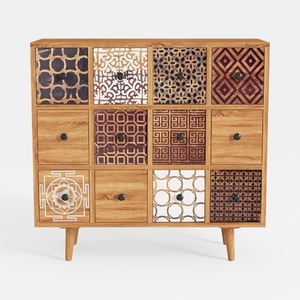
Best Choice Products 9-Cube Storage Organizer
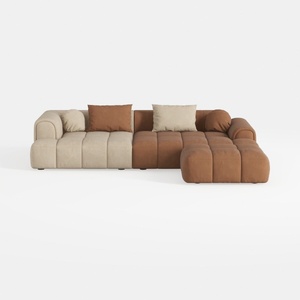
Modern Velvet Sectional Sofa, U Shape Minimalist M
Homestyler makes home design a breeze! With its innovative online design tool and stunning 3D renderings, you can visualize your ideas effortlessly. Plus, explore a wealth of inspiring design projects and helpful video tutorials to guide you every step of the way. Dive into creativity with Homestyler!
Desain sekarang Gratis
































