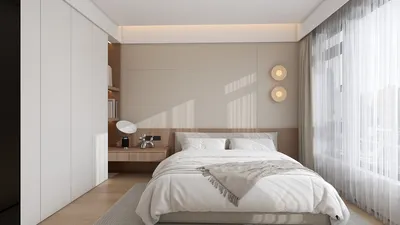


Flat walls can diminish the charm of beautifully furnished rooms, but the addition of texture can completely change that narrative. By utilizing various techniques such as limewash, knockdown, Roman clay, beadboard, or fabric panels, homeowners can introduce depth, control lighting, and create inviting moods without the need for an extensive renovation. Research from Herman Miller indicates that incorporating visual variety into our surroundings can alleviate mental fatigue and increase engagement; by applying these principles at home, you can create spaces that feel richer and more comfortable. Similarly, Steelcase emphasizes that layered visual elements help residents comprehend different areas and their functions, enhancing user satisfaction and ease of movement throughout the home.
The interplay of light and shadow is crucial for showcasing textured walls. The Illuminating Engineering Society (IES) advocates for balanced ambient lighting which can prevent glare and harsh contrasts; diffuse lighting methods, such as wall grazers or shaded lamps, can gently showcase textures without leading to eye strain. Additionally, the WELL Building Standard v2 highlights the importance of visual comfort through appropriate lighting levels and glare control, which are essential for promoting wellbeing. In living spaces, combining texture with warm lighting in the range of 2700K to 3000K results in calming visual edges and inviting surfaces that enhance comfort.
Exploring the Impact of Texture in Your Space
Texture influences our visual perception significantly. Smooth, matte painted walls tend to draw attention to the furnishings, while textured surfaces distribute focus differently, providing rhythm and depth to the environment. From a human-factors perspective, slight irregularities can help delineate boundaries and pathways, which is especially beneficial in open-concept floor plans. Color psychology also plays a vital role; textures in cooler tones, such as soft gray limewash and pale blue beadboard, evoke serenity, whereas warmer hues, such as clay and oatmeal plaster, radiate coziness and sociability. Insights from VeryWellMind confirm that blue promotes tranquility and stability, while warm tones encourage a sense of comfort—these findings should guide your color selections.
Selecting the Right DIY Techniques for Texture
Choose a technique that reflects your skill level and the specific requirements of the room. Below are some methods I have successfully implemented in both client homes and my own renovations.
Ideal for achieving a subtle, cloud-like appearance. Limewash creates a soft, mineral surface that appears gentle under natural light. Apply it with a cross-hatch brush technique on primed, flat walls. Two to three applications offer depth without overwhelming texture. Pair with warm lighting fixtures to prevent a chalky look from emerging.
Perfect for creating refined, touchable surfaces with a delicate sheen. Thin troweled layers can be applied and lightly burnished for a stone-like texture, making it a great feature behind headboards or in dining areas. Opt for soft color choices to avoid being too ostentatious; neutral shades like taupe or bone maintain a timeless appeal.
A cost-effective technique that is approachable for many DIY enthusiasts. Use a thinned joint compound, applying it with a thick-nap roller, then lightly knock down the texture with a wide knife after it has partially set. Ensure the pattern is light—overly heavy textures can date the appearance. Seal with a flat paint to minimize glare.
An architectural solution featuring clean lines; great for establishing rhythm and correcting scale issues. Vertical slats can visually enhance ceiling height, while horizontal runs can broaden narrow hallways. Choose satin or matte finishes to manage reflections effectively.
Accent your space while enhancing acoustic comfort. By wrapping rigid panels in linen or wool blends, you can diminish noise while introducing tactile warmth—particularly useful in media rooms or lively dining areas. Select tightly woven fabrics for durability and easy maintenance.
Strategizing Your Wall Textures Layout
The effectiveness of texture is greatly enhanced when strategically placed. Consider accenting the wall opposite a major light source to optimize soft grazing light. In smaller rooms, it's best to confine texture to 30-40% of the visible wall space to prevent visual overcrowding. If you're planning furniture arrangement and circulation before applying texture, utilizing a room layout tool like Homestyler can help visualize traffic flow and sight lines.
Light, Color, and the Importance of Comfort
The direction of lighting influences the overall atmosphere. Grazing light, created by fixtures positioned close to the wall, highlights texture, while diffuse ambient light softens contrast. Following IES recommendations, combine ambient lighting with task-focused sources while keeping luminance ratios gentle to prevent hotspots on your textured surfaces. For color selections, aim for a light reflectance value (LRV) of between 40 and 65 on textured finishes to maintain depth while ensuring the room doesn't appear too dark. Warm neutrals like sand and pale terracotta add coziness, while cooler options like dove gray offer clarity. In multifunctional spaces, I prefer to use warmer textures in social areas and cooler options in workspaces to subtly cue behavior changes.
Sustainable Materials and Choices
Opt for low-VOC coatings and mineral plasters when feasible, as they are more beneficial for indoor air quality and have longevity. Natural textures, like cork panels, provide both acoustic benefits and sustainability. When considering wood slats, select FSC-certified species and think about applying waterborne finishes. Material selection influences touch, sound, and upkeep; for instance, linen gathers less dust compared to chenille, and matte paints conceal minor scuffs better than glossy finishes.
DIY Guide: Two Reliable Pathways
1) Preparation: Carefully clean, patch, and lightly sand the surface. Prime with a suitable mineral primer.
2) First coat: Use a brush with overlapping X-strokes and keep a wet edge for even coverage.
3) Second coat: Alter the direction of application to enhance texture movement.
4) Optional third coat: This can intensify the mottling effect.
5) Curing: Avoid splashes for the first 48 hours; afterwards, add soft textiles and warm lighting to complete the look.
1) Protect and mask flooring before starting the project.
2) Prepare the compound to a pancake-batter-like consistency for application.
3) Roll the compound evenly, allowing it to set until it loses its sheen.
4) Lightly knock down the texture using a 10–12 inch knife positioned at a shallow angle.
5) Allow it to dry completely, sand down high points, and finish with flat or eggshell paint.
Implementing Texture Throughout Your Home
Entryway: A single limewashed wall establishes a welcoming atmosphere without overwhelming the space.
Living Room: Combining slatted panels behind media units with fabric-wrapped art pieces ensures acoustic harmony.
Kitchen: Beadboard on the island face enhances rhythm; ensure splash zones maintain a smooth finish for easy cleaning.
Bedroom: Implementing Roman clay paint behind the bed introduces softness, and utilizing dimmable warm light promotes relaxation in the evening.
Bathroom: Restrict texture application to micro-levels as high humidity necessitates mildew-resistant materials.
Common Mistakes and Simple Solutions
Excessive contrast: Introduce a diffuser or alter bulb temperature to within the 2700K to 3000K range.
Prominent trowel marks: Lightly sand the surface and apply a thin skim layer.
Inconsistent panel spacing: Maintain uniform module widths and align them with door and window frames for a cohesive look.
Color discrepancies: Always test swatches under varying light conditions before finalizing your choice.
Frequently Asked Questions
Select a wall that captures gentle daylight or is positioned behind a focal point like a sofa or bed. Avoid heavily traveled pathways to maintain clear edges.
While dark, heavy textures may be limiting, lighter, less noticeable finishes with a medium LRV can preserve depth while keeping the space open. Vertical patterns can enhance visual height perception.
Utilize grazing light to create drama, and wide-diffuse ambient light for a more tranquil experience. Aim for color temperatures between 2700K and 3000K in living spaces to soften shadows and promote warmth.
Absolutely—elements like fabric-wrapped panels, lightweight slats, and removable beadboard are reversible options. Limewash application may also be reversible if you can finish with a smooth repaint upon exit.
Mineral-textured surfaces can reflect light slightly differently; materials like fabric or cork panels provide genuine sound absorption. Incorporate soft furnishings to enhance and balance acoustics.
Gentle textures like knockdown or limewash are user-friendly, require basic tools, and can be easily mended with sanding or additional coats if necessary.
Dust using a microfiber wand and spot-clean carefully. For mineral surfaces, avoid abrasive cleaners; use pH-neutral products to preserve the finish.
Opt for low-VOC paints and mineral-based plasters; ensure proper ventilation during application. Natural materials such as cork or FSC wood slats can lessen environmental footprints.
Avoid applying extensive texture in areas vulnerable to high moisture, like kitchen backsplashes or improperly ventilated bathrooms, as well as tight corridors where protruding features might cause damage.
Indeed—consider using subtle textures and color transitions to delineate social areas from workspaces. Research conducted by Steelcase and Herman Miller backs the idea of employing visual indicators to clarify functional spaces within a home.
Homestyler is your go-to online home design platform! With its user-friendly design tool, stunning 3D renderings, and a wealth of DIY video tutorials, you can effortlessly create and visualize your dream spaces. Perfect for both beginners and seasoned decorators!
Дизайн сейчас бесплатно
































