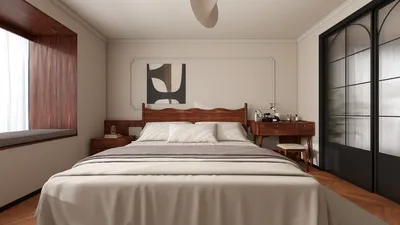


I have reimagined countless study rooms, and I often find that applying a fresh coat of paint is the quickest way to enhance clarity and focus. The right colors do more than just beautify a space; they influence behaviors, alleviate stress, and aid concentration during extended tasks. The most effective color combinations typically consist of calm neutral tones accentuated by carefully chosen highlights, adapted to your workspace's lighting conditions and the nature of your activities, whether it's focused reading, creative drawing, or participating in video conferences.
Research in color psychology consistently demonstrates tangible effects on emotional states and work efficiency. According to Verywell Mind, soothing colors like blue and green foster a sense of calmness and concentration, while overly bright reds can increase arousal and stress levels if used excessively. A study by Gensler indicates that spaces designed to enhance focus and relaxation can lead to improved performance and satisfaction among knowledge workers, with color and lighting being essential elements in this equation. Utilizing soft to medium-saturation cool color schemes can facilitate better concentration, while strategically placed warmer tones can invigorate collaborative areas or transitional spaces.
Lighting significantly influences paint selection. The Illuminating Engineering Society recommends 300–500 lux for typical desk activities, with even brighter lighting necessary for fine-detail tasks in low-contrast settings. When the illuminance falls below 300 lux, cool tones like gray and blue may appear washed out, whereas brightness above 500 lux can cause glare from stark whites. WELL v2 emphasizes the relationship between lighting quality and cognitive performance, advocating for glare reduction and a balanced color spectrum to minimize eye strain. In my design approach, I adjust paint colors based on the ambient light: brighter spaces benefit from softer whites and lower contrast, while dimmer environments may require warmer base tones and stronger accent colors to ensure visibility.
Concentration-Enhancing Color Palettes
To support focused work, I prefer using soft cool tones—such as gentle slate, misty blue, or subdued sage—paired with warm neutral accents on trimmings. These palettes minimize visual distractions and ensure that documents, screens, and work lights stand out. A classic combination might feature walls painted in a calming blue-gray, a ceiling in a slightly warmer off-white to avoid a stark, cold feel, and trim in a muted taupe with a low gloss. This subtle warmth in the ceiling contributes to a perception of height, making long work sessions feel less confining.
Accent Areas to Direct Focus
Instead of using bold colors on entire walls, I recommend defining narrow accent zones—such as behind a bookshelf, a vertical panel by your desk, or the rear wall of a reading nook. A dark forest green or charcoal panel positioned behind your computer screen can enhance contrast and reduce distractions. Aim to limit accent colors to 10-20% of your total wall area; this balance draws the eye without overwhelming it.
Infusing Warmth Without Disruption
Warm tones can boost energy levels and enhance social interaction, yet too much warmth can detract from focus. I incorporate warmth through controlled accents, like a terracotta stripe set at eye level along a shared wall, or a muted ochre panel near a whiteboard. These features act as visual prompts: signaling a transition from concentrated work to brainstorming sessions or meetings. Keep the saturation in check; matte finishes help avoid distracting shine that might feel overwhelming.
Ceilings, Trim, and Subtle Contrast
Ceilings should be lighter than walls by two to four shades to optimize daylight reflection without generating glare. Trim benefits from a semi-matte finish in a neutral tone that is slightly warmer than the walls; this slight contrast aids visual navigation within the space. If you work under LED lighting configured around 4000K, steer clear of glaring bluish whites for the trim as they tend to appear too cold and lead to eye fatigue.
Choosing Colors for Various Study Activities
- For analytical reading and writing: a soothing blue-gray for walls, an off-white ceiling, and a charcoal accent panel behind the monitor create a calming backdrop while maintaining legibility.
- For creative sketching and conceptual work: a soft green base complemented by a muted coral accent band encourages focus while energizing brief bursts of creativity.
- For video calls and preparation: a neutral mid-tone backdrop (like greige or mushroom) with subtle complementary accents enhances depth without camera distortion. Matte finishes help reduce shine and improve skin tone portrayal.
Adapting Color Schemes to Daylight Conditions
Rooms with north-facing light can appear cooler; choose warmer paint shades (like greige or warm whites) to counterbalance. South or west light enhances saturation, suggesting gentler cool tones (like misty blue or silver sage) to maintain equilibrium. The distance to a window is also crucial: near the window, restrict high-gloss finishes to minimize glare; further inside the room, slightly higher sheen can help reflect light back onto work surfaces.
Ergonomics and Visual Flow
Visual comfort is not only about furniture height but also involves aesthetic flow. Alternate solid colors with lighter bands at strategic sightlines— desk level, shelving areas, and the horizon when seated. This rhythm simplifies visual processing, making edges and storage locations easier to identify. If you're reconsidering furniture layout, a tool like the room layout tool can be invaluable for simulating sightlines and integrating colors within the space.
Sustainable Material Choices
Opt for low-VOC paints to safeguard indoor air quality, particularly in compact study areas. Pair cool wall colors with natural materials—such as ash, birch, and rattan—to add warmth, while grounding warmer color schemes with cooler metals like brushed aluminum. On the floors, a neutral wool rug helps absorb sound and introduces tactile comfort, ensuring an acoustically pleasant environment during work or calls.
Maximize Impact in Small Spaces
In smaller studies, utilizing continuous colors can minimize visual disruptions, making the area feel more expansive. Paint doors and built-ins the same color as the walls to create a seamless flow. If you seek to add depth, incorporate a darker vertical stripe or accent area to extend the perceived height. Keep ceilings light and avoid stark contrasts that may visually lower the ceiling.
Align Lighting Temperatures with Paint Choices
Adjust color temperatures to match your color palette: cool schemes work best with 4000-5000K lighting for clarity, while warm palettes flourish at 3000-3500K. If your lighting varies, choose neutral paints with balanced undertones (not overly yellow or blue) to ensure consistent hues throughout different lighting conditions during the day and at night.
Testing Paint Choices Before Finalizing
Apply paint samples on different walls and view them at various times around the day. Place color swatches near your desk, shelves, and the wall behind your monitor to evaluate how they look under task and ambient lighting. It's common for a seemingly 'perfect' sample to appear green during daylight hours and gray at night—rely on larger samples and natural light assessments rather than artificial showroom lighting for decision-making.
Achieving a conducive work environment relies on harmonizing lighting, color, and visual comfort. WELL v2 highlights the importance of glare management and adequate illumination for cognitive effectiveness, while IES recommendations suggest maintaining 300-500 lux for desk tasks. For deeper insights into how design correlates with performance, Gensler’s database is an excellent resource.
FAQs
Q1: Which paint colors best aid prolonged study sessions?
A: Soft cool tones—blue-gray, muted sage, and gentle slate—minimize distractions and help maintain focus. Keep saturation low and opt for matte or eggshell finishes to prevent glare.
Q2: What brightness level should my study achieve to complement my paint choices?
A: Aim for illumination between 300-500 lux at your desk for typical tasks, as advised by IES. Below 300 lux, opt for warmer neutrals; above 500 lux, avoid stark whites to discourage glare.
Q3: Can accent walls be distracting?
A: Entire walls painted in high-saturation hues can be overwhelming. Instead, use narrow accent areas (10-20% of the wall space) in deeper, matte shades to guide focus without distraction.
Q4: What color is ideal for video conferencing?
A: Mid-tone neutrals, such as greige or mushroom, create a calming backdrop, minimizing visual noise and flattering skin tones on camera. Avoid bright whites and glossy finishes in your background.
Q5: How should I approach the challenges of north-facing light?
A: Rooms with north light appear more subdued. Compensate with warmer paint choices—like warm whites, greige, or soft beige—and keep trim a half-step warmer to achieve a cohesive appearance.
Q6: Do warm colors stimulate creativity?
A: Certainly, when used thoughtfully. Muted terracotta or ochre accents can invigorate brief sessions of brainstorming. Pair them with cooler bases to maintain a focus on tasks.
Q7: What finish is preferable for a study area?
A: Opt for matte or eggshell finishes for walls to manage glare, while semi-matte is suitable for trim to enhance subtle contrast and durability. High gloss is typically unnecessary and can be distracting.
Q8: How do I select colors for a compact study?
A: Embrace continuous colors to minimize interruptions in visual flow. Paint built-ins and doors the same hue as the walls, keep ceilings light, and consider introducing a darker vertical stripe if you want to create a sense of height.
Q9: Should I adapt my paint selection if using 5000K LEDs?
A: With cooler 5000K lighting, choose paints with neutral or slightly warm undertones to avoid making the space feel sterile. Always test samples under your actual lighting before finalizing your choices.
Q10: Are low-VOC paint options a worthwhile investment?
A: Definitely. Low-VOC paints enhance indoor air quality and minimize unpleasant odors, which is especially crucial for smaller rooms where you may spend significant time.
Q11: What can be done to enhance acoustic comfort in a painted study?
A: While paint doesn't absorb sound, pairing your color choices with soft materials—like wool rugs, fabric wall panels, and curtains—can help mitigate distractions caused by typing or calls.
Q12: How do I align my paint choices with the tones of my furniture?
A: Cool paint shades complement light wood and brushed metals, while warm hues are better suited to walnut, oak, and brass. Ensure undertones are harmonious so surfaces remain coordinated in various lighting conditions.
Discover your dream home with Homestyler! This user-friendly online design platform offers an amazing design tool, stunning 3D renderings, and a wealth of DIY video tutorials. Easily create and visualize your interior projects, turning your design ideas into reality—no experience necessary!
Diseño ahora GRATIS
































