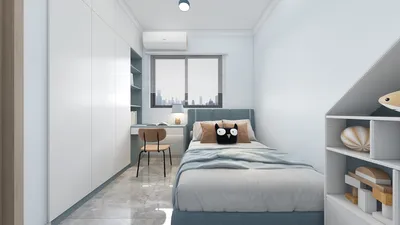


I once crafted a compact studio layout for a client who was adamant that their space heater must harmonize with the lamp — prioritizing style over efficiency. During the discussions over design finishes, we uncovered a crucial insight: a limited area can transform a small heater into an unexpectedly costly habit. To visualize my design concept for the heater zone, a quick mockup allowed the client to understand how creating zones could halve heating hours (visualize my room).
Small spaces foster immense creativity, and in this article, I will merge straightforward calculations regarding electricity consumption with five practical design tips that I’ve implemented in real projects to maintain warmth without incurring high bills. Anticipate genuine examples, uncomplicated kWh calculations, and room-specific advice.
1. Understand the wattage: what these figures truly signify
Most compact space heaters typically range from 500W to 1500W in power rating. This rating indicates the energy consumption — for instance, a 1500W heater uses 1.5 kilowatts during operation. In simpler terms, if you run a 1500W heater for 3 hours, it will consume 1.5 kW × 3 h = 4.5 kWh.
At an electricity cost of $0.15 per kWh, that translates to around $0.68 for those 3 hours; if used for 8 hours, it will amount to approximately 12 kWh (~$1.80). The benefit here is the simplicity of the math, but on the flip side, lengthy usage can quickly escalate costs if the duty cycle isn’t monitored.
2. Select the appropriate heater type based on usage — efficiency versus heat retention
Ceramic and fan heaters provide quick heating but stop when turned off; on the other hand, oil-filled radiators utilize longer heating periods but continue to radiate warmth even after being switched off. For brief heating sessions in a bathroom or workspace, I typically choose a 750–1000W ceramic option; however, for overnight or extended mild warmth, an oil-filled heater at a lower wattage often proves to be more cost-effective.
The trade-off is clear: higher-watt heaters warm up more rapidly (ideal for quick comfort), but they consume more power hourly. It’s essential to align the type of heater with how you actually utilize the space.
3. Create zones like an expert — heat only the parts in use
By devising a simple zone plan — including sleeping space, workspace, and entryway — I saved a client hundreds of dollars by minimizing the heated area. Rather than heating the entire studio, we implemented targeted heating and placed a thick rug beneath the desk to retain warmth where it was needed. If you’re curious about testing various zones, try sketching a floor plan as a quick experiment (draw a floor plan).
Zone heating lowers run time, which is the primary way to decrease overall kWh consumption. There’s a small challenge: creating zones requires an intentional layout and may sometimes need a second low-watt heater for balance.
4. Intelligent controls and timers can eliminate wasted hours
Using a programmable thermostat or smart plug to schedule the heater can significantly reduce daily run times — ensuring heating only occurs when you're awake or nearing home. I frequently suggest a smart plug for clients who work outside; setting the heater to operate 20–30 minutes before arriving can prevent hours of wasted heating.
A minor drawback: some older heaters may be incompatible with inexpensive smart plugs, so it’s wise to verify compatibility. Overall, improved control translates to fewer kWh consumed.
5. Design adjustments that save energy — insulation, fabrics, and layout
I have a fondness for cozy fabrics as they offer an economical method to trap heat: thick curtains, carpets, draft stoppers, and even rearranging furniture to keep seating away from chilly walls. For example, a minor renovation I executed — incorporating weatherstripping and a thermal curtain — decreased heater run time by approximately 30% during winter.
If you want to develop a kitchen layout that minimizes heat loss near outside walls, even small changes in design can greatly impact energy efficiency (plan a kitchen layout). Some solutions may need a small initial investment, yet they pay off in both comfort and reduced expenses.
FAQ
Q1: How many kWh does a small space heater consume hourly?
A1: Calculate the heater’s wattage by the number of hours it is used and then divide by 1000. A 1000W heater uses 1 kW, so operating for one hour results in 1 kWh. It’s straightforward and repeatable.
Q2: Is a 1500W heater costly to run?
A2: This depends on the duration of use and your electricity pricing. At $0.15/kWh, using it for an hour costs roughly $0.225; extended daily usage may prove more expensive compared to central heating.
Q3: Do oil-filled heaters consume less electricity?
A3: They frequently operate at lower duty cycles since they retain heat efficiently, making them generally use less power for steady, long-duration warmth. Although they heat up slower, they can feel more efficient for overnight use.
Q4: Can a timer help lower costs?
A4: Absolutely — timers help minimize wasted heating hours. Only warming the room when necessary is the most efficient method to lower kWh usage while maintaining comfort.
Q5: How does insulation impact heater electricity consumption?
A5: Proper insulation decreases heat loss, leading to less frequent heater operation. Implementing weatherstripping, thermal curtains, and rugs are budget-friendly strategies that can noticeably shorten run time.
Q6: Is it more economical to use a small heater rather than central heating?
A6: When heating a single occupied room, a space heater is typically more cost-effective. However, for complete home heating, central systems are usually more efficient. The key lies in targeted heating based on occupancy.
Q7: Are space heaters safe for long-term use?
A7: They can be safe if you adhere to guidelines: maintain proper clearances, avoid using extension cords, select models with safety features like tip-over and overheat protection, and refrain from leaving them on unattended for lengthy periods.
Q8: Where can I find reputable information regarding heater efficiency?
A8: For credible and scientifically-supported guidance, consult the U.S. Department of Energy (https://www.energy.gov), which outlines electric heater efficiency and offers tips on reducing energy consumption.
Homestyler is your go-to online home design platform, perfect for bringing your creative visions to life. With its user-friendly design tool, stunning 3D renderings, and a wealth of DIY video tutorials, you can effortlessly explore design projects and transform your space like a pro!
Zaprojektuj teraz za darmo
































