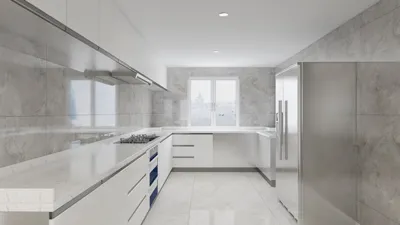


As we look to the future, our lifestyles are evolving towards more efficient living, reducing our environmental footprint while enhancing time management, wellness, and energy usage. The current frustrations associated with small homes serve as reminders of this transition. A recent report from the NAHB highlights a growing interest in smaller, well-optimized homes, where buyers prefer performance over mere square footage. Consequently, tiny cabin floor plans have emerged as a concept for living more sustainably. The future is closer than it appears, and I have been mapping out designs that embrace a compact, spatial syntax.
North-South Spine with Thermal Buffer
Design Logic: A singular north-south corridor strategically places heat-generating areas to the south and sleeping quarters to the north. Given the anticipated fluctuations in climate, this passive strategy is essential for minimizing energy consumption.
Flow: The sequence from entry to mud niche, then to the galley core, hearth bench, and finally the sleep pod creates a streamlined pathway that eliminates cross-traffic and prevents wet-to-dry collisions.
Sightlines: Upon entering, a narrowing corridor showcases layered views of the window, stove, and tree line—creating a transition from functional to tranquil environments.
Storage: Utilizing an overhead soffit for caching, toe-kick drawers, and a vertical pantry, the design features tiered memory storage that allows for quick access near tasks while accommodating larger items in dedicated areas.
Furniture Fit: Incorporating a 24" deep bench, a 30" cooking zone, and an 80" bed niche sets realistic parameters for human use and seasonal adaptations.
Verdict: Five years from now, this design will maintain its energy efficiency while fostering social interactions at its heart—balancing low energy consumption with high functionality.
save pin
Diagonal Sight Cone Studio
Design Logic: In small footprints, using diagonal lines creates an illusion of greater depth, allowing future cabins to function like wide-angle lenses rather than confined spaces.
Flow: The pathway from the corner entry to a 45° kitchen wedge, followed by a fold-down table, lounge mat, and terrace provides an efficient, flow-oriented experience that prioritizes movement.
Sightlines: A single diagonal axis from the cooktop to the large glass windows establishes a hierarchy of tasks—foreground activities contrasted with serene natural backdrops.
Storage: The use of a corner tower, ceiling nets, and bed-rail caddies efficiently distributes storage, minimizing the time spent finding items.
Furniture Fit: Featuring a triangular table with a 30" edge, a 60" sofa mat, and an 18" deep wall rail, this design precision aligns with folding and sliding routines.
Verdict: The diagonal design maintains clarity within the studio space even as the number of devices increases—ensuring it remains user-friendly without excess bulk.
save pin
Lofted Sleep with Wet-Core Island
Design Logic: This approach centralizes plumbing and electrical systems within a wet-core block, elevating sleeping areas to free up the ground level—important as utility systems become decentralized.
Flow: The layout leads from the porch to the core edge, cooking area, then up the ladder to the loft and into a desk alcove—it functions like a continuous main thread that avoids blockages.
Sightlines: The view below the loft may feel compressed, but ascending the stairs unveils a vista towards the ridge window, adapting information density to manage energy use.
Storage: Closets along the core wall, stair drawers, and loft guard-rail shelves create a storage network that encompasses and enhances the central area.
Furniture Fit: The design includes a 32" wide core aisle, 36" cooking clearance, and 84" loft length—modern APIs designed for sleeping, prep work, and quick movements.
Verdict: As off-grid solutions gain traction, the core-as-appliance concept alongside a peaceful loft becomes the foundation for durable living—ensuring serviceability, adaptability, and tranquility.
save pin
Final Takeaway
Tiny cabin floor plans do not equate to sacrifices in quality; rather, they represent a refined interface for managing attention, energy, and daily rituals. With compact cabin designs and micro-home layouts, the key victory lies in efficient flow management, optimized storage, and precise furniture layouts. Moving forward, the most resilient homes will mirror clean code—small, understandable, and ready for upgrades. From my perspective, tomorrow’s most intelligent homes will not be grander in size, but rather more intentional in their design, seamlessly integrating tools like Homestyler to visualize these concepts.
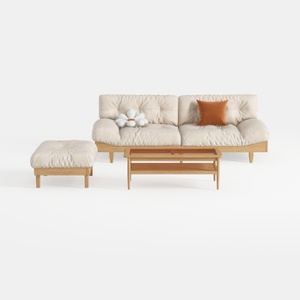
Sofa with Golden Legs, Detachable Cushions, with

Minimalista Vintage Bed Sofa Wood Legs Stretch Arm
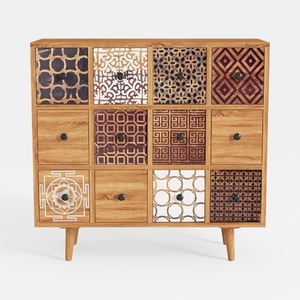
Best Choice Products 9-Cube Storage Organizer
Discover the creative potential of Homestyler, the ultimate online home design platform! With its user-friendly design tool, stunning 3D renderings, and an abundance of design projects and DIY video tutorials, transforming your space has never been easier. Start your design journey today!
立即免费设计
































