

Determining the correct lift room dimensions is crucial for ensuring safety, adherence to regulations, and long-lasting functionality. Throughout my experience planning elevator cores for residences, duplexes, and office buildings, I've observed that even minor adjustments can significantly affect accessibility and mechanical operability. In addition to the shaft, it's vital to ensure that the machine room (or the control area for machine-room-less designs) and the landing zones maintain clear spaces that facilitate maintenance and smooth transitions.
Design choices should be informed by both human-centric factors and operational statistics. The WELL v2 guidelines stress the importance of accessible vertical circulation and rest points for people with mobility issues, which directly influences the dimensions of landing areas and entry widths (v2.wellcertified.com). According to research by Steelcase, minimizing friction in daily movement enhances the overall user experience and productivity—navigating vertical spaces should feel straightforward rather than obstructed (steelcase.com/research). Such findings are directly applicable to the dimensions of lift lobbies, door sizes, and queue management.
Lighting plays a crucial role in both safety and comfort within lift areas. The Illuminating Engineering Society suggests maintaining lighting levels of about 100–200 lux in corridors and lobby areas, with increased contrast around door thresholds to reduce trip hazards (ies.org/standards). Studies on color psychology indicate that using neutral, low-chroma shades in elevator lobbies can lessen stress and diminish the feeling of overcrowding while aiding in navigation; gentle blues and greens foster tranquility, whereas vibrant reds may elevate excitement (verywellmind.com/color-psychology). The right balance of lighting and intuitive decor significantly assists users in confidently navigating the vertical core.
Lift Types and Standard Car Sizes
Selecting the appropriate type of lift influences its footprint. For residential and low-rise environments, home lifts and platform lifts typically accommodate 2-4 passengers, emphasizing accessibility. In mid to high-rise commercial settings, a range of lifts such as passenger lifts, service lifts, and those for stretchers necessitate larger car sizes and broader door openings.
• Standard car interior dimensions range from approximately 900–1100 mm in width by 1200–1400 mm in depth, suitable for 2-3 individuals.
• The typical door width is about 800–900 mm to facilitate wheelchair access.
• For shaft (hoistway) clearance, a tolerance of 150–250 mm beyond the car size on each side should be considered, in addition to the pit and overhead clearances as specified by the manufacturer.
• While many contemporary models operate without a dedicated machine room (MRL), they still require a space for control panels and overhead clearance above the shaft. Make sure to consult the specifications for pit and overhead dimensions.
• Platform dimensions are usually 900–1000 mm wide by 1400 mm deep to accommodate a wheelchair along with an attendant.
• Typical travel height ranges from 3 to 4 meters, with minimal adjustments required for pits (or ramps).
• Common landing area clearances should allow for a turning circle with a diameter of 1500 mm to meet accessibility standards in numerous locations.
• A small passenger car generally has dimensions of around 1100–1400 mm wide by 1400–1600 mm deep.
• A medium passenger car typically measures around 1600–1800 mm wide by 1400–1600 mm deep.
• Higher throughput and stretcher compatibility often require door widths of about 900–1000 mm.
• For the hoistway, ensure structural tolerances and guide rail spaces per vendor specifications; overhead dimensions vary widely based on speed and lift capacity.
• Larger passenger cars may range from 2000–2500 mm wide by 2000–3000 mm deep, depending on the load requirements and pallet sizes.
• The dimensions of door width and height should accommodate carts and large equipment; as a result, they are typically wider and taller than standard passenger doors.
• Specify robust floor loading with protective finishes and edge treatments to enhance durability.
Machine Room vs. MRL: Implications for Space Planning
Traditional traction elevators require a dedicated machine room positioned above or alongside the hoistway, whereas MRL systems house machinery within the elevator shaft itself. Even with MRL, it remains essential to provide safe technician access, control panels, and clearances that comply with building codes.
• For a traction machine room, allocate a minimum of 6–10 m² for small passenger lifts, with larger spaces needed for high-capacity lifts; ensure sufficient headroom for equipment, safe exit paths, and fire-rated partitions as necessary.
• MRL systems require a secured access area for control panels at the top landing or an adjacent corridor, along with ladders and working platforms inside the shaft according to the manufacturer's specifications.
Landing Areas, Clearances, and Lobby Dimensions
The design of landing areas greatly influences user experience and efficient traffic flow. A lift that fits well but causes bottlenecks at the entrance will not function effectively.
• It's ideal to maintain a clear corridor width of at least 1200 mm in front of lift doors, which should increase to 1500 mm or more in areas where queues may form.
• Ensure a turning circle with a diameter of 1500 mm in front of the doors to facilitate wheelchair maneuvering.
• Maintain a side clearance of 300–600 mm from walls to doors to prevent pinch points.
• For lift lobbies, a depth of 1800–2400 mm is typical for passenger lifts, with more space for busy commercial floors to allow for two-way traffic.
• Signage and control panels should be mounted at accessible heights, with a 600 mm side reach clearance allowed for ease of use.
When exploring various lobby configurations, employing a room layout tool can help visualize door openings, queue arrangements, and furniture positioning effectively, making it a valuable design aid.
Lighting, Acoustics, and Comfort in Elevator Zones
It's essential to maintain appropriate lighting levels around lift entrances to avoid glare while ensuring clear visibility at thresholds. I recommend achieving ambient lighting of 150–200 lux, with focused accents of 300–500 lux near directory boards, utilizing a neutral-white color temperature of 3000–3500K. Avoid downlights that may create sharp reflections on stainless steel surfaces; instead, opt for diffused fixtures and utilize vertical illumination on the walls to enhance spatial perception.
Acoustically, it's important to limit hard parallel surfaces that can amplify noise from conversations and mechanical operations. Incorporate absorbing ceiling panels or fabric-covered wall sections in lobbies, and ensure that equipment is isolated from vibrations in machine rooms. Soft flooring options—such as rubber or high-density carpet tiles—improve sound absorption and mitigate slip risks.
Understanding Human Factors and Optimizing Flow
Elevator traffic tends to peak during shift changes and lunch hours in office environments. It's essential to consider natural queuing patterns, multiple call points, and visibility to stairs to alleviate congestion. Behavioral design principles indicate that users prefer predictable waiting times; destination dispatch systems can enhance efficiency by assigning lifts strategically, thereby reducing crowding. Providing seating options such as benches or leaning rails for those requiring rest can support WELL’s principles for mobility assistance, emphasizing a thoughtful approach to design.
Material Choices and Longevity
In lift cars, prioritize the use of abrasion-resistant panels, corner guards, and stainless-steel kick plates. In lobbies, select impact-resistant materials near door frames. Non-slip floor coverings with clear edge markings enhance safety. Opt for sustainable materials such as recycled metal panels, low-VOC finishes, and modular flooring types to simplify maintenance and lower lifecycle costs.
Comparing Residential and Commercial Needs
Residential designs often focus on compact dimensions and quieter operation, frequently opting for machine-room-less (MRL) systems for simplicity. In contrast, commercial spaces tend to prioritize capacity, speed, and coordination for evacuation procedures (including features for fire services). In buildings with mixed uses, it is advisable to separate passenger lifts from service lifts to enhance logistics while maintaining efficiency in back-of-house operations.
Interdisciplinary Coordination: Structure, MEP, and Regulations
Initiating early discussions with structural engineers ensures that pit depths, overhead spaces, and load paths align with the specifications provided by the elevator vendor. The routing for mechanical and electrical systems must accommodate ventilation for machine rooms, dedicated power sources, and emergency systems. Compliance with fire-rated requirements, smoke control, and staged power supply protocols are typically mandated; as specific value preferences may differ by jurisdiction, it is vital to validate with local codes and the manufacturers' guidelines.
Planning Essentials: Dimensions and Clearances
• Confirm the size of car interiors, door widths, and weight limits based on their intended use.
• Verify pit depth and overhead space with the elevator manufacturer and the structural engineer.
• Establish machine room dimensions or MRL control area layouts along with safe access routes.
• Design lobby dimensions to accommodate maximum user flow and accessibility (1200–1500+ mm approaches).
• Set the ambient lighting level at 150–200 lux, maintaining a color temperature of 3000–3500K.
• Incorporate acoustic dampening and vibration isolation solutions wherever necessary.
• Select durable, low-VOC materials with protective edging to enhance safety and longevity.
• Coordinate power sources, fire service features, and compliance with local building regulations.
Frequently Asked Questions
For compact interiors, standard dimensions are typically around 900–1100 mm wide by 1200–1400 mm deep, with an 800–900 mm door opening suitable for wheelchair access. It's crucial to always verify with the lift vendor and local accessibility standards.
While MRL systems do not require a traditional machine room, you still need adequate space for control panels, safe access within the shaft, and overhead clearance. Planning should encompass technician work areas according to the manufacturer’s specifications.
For areas with moderate traffic, a depth of 1800–2400 mm with approach widths of 1200–1500 mm works effectively. It may be necessary to increase the space further during peak times or with multiple lifts to facilitate queuing without obstructing corridors.
Aim for ambient lighting of 150–200 lux utilizing a neutral-white color temperature of 3000–3500K. Employ diffused fixtures to prevent glare on metal surfaces and provide vertical illumination on the walls to aid in depth perception.
Door widths should generally measure around 1000 mm, and car depths should be at least 2000 mm or more, based on local healthcare access standards. It's advisable to confirm specifications with emergency services and relevant building codes.
Platform lifts are suitable for shorter travel distances (usually 3–4 m) and accessibility needs. However, for serving multiple floors or providing high-speed travel, a conventional passenger lift with corresponding hoistway dimensions is recommended.
Incorporate sound-absorbing ceiling panels, fabric-wrapped wall sections, and non-slip flooring to lessen foot traffic noise and vibrations. Adequately isolate mechanical vibrations in machine rooms and choose quiet drive systems for optimal comfort.
These systems reduce clustering by efficiently scheduling cars, which can lead to decreased queue sizes during peak times. It remains important to maintain ample approach widths and clear visibility to organize groups effectively.
Utilize high-durability stainless steel panels, protective corner guards, impact-resistant wall coverings, and resilient flooring materials. Consider using sustainable options like recycled-content materials to enhance eco-friendliness.
Absolutely. A room design visualization tool is invaluable for simulating door placements, queue arrangements, and furniture layouts effectively, contributing to a more cohesive design process.
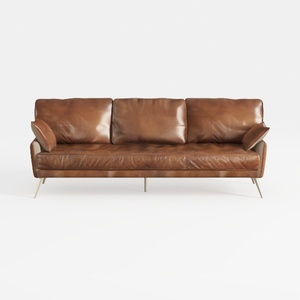
ovios Luxury 3 Seater Sofa with Faux Leather,Mid
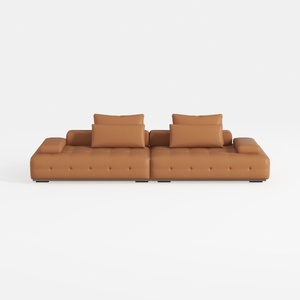

Valencia Nathan Nappa Leather Couch - 4 Seats with

47.2'' Dining Table Set for 4,Modern Wood Dining
Homestyler is your go-to platform for home design! With its user-friendly online design tool, stunning 3D renderings, and a wealth of design projects and DIY video tutorials, you can effortlessly create and visualize your dream space. Start designing today!
Concevez maintenant gratuitement
































