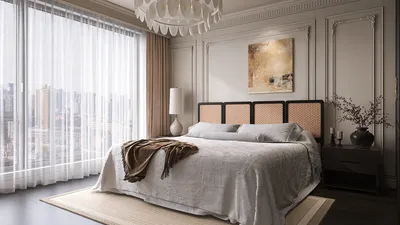


With over ten years of experience in planning and designing event spaces, I've identified a key characteristic of exceptional banquet halls: they create an effortless experience for guests while being meticulously organized behind the scenes. For venues like the Vasundhara Banquet Hall, establishing a comprehensive blueprint that harmonizes capacity, comfort, circulation, and technical performance is essential. Utilizing tools like Homestyler can streamline this planning process.
Every decision should be anchored in the guest experience. Research shows that the environment significantly influences behavior and satisfaction levels. According to studies by Gensler, the quality of space and choice directly affects both performance and overall perception of experiences. WELL v2 underscores the importance of acoustic comfort and quality lighting as fundamental prerequisites for occupant well-being, emphasizing standards related to glare, illumination, and background noise. Furthermore, insights from Steelcase indicate that flexible settings lead to heightened engagement, especially in event contexts where distinct zones such as reception, dining, and lounge require unique identities and controls.
The importance of lighting levels cannot be overstated. The Illuminating Engineering Society (IES) recommends ambient lighting levels between 100–300 lux for hospitality settings, with accent lighting being used to enhance focal points. WELL v2 advises against discomfort glare and promotes tunable white lighting strategies that align with circadian rhythms during extended events. For example, transitioning lighting from a warm hue (2700–3000K) to a neutral tone (3500–4000K) can subtly signal energy shifts when the event moves from dining to dancing, without overwhelming attendees.
Effective capacity planning involves understanding seating arrangements, table types, and service pathways. For instance, round tables that measure 60 to 72 inches should have a space allocation of 10–14 square feet per guest, including aisles; for high-service events featuring plated courses, an additional 20–30% should be accounted for. Dance floors typically require 2–5 square feet per guest, adjusting according to music intensity and demographic. Additionally, buffets should have 8–10 feet of linear space per 100 guests to ensure smooth traffic flow. It's vital to maintain 5–6 foot primary aisles for processions and emergency exit routes.
When planning circulation, zoning, and flexibility, I categorize spaces into three concentric rings: a tranquil arrival area with coat check, lively dining and toasting zones, and energetic performance or dance areas. Transitional pockets—such as bar islands, photo zones, and dessert areas—can help mitigate congestion. Exploring alternative layouts can be accomplished effectively with an interior layout planner, allowing for the simulation of seating arrangements and sightlines using a room layout tool like Homestyler. This pre-emptive strategy can prevent issues from arising after vendor commitments are made.
A comprehensive lighting strategy is essential for creating layered atmospheres. This includes a combination of ambient (like dimmed chandeliers or coves), task (for catering and staging), and accent lighting (to highlight centerpieces and floral displays). IES guidelines assist in establishing baseline illuminance, while WELL v2 provides frameworks for glare control and flicker limits. Maintain a Color Rendering Index (CRI) of 90 or higher to ensure skin tones photograph well; using DMX or DALI control systems allows for elegant lighting transitions. While candlelight adds warmth, it's crucial to comply with ventilation and fire codes, thus flameless LEDs mimicking 2700K serve as reliable substitutes.
For valuable insights into planning standards and research, I recommend bookmarking resources like IES standards.
The significance of acoustic comfort and clear speech cannot be underestimated in event settings. Aim for reverberation times between 0.8 and 1.2 seconds during banquets to create a lively yet clear auditory environment. Layering soft finishes, such as carpet tiles with underlay, upholstered panels, and drapery containing high Noise Reduction Coefficient (NRC) fabrics around reflective surfaces, can significantly enhance sound quality. Avoid placing subwoofers in corners to prevent excessive bass that can muddy sound clarity. WELL v2’s acoustic guidelines encourage management of background noise levels, with a target of 55–65 dBA during dining, gradually increasing for dance segments while ensuring staff safely operate within sound exposure limits.
Color psychology plays a vital role in setting expectations. Warm neutrals can encourage a welcoming dining environment, while saturated tones in lounge areas foster intimacy. Findings from Verywell Mind indicate that warm colors promote an inviting atmosphere, whereas blues and greens offer calming effects—optimal for pre-function or quiet recovery spaces. Material choices should balance ease of cleaning with tactile appeal: consider using stain-resistant performance fabrics and matte wood finishes to reduce glare, alongside low-VOC materials to maintain high air quality. For a sustainable approach, prioritize durable, easily repairable surfaces and modular systems that can adapt to various event types.
Human factors and ergonomic considerations are integral to guest comfort, which affects how long they stay at an event. Chairs should have a seat height of 17–18 inches with supportive backs to minimize discomfort; ensure that table edges are chamfered to prevent pressure points on forearms. Allow for at least 18 inches of elbow space between chairs, and increase this to 24 inches for luxury dining experiences. Buffet counters should be around 36 inches high for easy access, while bar counters at 42 inches with foot rails promote an optimal posture. Additionally, always ensure ADA-compliant routes (with a minimum width of 36 inches) and arrange seating in prime sightlines for improved accessibility.
Efficiency behind the scenes is crucial for optimal guest experiences. Separate bustling dish-drop areas from plating zones and create two-way service lanes with a clearance of 4–5 feet. Pre-function preparations should include accessible plug-in points for warmers, a dedicated mop sink, and careful trash segregation to avoid cross-traffic. Consider marking wayfinding paths discreetly for staff with floor tape or low-level LED lighting.
When planning stages, AV setups, and sightlines, elevate platforms by 18–24 inches for medium-sized spaces, while larger venues may require a height of 24–36 inches, complemented by ramps for accessibility. Ensure that projector distances are clear of hanging decorations and utilize black drapes to conceal cables. Distributing speaker placements evenly will help avoid hot spots near tables. It's also wise to provide power and data outlets around the perimeter for flexible DJ or band setups, and to test sightlines from diverse seating heights to finalize arrangements efficiently.
Placement of essential facilities like restrooms should be considered carefully—situating them within a 90 to 120 foot walking distance helps reduce guest abandonment during programming. Coat check areas must be visible yet discreet from main photo angles; ensure that there is sufficient rod space (3–4 inches) per coat and implement a tagging claim system. Furthermore, adding micro-comforts such as charging stations near lounge seating, stroller parking, and quiet areas for nursing or recovery can greatly enhance guest satisfaction.
When it comes to food service models, plated dinners provide a sense of formality but necessitate extra aisle space and staging. Buffets offer a broader selection but require careful queue management with dual-sided service approaches. Family-style dining fosters a friendly atmosphere; ensure that table diameters are sufficient for platters without crowding glassware. Additionally, align menu items with lighting choices—warmer tones can enhance the presentation of food offerings.
It's critical to adhere to safety standards, codes, and operational guidelines. Confirm occupancy caps according to local regulations, ensuring exits are clear and indications are well-lit. Fire suppression systems should be strategically placed so as not to be obstructed by decorative elements like fabric swags or balloons. Implement cable ramps to comply with ADA regulations and prevent accidents. Train staff on the dimming and AV systems to prevent abrupt lighting changes which can disorient event attendees.
Looking ahead to 2024–2025, hybrid-capable event spaces are increasingly essential. This includes the incorporation of embedded cameras, acoustic treatments, and stage lighting that performs well on video. Integrating biophilic elements—such as natural foliage, textures, and light modulation—improves mood and reduces anxiety levels. Additionally, adaptable furniture systems equipped with interchangeable linens and modular staging can enable venues to fluidly transition between corporate, social, and cultural events.
Several layout scenarios can be effectively adapted for various events:
- For a wedding reception hosting 250 guests: arrange 25 round tables for 10, design a 24x24-foot dance floor, and position two bar islands beside the lounge, centering a sweetheart table to optimize sightlines for toasts.
- For a corporate gala accommodating 300 guests: utilize banquette seating along the walls to allow for unobstructed central pathways, with a stage at one end and a buffet set up in a perimeter horseshoe shape to alleviate line congestion.
- For a cultural event featuring performances: set up semi-raked seating with platforms, acoustic drapery behind the stage area, and manage lighting zones to spotlight ceremony moments.
To swiftly explore these layout options, consider utilizing an interior layout planner with a room design visualization tool such as Homestyler.
Vendor coordination and timeline management are crucial elements. Lock in AV and lighting suppliers early to ensure compatibility with power needs and rigging placements. Florists will benefit from having pre-measured dimensions for centerpieces, while caterers require comprehensive route maps and staging capabilities. Develop a detailed show flow that includes timestamps for door openings, speeches, dinner, cake cutting, and dancing, along with specific lighting cues for each segment.
When budgets are constrained, prioritize investments in acoustics and adaptable lighting options, as they greatly enhance guest comfort and event flexibility. Following that, allocating funds towards ergonomic seating is key. Decorative elements can be more easily adjusted or added later, avoiding the need to overhaul foundational infrastructure.
Frequently Asked Questions:
Allocate approximately 10–14 square feet per guest, inclusive of aisles, and reserve an additional 20–30% for high-service plated dinner settings.
Implement ambient lighting levels of 100–300 lux per IES recommendations, with accent lighting positioned higher for emphasis on focal points. For dining, utilize warmer tones (2700–3000K); shift to a neutral spectrum (3500–4000K) during more energetic segments.
Target reverberation times between 0.8 and 1.2 seconds; consider adding upholstered panels or drapery, and evenly distribute speakers to avoid hotspots that can disrupt clarity.
Plan for 2–5 square feet per guest based on anticipated engagement; a 24x24-foot dance floor is a standard starting point for most events.
Select chairs with a seat height between 17–18 inches, ensuring supportive backs and 18–24 inches of elbow space between chairs to enhance comfort.
Ensure 8–10 feet of linear buffet space for every 100 guests, and utilize dual-service lines while separating plate pickup from carving stations for efficiency.
Yes, tunable white lighting systems comply with WELL v2 guidelines, facilitating smooth transitions from the warm ambiance of dinner to vibrant neutral tones for upswing energy during the event.
Prototype seating arrangements, aisle spacing, and service routes using a layout simulation tool to visualize guest flow and experiment with various alternatives prior to locking-in vendor agreements.
Incorporate fixed camera installations, well-balanced stage lighting that enhances on-camera visuals, and acoustic treatments to mitigate echo during streams.
Select materials like stain-resistant performance fabrics, matte wood finishes to reduce glare, and low-VOC finishes to ensure improved air quality within the event space.
Position bar islands in transitional areas to help disperse crowds while maintaining clear paths of at least 6 feet to restrooms and lounge seating for guest convenience.
Ensure compliance with safety measures such as cable ramps, maintaining sprinkler coverage above decor, ADA-compliant routes, and training staff on AV transitions to manage event safety effectively.
Built on technology originally developed at Autodesk, Homestyler empowers anyone to design beautiful, realistic spaces in minutes. Join over 18 million users who have already discovered a smarter way to plan, visualize, and bring their dream homes to life — all from the comfort of a browser.

Minimalist Tan Leather L-Shaped Sectional Sofa 3D Model
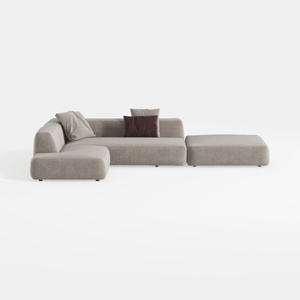
Minimalist Fabric L Shaped Sectional Sofa with Ottoman 3D Model
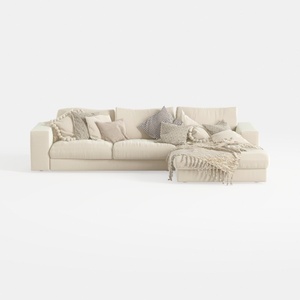
Minimalist Beige Fabric L Shaped Sectional Sofa with Throw Pillows 3D Model
Discover Homestyler, your go-to online platform for transforming home design ideas into reality. With its user-friendly design tool, stunning 3D renderings, creative design projects, and helpful video tutorials, you can effortlessly create and visualize your dream space—perfect for both beginners and seasoned designers!
Concevez maintenant gratuitement
































