


I have always appreciated how a carefully selected color palette can significantly enhance a space. When applied thoughtfully, the combination of white and gold offers a subtle yet luxurious appearance that feels understated rather than overwhelming. Achieving balance among light, proportion, and tactile contrast is essential, resulting in a serene ambiance that feels rich without veering into the realm of excess.
Light serves as the cornerstone of a well-designed space. The Illuminating Engineering Society (IES) suggests that typical ambient lighting for living areas should fall within the range of 100 to 300 lux, with specific task areas increasing to 300 to 500 lux depending on their function. This foundational illumination ensures that white finishes appear crisp rather than harsh while allowing gold accents to shine softly, avoiding any glare (as detailed in the IES Lighting Handbook). Research in color psychology supports this pairing, noting that white evokes a sense of clarity and spaciousness while gold introduces warmth and elegance when used judiciously (source: Verywell Mind). For homes prioritizing wellness, the WELL v2 guidelines emphasize glare control and the importance of high-quality color rendering, advocating for layered, dimmable lighting instead of a singular bright source (source: v2.wellcertified.com).
Establish the Color Base with Subtle Whites
While a pure gallery white can be striking, homes usually benefit more from warmer off-whites (with a Light Reflectance Value of 80–90) that soften glare and enhance skin tones. I often recommend a warm white for walls, a sharper white for trim and ceilings to create the illusion of height, and a slightly creamy white for upholstery to conceal everyday wear. This slight variation adds depth to the room in both natural and artificial lighting.
Allow Gold Accents to Shine—With Restraint
Gold is most effective as a subtle highlight. You can think of it as punctuation within the space: whether it be sleek brass hardware, a slender picture frame, or a sculptural light fixture, its presence should be sparse and intentional. I recommend maintaining a ratio of approximately 70% whites and soft neutrals, 25% wood or stone materials, and only 5% golden accents. This small indulgence signals luxury without overwhelming the aesthetics.
Manage Brightness, Not Solely Bright Elements
Highly reflective whites can lead to stark luminance differences if the light is overly direct. It is advisable to shield task lighting, employ dimmers across all lighting layers, and integrate diffused shades on pendant lights. Keep the average ambient brightness around 150 to 200 lux in living and bedroom spaces, complementing it with floor lamps and cove lighting where appropriate. This strategy allows polished brass to radiate a warm glow instead of an overpowering shine.
Select the Appropriate Gold Tone for Your Space's Style
Not all gold finishes produce the same visual impact. Brushed brass offers a relaxed and modern vibe, while polished brass conveys a more formal aesthetic; satin or lightly antiqued finishes can blend both timeless and contemporary styles. For modern apartments, I usually lean towards brushed or satin finishes, while in traditional settings, a hint of polished brass—like on a mirror frame—adds an element of sophistication without creating excess.
Integrate Materials for a Textural Experience
White and gold harmonize beautifully when various textures are incorporated. Consider pairing honed white marble with delicate veining, ivory bouclé fabric, uncoated oak furniture, and a ribbed plaster lamp. Introducing one glossy element (such as a lacquered tray or polished stone) to reflect gold can create harmony when balanced against two matte surfaces, avoiding a sterile showroom effect and enhancing acoustic comfort through a mix of textures.
Mind Your Proportions: Scale, Balance, and Sightlines
I find it beneficial to establish a central axis—often marked by a fireplace, window, or artwork—and allow gold accents to lead the viewer's gaze along that line, incorporating two to three repeating elements. Maintain calm larger surfaces in white and place gold features at eye level, hand reach, and overhead, avoiding clustering. To visualize placements effectively, tools like interior layout planners can assist in simulating symmetry and traffic patterns, ultimately enhancing the reflective accents before finalizing decisions.
Temperature and Color Fidelity
Using warm white LEDs in the range of 2700 to 3000K enhances the honey-like tones of brass while minimizing the sterile appearance of certain whites. Look for a Color Rendering Index (CRI) of 90 or higher to ensure that fabrics and artwork display accurate colors. Combine this with layered control, setting up dimmers and multiple scene presets to adjust the atmosphere from bright daylight to intimate evening lighting at a moment's notice.
Balance with Contrast
A hint of contrast can elevate the notion of luxury in your interior. Consider subtle touches such as a thin black accent, charcoal piping on a white couch, or a dark bronze picture rail interspersed with brass elements. This technique enhances distinction, preventing the gold from blending too seamlessly into the white background, thereby adding depth to photographs and reflective surfaces.
Functional Luxury in High-traffic Areas
In areas like kitchens and bathrooms, prioritize gold accents at points of contact—think faucets, cabinet pulls, and lighting fixtures. Balance these features with durable white quartz or porcelain surfaces (intend to use honed or satin finishes to minimize glare) and tiles that introduce a soft sheen. Ensure that commonly used hardware sits within a comfortable reach range (approximately 30-48 inches above the floor), while providing task lighting that meets the required 300 to 500 lux at countertop levels for safety. Opt for anti-fingerprint or physically vapor-deposited brass finishes that require minimal maintenance.
Soft Textiles: Prioritize Comfort Before Shine
Choose upholstery made from stain-resistant performance fabrics to maintain practicality in homes. Incorporate pillows with gold-thread jacquard designs, fringed throws featuring delicate metallic threads, or rugs crafted from low-luster viscose to deliver soft shimmer while remaining comfortable underfoot. Ensure metallic threads constitute no more than 10-15% of the textile mix to keep the fabric breathable and cozy.
Art, Mirrors, and Statement Pieces
An oversized mirror framed in slim brass can create the illusion of a wider space and enhance natural light flow. Select artwork with warm undertones—such as sepia-toned photographs or cream-based abstracts—or allow a sculptural brass mobile to serve as a focal point. To avoid redundancy, vary frame thicknesses for a curated, eclectic presentation.
Consider Acoustic and Wellness Factors
A white-and-gold design scheme can risk sound echo if it relies too heavily on hard surfaces. Introduce heavy-lined drapes, upholstered panels, and plush area rugs to mitigate echoes. Use sheer drapery layers to diffuse sunlight while preserving that luminous gold sheen, making it appear vibrant and lively.
Sustainability and Care
When choosing materials, select certified low-VOC paints in warm whites and opt for Forest Stewardship Council (FSC)-certified woods where feasible. Unlacquered brass develops a beautiful patina over time; on the other hand, polished PVD brass is less prone to fingerprints. Decide in advance whether you prefer the natural aging of unlacquered metal or the consistent finish of sealed hardware—both choices represent valid design philosophies.
Room-by-Room Strategies for White and Gold
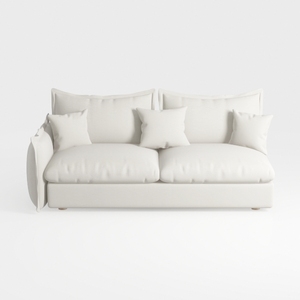
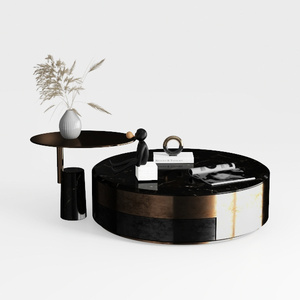
Position a white sofa with oak accents centrally, complete with a marble-topped coffee table featuring a delicate brass edge, and enhance the space with linen-draped windows and brass swing-arm sconces. Include one unique sculptural gold object—be it a bowl or a mobile—to serve as the room's crowning feature. Aim for ambient brightness around 150 to 200 lux using dimming lamps to set the evening's atmosphere.
Select a padded white headboard, ivory bedding embellished with satin stitching, and brass bedside lights with fabric-shaded lamps to tone down brightness. A brushed brass mirror hovering above a minimalistic dresser brings brightness to the space without harsh glare.
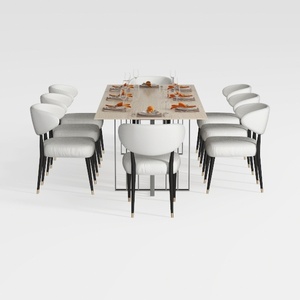
Install a linear brass pendant to hang over a white dining table at a height of approximately 30 to 34 inches above the surface. Use understated flatware and warm candlelight to enhance the metallic warmth of the setting. Keep wall art muted and textured for an inviting atmosphere.
A white entry console, a slim brass-framed mirror, and a petite alabaster lamp contribute to an elegant first impression. Add a performance runner to maintain a fresh palette in high-traffic areas.
Avoid These Common Pitfalls
FAQ
Q1: How can I determine if I have used too much gold?
A: Aim to restrict gold's presence to around 5 to 10% of your visual composition. Use it to highlight key touchpoints such as lighting, hardware, and frames rather than dominate larger areas.
Q2: Which color temperature complements white and gold the best?
A: Using warm white LED lights in the 2700 to 3000K range with a CRI of 90 or higher will keep whites looking soft and gold appearing warm. Incorporate dimming capabilities to manage mood and glare effectively.
Q3: Can I integrate brass with different metal finishes?
A: Absolutely. It is effective to establish one primary metallic finish in gold or brass and a secondary darker metal, such as blackened steel, for contrast. Aim to repeat each at least three times throughout the space for a cohesive look.
Q4: How do I prevent an overly sterile appearance with so much white?
A: Layer an array of textures, including bouclé, linen, ribbed plaster, and matte ceramics. Incorporating warm whites alongside natural wood tones will add depth to your design.
Q5: What is the optimal way to illuminate artwork within a white-and-gold room?
A: Use picture lights or wall washers providing 3000K illumination with a CRI of 90 or above. Maintain a balanced lighting ratio, ensuring the artwork is highlighted without creating harsh bright spots on the walls.
Q6: Are finishes in unlacquered brass practical for everyday use?
A: Yes, these finishes develop a beautiful patina and contribute to a lived-in luxurious feel. For low-maintenance options, consider PVD-coated or lacquered brass that is less susceptible to fingerprints and moisture.
Q7: How can I select the perfect shade of white paint?
A: Test sizable samples in natural light and under evening lighting. Opt for warmer undertones in spaces that receive cool daylight and aim for slightly neutral whites in warmer, west-facing rooms.
Q8: What flooring options work well with a white-gold aesthetic?
A: Light oak, pale herringbone patterns, or honed limestone maintain palette cohesion. Incorporate a wool or wool-blended rug for enhanced acoustic comfort and a softened underfoot feel.
Q9: Does this color scheme work in compact spaces?
A: Certainly! White serves to enhance illumination, giving rooms a more expansive feel. Utilize slender brass details and mirrors to extend sightlines without adding clutter.
Q10: What brightness level should I aim for in a living room?
A: The target should fall around 150 to 200 lux for ambient lighting, supplemented by task lighting in areas for reading or working. This recommendation aligns with standard residential practices from the IES.
Q11: Is it acceptable to combine cool white marble with warm brass?
A: Definitely—the temperature contrast is stylish. Balance this with warm textiles and 2700 to 3000K lighting to create a cohesive look that marries cool and warm elements.
Q12: How can I experiment with different room layouts without commitment?
A: Utilize a design visualization tool to digitally experiment with furniture scale, symmetry, and accent placement, allowing for consideration before making purchases: room layout tool.

Homestyler is your go-to online home design platform. With its user-friendly design tool, stunning 3D renderings, a wealth of design projects, and informative video tutorials, you can effortlessly create and visualize your dream home style. Start designing today—it's simple and inspiring!
Design Now for FREE
































