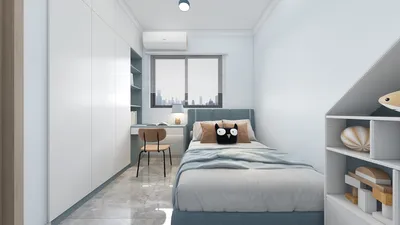


Borders do more than just outline a wall—they establish sightlines, proportions, and ambiance. In various spaces such as living rooms, bedrooms, and open-plan areas, strategically placed borders can anchor furniture, delineate activity zones, and visually elevate ceiling heights without extensive renovations.
Effective borders blend aesthetic appeal with practical design considerations. For example, the WELL v2 standards emphasize the importance of visual connections and glare management as factors that enhance comfort; employing matte finishes in conjunction with controlled lighting at transitions can diminish eye fatigue (refer to the WELL v2 Light concept). Research by Steelcase indicates that well-defined zones foster concentration and collaboration, thereby enhancing perceived productivity in multi-functional spaces. These insights underscore the essential truth: borders subtly influence behavior while simultaneously enhancing comfort.
The psychology of color is also significant. According to an overview by Verywell Mind, cool colors have a calming effect, while warm shades can invigorate; utilizing a deeper, muted color as a frame generates a stable boundary, whereas a lighter inner area creates an illusion of spaciousness. When the color of borders is coordinated with light reflectance values and functional requirements, the overall ambience of a room can feel both larger and more purposeful.
Architectural Borders That Refine Proportions
The concept of proportion serves as the foundation for border design. I strive for a visual ratio of 60:30:10 across base color, secondary colors, and accents. A painted or paneled border that encompasses 8–14% of wall height can subtly influence the perception of ceiling height. For standard 8 to 9-foot ceilings, a tonal band measuring 10 to 12 inches positioned near the ceiling visually elongates the wall; conversely, in taller rooms, a 14 to 18-inch frieze zone can lower the visual horizon and impart a cozier feeling. Opt for a low-sheen finish such as eggshell or matte on broad bands to reduce glare at eye level.
Color-Blocked Frames for Depth and Serenity
Applying color-blocked borders is an economical method to enhance depth. I frequently introduce a mid-tone around the lower third of a wall (approximately 30 to 36 inches from the floor), while keeping the upper area lighter to preserve the sense of spaciousness. In bedrooms, a soft, desaturated green or blue border can promote tranquility and encourage relaxation; in dining or entry spaces, a warm clay or terracotta border imparts a welcoming atmosphere. Maintain a moderate level of contrast—ΔLRV of 20–30 enhances legibility without overwhelming the senses.
Wainscoting, Rails, and Panel Molding
Incorporating applied moldings transforms borders into tactile architecture. A wainscot height of 32–36 inches is ideal for areas adjacent to seating, while providing protection in high-traffic regions. For more imposing spaces or formal settings, elevate the chair rail to 38–42 inches and integrate inset panels; this rhythmic addition enhances visual balance and creates an elegant backdrop for art. In areas exposed to moisture, select durable materials such as moisture-resistant MDF or hardwood; employing low-VOC finishes ensures good indoor air quality.
Lighting as a Border: Grazing and Washes
Lighting can outline a room just as effectively as paint. Dimmer switches paired with 2700–3000K LED tape in ceiling coves generate a gentle halo effect that visually elevates the ceiling; wall grazers installed at a distance of 4–8 inches from the surface highlight textures. Adhering to IES recommendations for task and ambient lighting layers will help prevent excessive contrast between the border lighting and the main field. Always shield linear LEDs to minimize direct sightlines and potential glare.
Material Bands: Wood, Stone, Cork, and Fabric
Material borders bring acoustic and textural advantages. For instance, a 12–18 inch cork band at desk height in a studio functions as both a pin-up rail and a sound absorber. Thin wood slats along the top third of a wall introduce vertical rhythm and can conceal cable pathways. In entryways, a 24-inch porcelain tile wainscot is effective for managing moisture while simplifying maintenance. To ensure clean transitions, incorporate shadow reveals or slender metal trims to avoid untidy edges.
Patterned Borders: Stripes, Stencils, and Wallpaper
Patterning borders endows the room with character. Narrow vertical pinstripes can create an uplifting effect, while horizontal stripes tend to widen the space. I propose using a 3:1 stripe ratio (three parts field, one part accent) to achieve a subtle appearance. Wallpaper borders—previously considered overdone—can appear modern when applied lightly; consider a 6–8 inch botanical frieze near the ceiling in a small bathroom, or a thin geometric band at picture-rail height to create cohesion between artwork and furniture.
Ceiling Borders for Elevation and Focus
Crafting a ceiling inset: paint the central field a shade lighter and implement a 6–12 inch darker band around the perimeter. This approach brings a gallery-like focus over dining tables or beds. In open floor plans, extending the ceiling border across aligned zones can help direct movement and outline primary furniture arrangements.
Defining Zones in Open Layouts
Borders excel at delineating zones without the need for partitions. A tonal wall band that extends across adjacent columns or cabinetry subtly links a living area to a reading nook. If you’re reworking layouts, utilizing a room layout tool can assist in visualizing the continuity of borders and furniture placements prior to making permanent decisions—consider integrating Homestyler for efficient room planning.
Ergonomics and Sightlines
Border height should account for human ergonomics. Ensure strong horizontal lines are below or above average seated sightlines (approximately 42–48 inches standing, 36–40 inches seated) to prevent visual disruptions during focused activities. In work areas, prioritize matte textures near screens and maintain balanced luminance levels; the WELL v2 framework advises managing glare and implementing layered lighting for optimal visual comfort.
Door and Window Borders
Framing doors and windows with 2–4 inch painted reveals or slim wooden casings adds depth and sharpness. Match the reveal color with built-ins for a cohesive appearance. Use a slightly lower gloss on frames compared to doors to soften bright spots; consistent head heights will help maintain a standard datum throughout the space.
Stair and Corridor Borders for Seamless Flow
In transition areas, borders can control pace. A band at handrail height combined with low-level wall washers at 3000K can subtly brighten egress paths. Selecting high light reflectance values in narrow corridors helps disperse light and mitigate a claustrophobic effect, while maintaining smaller pattern scales can prevent visual clutter in areas with significant traffic.
Sustainable Considerations
Choose eco-friendly, low-VOC paints and FSC-certified wooden trims. Natural fiber textiles (like linen and wool) used as wall paneling provide both sound absorption and warmth. When durability is critical, opt for recyclable aluminum trims and modular components that can be repaired or altered without contributing to landfill waste.
Step-by-Step: Planning Your Border Scheme
1) Map out functional areas and traffic flow. 2) Identify key sightlines from main entrances and seating arrangements. 3) Adopt a proportion strategy (ceiling lift, cozy drop, or mid-height band). 4) Test light reflectance value contrasts and lighting behavior at various times of the day. 5) Create a sample area of 4–6 feet prior to full implementation. If reworking furniture layouts simultaneously, employing an interior layout planner, such as Homestyler, can facilitate rapid iterations.
Case Examples from Experience
In a compact 320 sq ft studio, I installed a 34-inch warm gray wainscot topped with a shadow-reveal cap; the upper walls remained off-white. An 8-inch gray ceiling band unified the space. This design made the area feel taller, created a nesting effect for the sofa, and reduced glare from the television due to the matte lower band and controlled ambient lighting. In a family dining room, a 6-inch ceiling frieze along with cove lighting balanced a dark table and enhanced evening comfort.
FAQ
Q1: What border height is optimal for standard ceilings?
A: For ceilings between 8 to 9 feet, a wainscot of 30 to 36 inches and a ceiling band of 8 to 12 inches usually feel well-proportioned. Adjust these measurements slightly based on furniture heights and window sill alignment.
Q2: How can borders influence the perceived size of a room?
A: Narrow border bands placed close to the ceiling can elevate the sightline, making rooms appear taller; mid-height horizontal bands can create the impression of wider walls. Maintaining moderate contrast can enhance the perception of space rather than constrict it.
Q3: What is the best sheen for paint on border areas?
A: Utilize matte or eggshell finishes on large bands to reduce glare, satin on trim for ease of cleaning, and steer clear of high-gloss finishes at eye level in workspaces to promote visual comfort according to best lighting practices.
Q4: Is it feasible to use borders in small rooms without overwhelming them?
A: Absolutely—stick to colors that are similar in saturation (ΔLRV 10–20), apply thinner bands (6–8 inches), and simplify patterns. A single-tone border combined with smooth lighting can convey a serene and spacious effect.
Q5: What’s the optimal method to incorporate lighting with borders?
A: Conceal linear LED lights within coves or behind trims, select a warmer temperature (2700–3000K) for living spaces, dim them to avoid stark contrasts, and adhere to IES-recommended layering principles for balance between ambient and task lighting.
Q6: Are material borders practical in high-traffic areas?
A: Definitely—using tile or hardwood in lower wall sections is effective against scuffs and moisture. Incorporating metal edge trims adds durability and simplifies cleaning efforts.
Q7: In what ways do borders help maintain focus in work-from-home settings?
A: Implement a soothing mid-tone border around your desk to minimize visual distractions, pair with matte finishes to limit screen reflections, and ensure balanced lighting in accordance with WELL v2 recommendations for visual comfort.
Q8: What colors are most effective for reducing stress?
A: Research in color psychology indicates that muted blues and greens promote a calming effect; maintaining low saturation and avoiding high-contrast edges in bedrooms can prevent visual overstimulation.
Q9: How do I ensure borders align with artwork and shelving?
A: Create a consistent datum—often the top of door frames or picture rail height—and ensure the tops of artwork and shelf lines are aligned with that datum to achieve a unified visual experience.
Q10: Can borders enhance acoustic properties?
A: Yes—utilizing materials like cork, felt, or fabric-wrapped panels as perimeter bands can absorb mid-to-high frequencies, improving clarity of speech in lively environments.
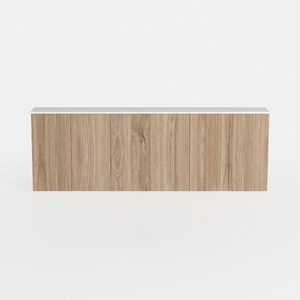
Minimalist Solid Oak Wood Wall Mounted Cabinet 3D Model

Minimalist Solid Oak Round Two Tier Side Table 3D Model
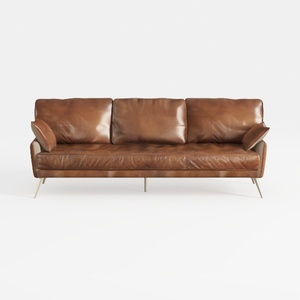
Modern Vintage Leather 3 Seater Sofa With Metal Legs 3D Model
Homestyler is the ultimate online home design platform for everyone! With its user-friendly design tool, stunning 3D renderings, and a wealth of DIY video tutorials, you can effortlessly explore and create your dream space while gaining inspiration from countless design projects. Transform your ideas into reality today!
Progetta ora GRATIS
































