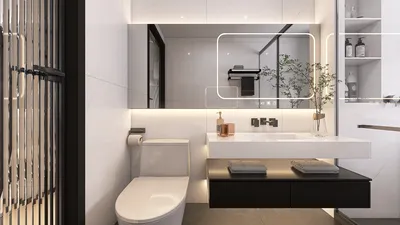


A carefully selected fragrance can change the atmosphere of a space quicker than a fresh coat of paint. Scent influences memory, emotions, and behaviors—it's subtle yet potent. For instance, introducing citrus scents in a living room can elevate vitality, while gentle floral notes in the bedroom promote tranquility. In office settings, well-curated scents can alleviate stress and enhance focus without overwhelming the senses, making tools like Homestyler extremely beneficial for creating the desired ambiance.
Research consistently indicates that the environment significantly impacts performance. A study by Steelcase revealed that sensory comfort—encompassing both air quality and aroma—is a leading factor in workplace efficiency and well-being. The WELL v2 standard emphasizes olfactory comfort, urging the implementation of strategies that avoid sensory overload and enhance mental well-being by promoting clean air and controllable surroundings. Moreover, color psychology insights from Verywell Mind suggest that the interplay of color and scent can heighten mood signals; combining cool color schemes with light herbal fragrances often augments feelings of calm.
In crafting scent experiences, I approach them similarly to lighting: considering intensity, distribution, and the 'temperature' of the notes involved. A powerful fragrance should go through cycles rather than being constant, with adjustable intensities for varying times of the day. This concept resembles the layering of task lighting with ambient and accent lights to minimize fatigue and monotony. For productive workspaces, I integrate scent zoning into acoustic and ergonomic plans, ensuring that the sensory environment complements desired behaviors, a technique easily modeled with design tools like Homestyler. In residential setups, I recommend rotating scents by season—invigorating green notes in spring and warm woods in autumn—to maintain a refreshing atmosphere.
Designing Aroma Zones
Different spaces require distinct fragrances. For entryways, vibrant, inviting scents like bergamot or grapefruit work wonders; open-plan living areas flourish with fresh woods and delicate florals to prevent overwhelming concentration. Kitchens necessitate thoughtful selections—steer clear of sweet gourmand scents while cooking; opt for mint, basil, or light citrus to neutralize odors effectively. In bedrooms, utilize low-intensity, warm, and powdery fragrances to promote restful sleep. If you're refining layouts for traffic flow, using a basic room layout tool can aid in visualizing scent diffusion points and ventilation routes to avoid scent stagnation.
Human Factors: Intensity, Duration, and Control
Ergonomics extends beyond furniture; it encompasses comfort across all senses. I recommend diffusers equipped with timers and adjustable settings, allowing users to modulate scent intensity. In shared office environments, I position fragrance sources away from concentrated seating areas to minimize exposure. The WELL v2 approach advocates for occupant control; therefore, it's beneficial to provide scent-free spaces and opt-out zones. In homes, consider turning diffusers off during meal times and running them on a cycle as evening approaches. Pairing scents with lighting can enhance the experience: warm light (2700–3000K) complements woody and amber fragrances, while neutral light (3500–4000K) works well with citrus and herbal blends. Aligning illuminance standards for living rooms—approximately 50–100 lux—synchronizes well with gentle aromatic output, preventing overpowering scent in high-demand cognitive areas.
Behavioral Patterns and Spatial Intention
Scent influences behaviors significantly. For areas focused on productivity, incorporating herbal and green notes (like rosemary and eucalyptus) at a low-medium intensity promotes alertness. Collaboration spaces can handle more vibrant citrus scents to invigorate discussions, while quiet rooms benefit from soft woods and musks to enhance calmness. In hospitality venues, signature scents create lasting brand impressions; consistency between lobby, corridors, and restrooms solidifies a cohesive guest experience. When planning scent diffusion points, think of them as a form of wayfinding—gradual transitions can guide individuals subtly, enhancing navigation without explicit signage.
Material Compatibility and Sustainability
Different materials release and absorb scents at varying rates. Textiles and porous surfaces tend to retain aromas longer, while harder surfaces disperse scent more swiftly. In terms of fragrance dispersion, avoid using diffusers directly over natural stone or unfinished wood to prevent any staining. Opt for phthalate-free and IFRA-compliant fragrances, and for candles, select clean-burning waxes like soy or coconut. In ventilation-heavy areas, reed diffusers often provide a more consistent aroma than micro-nebulizers, which may be overpowering situated near air returns. Sustainable practices matter greatly; choose refillable diffusers, recyclable packaging, and ethically sourced botanicals to minimize environmental impact.
Acoustic Comfort and Scent
Aromas can influence perceived acoustics within a space. In vibrant areas, fresh and bright scents can psychologically enhance energy levels; pairing these aromas with sound-absorbing materials (like panels, rugs, and soft fabrics) can prevent overstimulation. In serene settings, subdued fragrances, combined with higher NRC-rated materials, contribute to a contemplative atmosphere. The key is achieving balance across sensory stimuli so that no single element—sound, light, or scent—dominates the environment.
Color Psychology Pairings
Colors can influence how aromas are perceived. According to Verywell Mind’s color psychology research, cool tones are linked to calmness; pairing these shades with scents like lavender, chamomile, or iris can enhance restful environments. Conversely, warm color palettes—such as terracotta and amber—work harmoniously with fragrances like vanilla and spices to create a cozy ambiance. Monochromatic spaces often benefit from transparent floral notes, adding depth without creating visual clutter.
Placement, Diffusion, and Air Quality
Prioritize airflow in diffuser placement. Position diffusers where air circulates gently, like near doorways, rather than directly under HVAC supply vents. In elongated rooms, it's more effective to utilize multiple low-output diffusers instead of relying on one powerful device. Clean, filtered air enhances scent clarity; collaborate with facilities management to ensure MERV-rated filters meet building codes. In compact spaces, like small bathrooms, using intermittent diffusion techniques helps avoid saturation. Always prioritize safety—place diffusers away from flames, out of reach of children and pets, and avoid mixing essential oils without proper knowledge of their interactions.
Seasonal and Purpose-Driven Rotations
To prevent olfactory fatigue, consider rotating scents regularly. In the morning, citrus and mint can energize; herbal scents work well for afternoons; and for evenings, woods and musks create a soothing wind-down. During festive seasons, incorporate spices but keep them light to avoid an overwhelming sensation. In display units or staged homes, a signature scent can significantly impact memory recall—guests often associate a place more strongly with scent than visuals.
Measurable Outcomes and Standards
To assess the impact of scent, gather feedback from occupants and monitor usage trends. Steelcase’s findings about employee well-being highlight the importance of controlled sensory environments. The olfactory comfort guidelines from WELL v2 provide direction on managing unpleasant smells and ensuring occupant choice. I recommend aligning diffuser schedules to occupancy: increase output prior to occupancy, minimize levels during peak hours, and turn off at the day's end. If scent plays a role in brand identity, establish Key Performance Indicators (KPIs) such as recall rates in customer surveys, time spent in a space, and overall satisfaction metrics.
1) Identify a primary scent for each area based on its function. 2) Select devices that allow for adjustable output. 3) Analyze airflow and seating arrangements; using a design tool can help visualize placement to avert scent hotspots. 4) Conduct a week-long test; solicit feedback. 5) Design a schedule for scent rotation and maintenance.
FAQ
Q1: What level of scent intensity works best in a small bedroom?
Using a low output (around 10–20% on adjustable diffusers) with warm, powdery fragrances can facilitate restful sleep; steering clear of strong citrus or spicy scents is advisable as they may be stimulating.
Q2: Can aromas enhance productivity in an office setting?
Absolutely—herbal and light citrus combinations at low intensities can promote alertness. Steelcase’s research correlates sensory comfort with workplace effectiveness, highlighting the importance of providing options for scent-free areas.
Q3: How can I prevent overwhelming my guests with scent?
Utilizing multiple low-output diffusers, avoiding heavy gourmand fragrances during meals, and implementing pulse diffusion before guests arrive instead of maintaining a constant scent can help achieve a balanced atmosphere.
Q4: Are essential oils safe around pets?
Certain oils (like tea tree and eucalyptus) may pose risks. It's best to keep diffusers out of pet reach, use well-diluted blends, and maintain good ventilation. Consulting with a veterinarian about potential sensitivities is recommended.
Q5: What’s the optimal placement for diffusers?
Position diffusers near areas with gentle airflow, steering clear of high-seating clusters and HVAC supply vents. In longer rooms, arrange diffusers along circulation paths for even scent distribution.
Q6: How do color palettes impact fragrance selection?
Cool color schemes harmonize with calming floral and herbal scents; conversely, warm color palettes invite woody and spicy aromas. Insights from Verywell Mind on color psychology encourage aligning hues with the desired emotional response.
Q7: Are there established standards regarding scent in architectural design?
The WELL v2 standard includes recommendations for olfactory comfort and user control. While the IES primarily focuses on lighting, their layered comfort concepts influence our approach to aromatic integration.
Q8: How frequently should I change fragrances?
Seasonal rotations are effective; in dynamic work environments, monthly micro-rotations can help avoid olfactory fatigue. Maintain a core signature scent while swapping out accent fragrances.
Q9: What should I consider regarding allergies and sensitivities?
It's wise to provide scent-free zones, utilize hypoallergenic blends, and ensure clear labeling. Encouraging feedback and adjusting scent cycles based on it is advisable.
Q10: Can scents assist in controlling odors in kitchens and bathrooms?
Yes, using mint, basil, and light citrus for kitchens is effective, while in bathrooms, intermittent diffusion of fresh aquatic or green notes can help manage saturation levels.

Minimalist Concrete Large Planter Pot with Greenery 3D Model
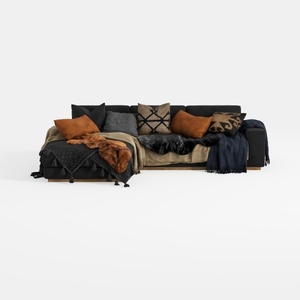
Modern Black Fabric Sectional Sofa with Decorative Throw Pillows and Blankets 3D Model
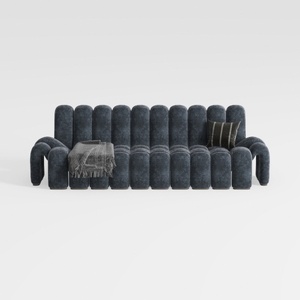

Modern Dark Blue Fabric Channel Tufted Oversized Sofa 3D Model
Homestyler is your go-to online home design platform, perfect for anyone looking to create stunning interiors without the hassle. With an intuitive design tool, impressive 3D renderings, and a treasure trove of DIY video tutorials, turning your design dreams into reality has never been easier!
Design Now for FREE
































