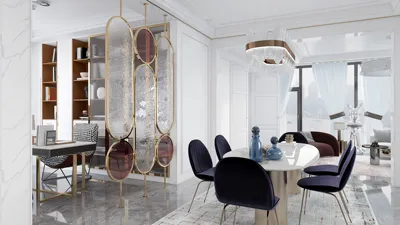


The use of light grey introduces a sophisticated and contemporary flair to spaces, avoiding the starkness often associated with pure white. It's an adaptable base that showcases texture, enhances natural lighting, and complements various accent colors—from warm oak to deep charcoal. Whether in corporate or home settings, light grey contributes to an impression of spaciousness, tranquility, and cohesion, particularly when used alongside well-balanced lighting and tactile elements.
Research supports the importance of a serene, neutral foundation. The WELL v2 Light concept suggests that maintaining ambient light levels between 200-300 lux can enhance visual comfort, while bright task lighting (300-500+ lux) minimizes eye strain. Properly distributed lighting correlates with improved mood and circadian rhythm support (v2.wellcertified.com). In addition, studies by Steelcase indicate that environments fostering focus and relaxation boost both performance and wellbeing, highlighting the effectiveness of muted color schemes that reduce visual distraction. Furthermore, insights from Verywell Mind suggest that colors like blue can evoke calmness and reliability, while yellow, when applied thoughtfully, can impart energy and optimism (verywellmind.com/color-psychology). These factors guide my approach to blending light grey with functional lighting and color highlights in a way that does not overwhelm the overall design.
Create a Base of Light Grey Featuring Texture
Begin by outlining the foundation: painting walls in a soft, neutral grey (aim for LRV 60-70) ensures high reflectance that distributes light evenly without causing glare. I lean towards matte or eggshell finishes to minimize glaring highlights. Next, introduce a variety of textures—think linen curtains, wool-blend rugs, and limewash or microcement accent walls—to cultivate a sense of warmth and depth while avoiding a flat appearance. Incorporate natural wood elements like oak or rift-cut white oak to create contrast that counters monotony.
Harmonize Undertones: Warm Against Cool Greys
Grey is never one-dimensional; its undertones play a crucial role. In rooms that face north, I prefer warmer greys imbued with soft beige undertones to balance the cooler light. Conversely, south-facing areas benefit from cooler grey tones that maintain their freshness. To evaluate, apply large swatches and observe them throughout different times of the day. Warm greys should be paired with brushed brass, cognac leather, and walnut, while cooler tones work well with blackened steel, chrome, and stone finishes such as honed Carrara or Basaltina.
Lighting Strategy: Combine Ambient, Task, and Accent
Implement a distinct lighting hierarchy. Use ambient lighting as the foundation (200-300 lux based on WELL v2 recommendations), elevate task lighting for work surfaces (300-500 lux for reading or preparation), and incorporate accent lighting to introduce visual variety. I favor installing linear LED lighting at 2700-3000K for cozy living spaces, while kitchens and studios benefit from 3500-4000K for optimal clarity. It's important to maintain a consistent color temperature within a 300K range to ensure cohesive color rendering. Mitigate glare through shielding and opt for fixtures with UGR ratings that promote a comfortable viewing experience; IES resources can guide balanced light distribution (ies.org/standards). Dimmers and pre-set scenes allow a light grey room to transition from vibrant daytime illumination to softer evening ambiance without altering the overall color scheme.
Strategic Use of Contrast
Contrast adds structure within a room. With light grey as the backdrop, incorporate mid-grey textiles, black picture frames, and introduce a deep accent—such as charcoal built-ins or a midnight blue sofa. Concentrate contrast in key areas like media walls, dining alcoves, or headboards. This method preserves a calm visual field while guiding focus where necessary. In smaller rooms, it’s effective to shift contrast to accessories like vases, books, and lamps to prevent the space from feeling cramped.
Understanding Color Psychology: Accents that Influence Behavior
Light grey serves as a perfect canvas for accent colors that influence mood. Shades of blue and blue-green promote serenity and concentration; muted terracotta adds warmth; while sage greens offer a sense of restoration. I recommend using a color distribution ratio of 70% light grey neutrals, 20% mid-tones (such as soft charcoals and woods), and 10% vibrant accents. This careful balance fosters a consistent psychological environment, minimizing decision fatigue and reducing visual clutter while still allowing for individual expression.
Furniture Choices: Form, Proportions, and Comfort
Opt for furniture featuring clean lines, rounded edges, and visible leg frames to maintain a sense of openness. For ergonomic support, seating heights around 16-18 inches and table heights of approximately 28-30 inches promote comfortable posture; armrests should typically be 9-10 inches above the seat for shoulder relaxation. In workspaces, adjustable chairs with lumbar support and desks with an adjustable height range of 22-48 inches cater to all users. Upholstery in textured grey fabrics can conceal wear better than solid hues and works well with layered throws.
Favored Materials: Natural, Matte, and Long-lasting
Light grey exudes elegance when complemented by authentic materials. Using matte porcelain, honed stone, limed oak, powder-coated metals, and boucle or wool enables a complex yet inviting palette. It’s vital to balance smooth and textured surfaces to avoid losing warmth in bright daylight settings. Sustainability also plays a role—using FSC-certified timber, low-VOC paints, and tiles made from recycled materials means the design remains eco-conscious without sacrificing style.
Flooring and Rugs: Solidifying the Theme
Select tonal flooring to ground the overall scheme. Options like light oiled oak or warm grey luxury vinyl tiles form a gentle foundation. Rugs should not only add visual scale but also assist with acoustics—dense wool or felted blends help to absorb noise and delineate seating areas. Aim for a rug position that sits 8-12 inches beneath sofas and chairs to create a unified look without overwhelming the space.
Spatial Layout: Clarity, Movement, and Sightlines
Light grey thrives in well-organized spaces. Create clear circulation paths with 36-42 inch wide walkways, ensure major furniture doesn’t obstruct window walls to maximize light, and align key focal points—such as a fireplace, artwork, or scenic views—with entry lines of sight. For visualizing furniture placements and flow before making commitments, it’s beneficial to utilize a room layout tool that supports layout simulation.
Enhancing Acoustic Comfort in Grey Spaces
Due to the frequent use of harder finishes in grey-themed interiors, managing echoes is essential. Introduce rugs, upholstered seating, fabric panels, and bookshelves to incorporate sound absorption. In living areas, aim for a mix that combines absorptive elements (textiles) with diffusive items (open shelving and greenery) to ensure clear conversations and reduce fatigue, particularly in open-plan environments.
Light Control: Sheers, Windows, and Glare Management
With the common use of reflective light grey surfaces, managing glare becomes imperative. Layer sheer curtains with thicker drapes (3-8% openness recommended). In work areas, place monitors perpendicular to window light to minimize reflections. Choose low-sheen wall paints for surfaces near screens. Utilizing daylight-responsive shades and dimmable lighting can help maintain consistent illumination as conditions change.
Personalizing with Art, Objects, and Unique Touches
Select fewer, larger art pieces rather than numerous smaller ones for greater impact. Black or natural wood frames create striking contrasts against grey backgrounds. Sculptural lighting can serve as functional decor; ceramic vases and stone bowls introduce tactile elements that enhance the space. Maintain shelves at 60-70% fullness to give items room to breathe and stand out.
Kitchen and Bath with Light Grey Accents
Light grey cabinetry paired with warm brass hardware and honed stone countertops fosters a modern and inviting ambiance in kitchens. Balance cooler tones of appliances with warm wood stools or exposed shelving. In bathrooms, light grey tiling combined with soft white grout mitigates harshness; incorporating oak vanity units and dimmable wall lights creates a flattering effect for skin tones (2700-3000K is recommended).
Maximizing Space in Small Areas
Employ a single light grey tone on both walls and ceilings to blur boundaries; create vertical storage options; and select furniture with thin legs to expose more floor surface. Position mirrors to reflect daylight instead of directing views towards cluttered areas. Ceiling-mounted drapes also help enhance the perception of height.
Innovative Touches for 2024-2025: Subtle Technology and Biophilic Design
Incorporate softly integrated technology—such as flush magnetic track lighting, discreet sound panels, and furniture designed for cable management—to maintain the tranquility of light grey interiors. Introduce elements of biophilic design: plants with rounded leaves, travertine surfaces, cork materials, and wool textiles offer both thermal and tactile comfort. These understated layers ensure modern spaces remain timeless, rather than chasing fleeting trends.
Frequently Asked Questions
For warmth in living and bedrooms, a light temperature of 2700-3000K is recommended, while kitchens and studios benefit from a clarity of 3500-4000K. Maintaining a consistent light range across fixtures prevents color mismatches.
Ambient lighting at 200-300 lux and task lighting at 300-500+ lux address most daily lighting needs, adhering to the visual comfort guidelines of WELL v2.
In spaces receiving cool daylight, opting for warm greys with hints of beige can prevent the room from appearing too cold or flat.
A continuous light grey application on both walls and ceilings, paired with leggy furniture and minimal contrast in small accents, can visually enlarge the space.
Materials like honed stone, limed oak, matte porcelain, boucle, and powder-coated metal provide depth without producing glare. A mix of smooth and textured surfaces enhances interest.
Incorporating layered textures, warm wood accents, adjustable lighting, and minimizing high-gloss finishes creates a harmonious environment. Fewer larger art pieces tend to contribute warmth.
Colors such as blues, blue-greens, sages, and muted terracotta perform effectively. Maintaining a distribution of 70/20/10 ensures a well-balanced palette.
Utilize a combination of rugs, upholstered seating, fabric panels, and bookshelves to harmonize absorption and diffusion, helping diminish echo and fatigue during conversations.
A clear path of 36-42 inches, anchoring focal points in line with entry points, and testing different layouts can all enhance spatial efficiency. Tools like the room layout tool can assist in planning.
In kitchens, light grey cabinetry combined with honed counters, warm metal fixtures, and 2700-3000K lighting in bathrooms can create a welcoming scheme that flatters skin tones.




Transform your home with Homestyler, the ultimate online design platform! Enjoy user-friendly tools for crafting stunning interiors, explore diverse design projects, and visualize your ideas through incredible 3D renderings. Enhance your skills with engaging DIY video tutorials—perfect for every homeowner looking to create their dream space!
立即免费设计
































