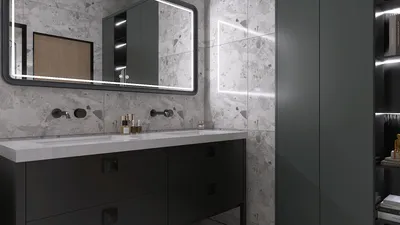


I have organized numerous dinners where the choice of venue was crucial—one that promotes engaging conversations, smooth service, and an atmosphere that surpasses the ordinary. Private dining is not merely about creating a secluded space; rather, it is an artful blend of acoustics, lighting, seating arrangements, and attentive service that transforms a gathering into an unforgettable experience. Utilizing tools like Homestyler can help in visualizing this transformation.
Establishing the Atmosphere with Space, Sound, and Lighting
At the beginning of my planning, I evaluate how the room influences interactions: rectangular spaces often encourage focused discussions, whereas round setups foster inclusive dialogue. Acoustic comfort plays a pivotal role in private dining; too much reverberation can hinder communication and reduce energy levels. According to WELL v2, noise and acoustics are vital for enhancing occupant comfort, supporting the notion that managing ambient sound fosters better social ties. Regarding lighting, the Illuminating Engineering Society (IES) suggests a range of 100–300 lux for dining; I tend to aim for the lower range, utilizing warm 2700–3000K color temperatures to enhance both skin tones and food presentation while minimizing glare.
Capacity, Arrangement, and Flow
Comfort largely relies on capacity. Generally, it is advisable to allocate 24–30 inches per chair and ensure at least 36 inches of space for circulation behind seating to allow servers to work smoothly. Banquettes are ideal for intimate dinners (6–10 people), while boardroom-style tables are perfect for client meetings or wine tasting events. When balancing audio-visual requirements with meal timing, I will assess sightlines to screens and podiums, positioning latecomers near the door to minimize disruption. To visualize different table configurations, service areas, and guest traffic, I often utilize a layout tool like Homestyler to explore various scenarios before finalizing the guest count.
Lighting That Enhances Food and Guests
Private dining spaces should focus on simple layers of illumination: ambient light for comfort, accent light for centerpiece displays, and candlelight or subdued table lamps to create intimacy. Dimmers are essential; I set up pre-defined scenes for welcoming drinks, main courses, and speeches. Warm 2700–3000K LEDs help maintain the inviting glow associated with hospitality, while avoiding cooler temperatures that can make food appear uninviting. It's critical to manage glare—using shielded fixtures and matte surfaces can prevent reflections that distract from enjoyment. I also recommend spill lighting near service areas to support staff without intruding on the dining experience.
Acoustic Solutions for Memorable Conversations
It is rare for restaurants to focus on acoustic isolation in private dining areas, so I opt for soft finishes like upholstered chairs, drapes, rugs, or fabric panels that absorb sound. An irregular ceiling, book shelves, or wine displays can also help diffuse echoes. Keeping background music at a lower volume is key; I ask for independent volume control and a playlist that features softer textures rather than dominating beats. For venues with audio-visual capabilities, I ensure that microphones are directional and speakers are placed away from reflective surfaces to optimize sound clarity.
Designing Service: Timing, Menu, and Traditions
Top-notch private dining experiences feel relaxed rather than hurried. I coordinate staggered wine servings, ensure courses can pause briefly, and start with shared platters to encourage interaction. For corporate events, I prefer a pre-selected menu featuring one fish, one poultry or red meat, and a plant-based option to accommodate diverse dietary preferences. It's important to confirm the kitchen's ability to serve multiple main courses simultaneously; if they can't manage that, I consider family-style service or staggered timings. Additionally, a sideboard for water, bread, and extra stemware decreases table crowding, leaving space for those memorable moments like cake cutting or toasts.
Creating Ambiance and Understanding Color Psychology
Color can subtly influence mood. Warm neutrals, muted greens, and deep blues evoke calm and connection; according to insights from verywellmind, blue tones promote serenity and trust, while red hues can spark energy and enhance appetite. For special occasions, I focus on layered neutrals accented with one vibrant color—through florals, table linens, or artwork—to keep the emphasis on guests and the meal.
Selecting the Ideal Restaurant for Your Gathering
When clients seek ‘the best,’ I translate that to mean ‘the best for your specific occasion.’ Factors to consider include the location and accessibility, the chef's specialties, whether the space accommodates your guest count comfortably, and how the staff maintains privacy (for example, through dedicated hallways or discreet access). I routinely request an on-site visit: I check door seals, assess dimmer functionality, listen for any mechanical noises, count power outlets for AV needs, and verify table dimensions to avoid relying solely on images for capacity estimates. If speeches are part of the event, I select rooms featuring a focal wall and clear sightlines, performing an audio check in advance.
Styles of Private Dining Rooms Based on Occasion
- Celebration dinners: Use softer lighting, round tables, comfortable chairs, and a warm color palette, with a designated area for desserts.
- Executive dinners: A boardroom-style setup with a neutral color scheme, free from visual distractions, and excellent sound quality, ideally combined with subtle branding.
- Wine tastings: Employ elongated tables, controlled lighting to highlight decanters, and a side credenza for glassware.
- Family-style gatherings: Flexible table layouts allowing ample space for movement, coordinated serving styles, and kid-friendly seating options.
Intimate Spaces for Small Groups vs. Key Elements for Large Parties
For gatherings of 8–12 guests, cozy rooms with banquettes and subdued lighting foster a relaxed atmosphere. For larger groups, accommodating 20–40 attendees, it’s essential to focus on circulating space, additional service points, and the ability for quick resets between courses. Large events thrive with rectangular tables allowing for central aisle service and discreet staging areas near the entrance for items such as floral arrangements or AV equipment.
Inclusivity, Accessibility, and Comfort
Ensure that venues provide barrier-free access, with clear door widths and ADA-compliant restrooms. Select chairs that offer arm support for those who need it, and maintain at least 36 inches between table edges and obstacles. Room temperature can vary greatly, so it’s wise to ask for independent HVAC control or portable solutions if necessary. Additionally, I confirm that staff are aware of dietary restrictions and seating preferences beforehand.
Essential Checklist and Negotiation Tips for Booking
- Request a comprehensive pricing structure that clearly outlines service charges, taxes, and minimum spending requirements.
- Confirm details regarding AV fees, corkage charges, and cake policies early in the process.
- Obtain a detailed timeline for the sequence of events including room access, welcome drinks, courses, speeches, dessert, and farewells.
- In case of changes in attendance, ask for an alternative layout to ensure the space meets the desired ambiance; a quick adjustment with an interior layout planner can be beneficial.
- Finalize the menu and wine selections at least 72 hours in advance; re-confirm guest count and dietary considerations 48 hours prior.
Expert Insights
For planning standards, WELL v2 prioritizes acoustic comfort and adjustable lighting for the wellbeing of occupants; recommendations by IES suggest dining lighting around 100–300 lux paired with warm color temperatures, serving as a helpful baseline. Research from Steelcase emphasizes the correlation between sensory equilibrium and engagement—an invaluable resource when fine-tuning private dining settings for dialogue-centric events.
Frequently Asked Questions
Q1: What lighting level is ideal for private dining?
A1: Strive for approximately 100–200 lux at the dining table with a color temperature of 2700–3000K to keep faces appealing, food enticing, and reduce glare. These recommendations are aligned with IES guidance for dining spaces.
Q2: How can I enhance acoustics in a room with hard surfaces?
A2: Incorporate absorbing materials like tablecloths, cushioned seating, drapery, rugs, or fabric panels. Bookshelves and textured walls can also help diffuse sound. Keep the background music at a moderate level with independent controls.
Q3: What shape of table promotes better dialogue?
A3: Round tables encourage inclusive conversations suitable for smaller groups (6–10). For larger gatherings or presentations, rectangular tables provide access to a center aisle and balanced service flow.
Q4: Can private dining minimum fees be negotiated?
A4: Generally, yes. Weeknights and off-peak seasons often provide more room for negotiation. Combining AV and menu commitments can also facilitate requests for all-inclusive pricing to prevent hidden charges.
Q5: How should I accommodate diners with dietary restrictions?
A5: Confirm any food allergies and preferences 48–72 hours in advance. Provide a menu with at least one fish, one meat/poultry choice, and one plant-based dish. Ensure that the kitchen can serve multiple plates simultaneously, or consider family-style service.
Q6: What is the best strategy for planning room layouts?
A6: Begin with precise measurements for tables and chairs, ensure circulation space of at least 36 inches, and evaluate sightlines. Using a layout simulation tool like Homestyler can assist in visualizing arrangements and making swift adjustments.
Q7: Should I choose candles or table lamps for lighting?
A7: Both options can be effective. Candles create a romantic atmosphere but require attention to prevent wax spills, while table lamps offer more consistent illumination and help minimize glare. Adjust overhead lighting levels accordingly to integrate these elements effectively.
Q8: What factors contribute to private dining service that feels attentive yet discreet?
A8: Key aspects include dedicated staff, easy access to a sideboard, synchronized timing for courses, and careful management of entrance doors. Relying on smooth refills and clearings ensures that special moments like toasts are uninterrupted.
Q9: How can I manage speeches without interrupting the meal?
A9: Coordinate a brief pause between courses to accommodate speeches, check audio-visual setups ahead of time, position speakers against a focal wall, and use directional microphones to minimize feedback issues.
Q10: Any suggestions for celebratory decor?
A10: Use neutrals layered with one vibrant accent color, avoid high centerpieces that block the view between diners, and employ dimmable accent lighting to highlight cakes or floral arrangements without creating glare.
What began as an Autodesk innovation has evolved into a design platform used by more than 18 million people around the globe. Homestyler combines powerful rendering, an intuitive editor, and a vast furniture library to help you turn inspiration into photorealistic designs — whether you're redesigning a single room or planning an entire home.
Minimalist Fabric L Shape Sectional Sofa 3D Model


Minimalist Fabric Curved Sofa With Throw Pillow 3D Model

Modern Pink Velvet Curved 3 Seater Sofa with Decorative Throw Pillows 3D Model
Homestyler is an exceptional online home design platform that empowers you to create stunning spaces effortlessly. With its intuitive design tool, impressive 3D renderings, diverse design projects, and engaging video tutorials, transforming your home ideas into reality has never been easier or more enjoyable!
Design Now for FREE
































