


When considering the design of drawing rooms, I view them as a social gathering spot where elements like lighting, sightlines, and surface textures must foster conversation, comfort, and the home's unique character. One of the swiftly impactful choices is wallpaper, which enhances décor with little disruption. More than just a visual enhancement, selecting the perfect wallpaper can also influence acoustics, facilitate movement within the room, and complement lighting and furniture selections seamlessly.
Optimal design choices stem from measurable impacts. The WELL v2 standards emphasize how visual comfort and glare control significantly contribute to occupant health. Using matte or low-sheen wallcoverings plays a vital role in managing light reflectance. Research from Steelcase consistently establishes the connection between visual complexity and biophilic design elements with reduced stress and greater cognitive clarity; the use of well-considered patterns and nature-inspired motifs can deliver these benefits without overwhelming the space. Such insights guide my decisions on finishes, pattern sizes, and overall luminance from the initial idea to the final installation.
The impact of color on a space is equally significant. According to Verywell Mind's examination of color psychology, cool shades such as blue and green are linked with tranquility and concentration, whereas warmer hues tend to energize and encourage conversation. In spaces where families and guests converge, I typically strike a balance with a calming foundational color complemented by warm accents—through patterns, trim, or textiles—to create an inviting atmosphere.
Selecting the Best Wallpaper for Your Living Space
I commence the selection process focusing on three crucial elements: the amount of natural light, the seating arrangement, and the height of the ceiling. Rooms that face south can accommodate richer colors and bold contrasts, while north-facing spaces benefit from lighter backgrounds and softer contrasts for a more open feel. In seating-arranged areas that establish focal points, I consider using a standout wallpaper for a feature wall, pairing it with a more muted companion for the rest of the space. In narrower rooms, horizontal patterns can help balance proportions, while vertical designs or elongated botanical themes can enhance the appearance of low ceilings.
Visual Balance and Pattern Harmony
Large patterns can make more compact spaces seem curated rather than cluttered, as long as there’s enough negative space within the motif. Mid-scale geometric designs work well in medium-sized rooms with eclectic furniture choices, while formal parlors with significant moldings can benefit from damasks, grasscloths, or subtle murals that complement without competing. I focus on rhythm, as patterns that repeat every 18 to 27 inches tend to create a serene visual experience from typical seating distances, avoiding distractions.
Color Schemes for Inviting Social Spaces
For rooms designed for conversation, I pair muted base colors—like stone, sage, or ocean blue—with warm undertones in patterns or fabrics. When a more vibrant atmosphere is desired, accents in terracotta, saffron, or coral can uplift the space while keeping the main color calm. If you have an eclectic art collection, opt for a subdued palette in your wallpaper, and draw in an accent color through cushions or throws to unify the room's aesthetic.
Managing Light, Sheen, and Glare
The quality of lighting plays a crucial role in how wallpaper appears. Following IES guidelines for luminance balance and glare management, I recommend avoiding overly glossy textures in the direct line of sight. Instead, I specify finishes that are matte, eggshell, or silk-like to diffuse reflections beautifully, both during the day and night. For evening gatherings, using warm-to-neutral white lighting (2700–3000K) is ideal; if your wallpaper design contains cooler tones, a slightly higher color temperature (3000–3500K) maintains color integrity.
Texture and Sound Absorption
Incorporating textile wallpaper, cork, or grasscloth introduces micro-textures that help distribute sound and lessen echoes in rooms with hard surfaces. Even options like embossed vinyl can break up sound feedback effectively. For rooms with high ceilings or limited soft furnishings, pairing a textured wallpaper with a strategically placed rug and lined drapes can enhance sound clarity for conversations and media enjoyment.
Feature Wall vs. Full Room Application
Feature walls are great for adding intensity and work well when one wall naturally anchors the space, such as behind a central sofa or next to a fireplace. Full room applications create a cohesive feel, perfect for subtle patterns or symmetrically arranged rooms. I often utilize layout simulation tools to visualize how each option might play out concerning seating and entry visual lines. For effective planning and visualization, consider utilizing an interior layout planner like Homestyler.
Timeless Styles That Last
- Botanical and biophilic patterns: Images of ferns, palm leaves, and other greenery connect indoor spaces with nature, making them timeless choices for rooms opening to gardens.
- Tonal damask: This style complements traditional trims and paneling, especially in soft, muted color schemes.
- Grasscloth and raffia: These materials offer depth and texture without overt patterns, making them perfect for spaces that showcase artwork.
- Architectural geometrics: Designs like Greek key or trellis create an orderly, sophisticated look.
- Murals and expansive patterns: Best suited for uninterrupted wall spaces; ensure scale is appropriate for viewing distance.
Measuring, Repeats, and Installation Planning
When measuring, take the perimeter minus the openings and add 10-15% to account for pattern alignment and cuts. Large repeats, ranging from 24 to 36 inches, can increase waste, so plan accordingly. If your space features deep crown or base profiles, visualize how a motif will relate to these elements; slight starting height adjustments can preserve beautiful design features from being trimmed away.
Integrating Wallpaper with Furnishings and Artwork
Choose one central design element. If the wallpaper makes a bold statement, keep the upholstery textures rich yet subdued, opting for materials like bouclé or linen. Conversely, if the furniture is the focal point, select a low-contrast, textured wallpaper that allows the form and silhouette to shine. Dark wood or matte black frames add sharp definition against patterned backgrounds.
Material Selection and Longevity
- Paper and non-woven options: Feature refined surfaces and good breathability, with non-woven variants being easier to install and remove.
- Vinyl and performance wallcoverings: These are wipeable and ideal for family environments; opt for low-sheen, embossed choices for added elegance.
- Natural fibers such as grasscloth and jute: Provide lush textural experiences; expect natural seams and diversity in color as part of their charm.
- Peel-and-stick: These options are ideal for temporary solutions or quick makeovers; however, it’s essential to test adhesive properties and ensure surfaces are smooth.
Considering Sustainability
Opt for wallpapers made with water-based inks, FSC-certified materials, and seek manufacturers with recycling initiatives. Low-VOC adhesives contribute to better indoor air quality, reducing unpleasant odors on installation day. Natural materials bring warmth and durability, yet be mindful of their inherent irregularities.
Creating a Lighting Scheme for Your Wallpaper
Incorporate layered ambient lighting (ceiling or cove), task lighting (reading lamps), and accent features (picture lights or wall washers). Aim for dimmable options that create an ambiance between 100-200 lux in seating areas—this range flatters skin tones and enhances visual patterns. Avoid direct downlights that may highlight seams; use wall washers positioned 12-18 inches from the wall for uniform illumination on murals.
Quick Design Compositions
- Creating a Soothing Environment: Pair pale sage grasscloth with walnut frames and warm white lamps at 2700K.
- Curating a Gallery Space: Use tonal linen-look vinyl alongside oversized artwork and brass picture lights.
- Designing a Garden Retreat: Combine soft botanical murals with natural linen drapery and dark-stained flooring for grounding.
- Modern Classic Approach: Choose a subtle trellis in dove gray, paired with a tufted sofa and black accents for definition.
Common Design Pitfalls to Avoid
- Overly glossy finishes that can cause glare under ceiling lights.
- Pattern scales that are too small, leading to visual noise from standard seating distances.
- Overlooking natural light direction and ending up with a dull ambiance on cloudy days.
- Neglecting to create a sample board; always test a full repeat on the wall before finalizing your decision.
Frequently Asked Questions
Low-sheen or matte finishes are best to minimize glare from bright daylight and downlights. Textured non-woven and grasscloth options handle various lighting angles beautifully.
To ensure calmness from a distance of 8-12 feet, look for patterns that repeat around 18-27 inches. In smaller spaces, larger patterns with sufficient negative space will read cleaner than dense, intricate designs.
Yes, incorporating textured and textile wallcoverings can scatter sound and diminish flutter echoes, especially when complemented with rugs and lined curtains.
No, a feature wall works best when it naturally anchors the room layout, like a wall beside a fireplace. Adjacent walls should be quieter to ensure balance.
Cool tones such as soft green or blue instill calm, while integrating warm accents—like terracotta or coral—enhances social energy without overwhelming the atmosphere.
Use dimmable ambient lighting, introduce accent lights for artworks, and steer clear of harsh grazing on seams. Warm-to-neutral white seems to flatter nearly all palettes.
For temporary solutions or quick refreshes, absolutely. Just select trustworthy brands, check adhesion, and make sure walls are smooth and primed to avoid issues.
It’s advisable to order an entire repeat when possible and attach it to the designated wall for a few days. Observe it under both natural and artificial light to confirm the right color and sheen.
Absolutely. Select designs respecting proportions—like tonal damasks or tailored geometrics—which often complement detailed trims beautifully.
Let one key design feature shine. If artwork is striking, opt for a more subdued wallpaper. Conversely, if the wallpaper stands out, keep the upholstery rich yet tonal.
Not always. Low-contrast dark patterns can evoke intimacy and sophistication when layered lighting is effectively applied and reflective surfaces are kept to a minimum.
Gently dust wall surfaces with a microfiber cloth. Performance vinyls can be cleaned using a mild soap solution; avoid harsh chemicals on natural fibers.
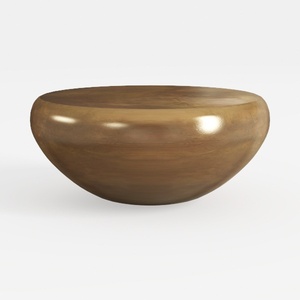
Minimalist Solid Wood Round Coffee Table 3D Model
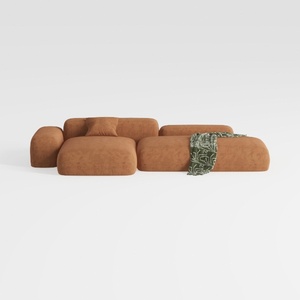
Minimalist Brown Fabric Modular Sectional Sofa 3D Model

Minimalist Oak Linen 3 Seat Sofa 3D Model
Looking to transform your living space? Homestyler is your go-to online home design platform! Enjoy a user-friendly design tool, stunning 3D renderings, a wealth of design projects, and engaging DIY video tutorials. Start creating your dream home today with ease and inspiration!
Design Now for FREE
































