


Contemporary chandeliers have evolved far beyond being exclusive to grand ballrooms and entryways; they now serve as striking focal points in living rooms, offering artistic appeal, ample illumination, and an element of intrigue. An appropriately selected chandelier can create an illusion of higher ceilings, harmonize different seating areas, and enhance your color scheme and material design. The quality of light is crucial; guidelines from WELL v2 recommend achieving 300-500 lux in living spaces to ensure comfort and visibility for tasks while employing layered, dimmable lighting solutions to reduce glare and eye stress. Research by Gensler indicates that environments equipped with controllable layered lighting are often rated significantly higher for comfort and perceived productivity, a principle that seamlessly translates to cozy residential living rooms.
In addition to aesthetic appeal, comfort can be quantified. The Illuminating Engineering Society (IES) highlights the importance of managing contrast ratios and avoiding direct views of bare bulbs to mitigate disability glare. WELL v2 also underscores the significance of flicker-free dimming and color temperatures that support circadian rhythms for overall wellness. For practical use, maintaining ambient lighting within the 2700-3000K range in the evening fosters a warm atmosphere, while 3000-3500K is suitable for vibrant family spaces. These guidelines will aid in both selecting the chandelier and specifying the right bulbs, ensuring this eye-catching piece of decor enhances your living experience, not just serves as a backdrop for social media.
Assessing Size, Scale, and Height
Size truly matters when it comes to chandeliers. A useful rule of thumb is to add the length and width of the room in feet to ascertain a rough chandelier diameter in inches (for instance, a room measuring 12 ft by 16 ft suggests a chandelier around 28 inches in diameter). In open-plan living environments, consider zoning—focusing on the primary seating area, rather than the entire room footprint, guarantees proportional harmony. When hanging your chandelier, it’s essential that the lowest point stays at least 7 ft (213 cm) off the ground for standard 8 to 9 ft ceilings. For spaces with vaulted ceilings, position the chandelier's visual center about one-third of the way down from the ceiling to the floor, ensuring vertical balance—always check the manufacturer’s specifications for weight and mounting requirements.
Light Quality and Layering Techniques
Modern chandeliers are designed to be visually appealing rather than provide uniform lighting. To meet the WELL v2 ambient light target of 300-500 lux in living areas and approximately 150-250 lux in adjacent lounges, consider layering them with recessed lights, wall washers, or portable lamps. Opt for LED bulbs with a color rendering index (CRI) of 90 or higher to faithfully represent colors and skin tones. It's essential to pair your chandelier with a compatible dimmer (either phase or 0-10V) rated for LED usage to prevent flicker and performance issues. Broader beam angles work well for general ambient lighting, while narrower beams can highlight artwork or architectural details, ensuring that contrast ratios remain comfortable for extended enjoyment.
Design Styles: From Sculptural to Subtle
- Linear and multi-arm designs: Ideal for elongated living rooms or arrangements featuring dual sofas. Slim profiles maintain open sightlines while effectively illuminating the seating area.
- Ring and halo shapes: Exquisite geometric designs that cater to contemporary aesthetics. Soft edge lighting minimizes glare and produces a gentle ambient glow.
- Clustered pendants: Playful, organic shapes that through varied heights add rhythm in double-height spaces without overwhelming the lower area.
- Minimalist spokes: These offer a striking appearance with elongated arms and compact heads, harmonizing well with modern and Scandinavian decor.
- Soft-modern glass: Opal or smoky glass globes soften stark contrasts and warm up hard-edged interiors.
Color Temperature, Mood, and Material Selection
The interplay of color psychology and material choices in lighting is significant. Warm white lamps (2700-3000K) evoke relaxed and sociable atmospheres, whereas cooler whites (3500K) tend to impart a sharper, gallery-like feel—suitable for art-centric spaces. Finishes in brass or bronze create a warm feel, while blackened steel and satin nickel provide a neutral and clean effect. Opal glass disperses light for a softer halo, contrasting with clear glass or exposed filament designs that amplify sparkle but might increase glare. Selecting finishes that complement existing hardware or creating intentional contrasts enriches the focal point without overcrowding the visual landscape.
Acoustics and Comfort Considerations
Expansive open-plan living areas often contend with sound reverberation. Sculptural chandeliers featuring felt or fabric-wrapped components, or textured diffusers, can subtly absorb sound, enhancing clarity in conversation. If the fixture predominantly uses glass, balance it with plush textiles (such as rugs or drapes) to maintain reverberation time (RT60) within a comfortable range (approximately 0.4-0.6 seconds). Employing quieter electronic drivers is also beneficial, particularly during evenings with low ambient noise levels.
Strategic Placement and Layout Tips
Placing the chandelier directly above the seating area, rather than at the geometric center of the room, creates a more purposeful design. In asymmetrical layouts—like one with a fireplace situated to one side—it’s wise to align the chandelier with the coffee table or rug to anchor the social space effectively. For adaptable living areas, consider using a canopy with adjustable drops or a modular chandelier system that can be repositioned as furniture arrangements change. Whether you’re starting from scratch or redesigning your living plan, utilizing a room layout tool like Homestyler can help visualize fixture placements, sightlines, and necessary clearances prior to installation.
Ceiling Types and Mounting Strategies
- Standard height ceilings (8-9 ft): Opt for visually light chandeliers with slim profiles, translucent shades, or open frameworks. Ensure a clearance of 7 ft above the floor.
- Tall or vaulted ceilings: Utilize multi-tier or vertically oriented fixtures; tailor suspension lengths to bring light to a human-friendly scale suitable for conversation.
- Low ceilings: Select shallow rings or semi-flush mount designs with minimal drop to prevent headroom issues.
- Structural aspects: Verify that your junction box is rated for the chandelier's weight; heavier pieces may necessitate a fan-rated brace or specialized support, potentially requiring a professional electrician.
Controls, Dimming, and Scene Settings
Integrate chandeliers with layered control systems: consider a dedicated dimmer for the chandelier, separate circuits for recessed lighting, and smart plugs for portable lamps to create different ambiance scenes (movie, reading, entertaining). Warm-dimming LEDs (transitioning from 3000K to 2200K at lower settings) enhance the evening atmosphere. Ensure dimmers are compatible with the driver type (TRIAC, ELV, 0-10V) and maintain consistent lamp types to prevent color discrepancies across the fixture arms or heads. Proper scene control options also enhance the repeatability of your desired lighting balance.
Upcoming Trends for 2024-2025
- Subdued luxury: Understated metallic finishes, sleek profiles, and advanced warm-dimming technology.
- Sculptural geometries: Asymmetrical clusters and mobile-inspired designs invigorate visual interest.
- Eco-friendly materials: Look for recycled metals, FSC-certified wood accents, and modular components for enhanced repairability.
- Matte black paired with warm brass: A versatile combination that complements various decor schemes.
- Oversized yet intentional: Incorporate one standout piece that maintains clear pathways and respects visual lines to electronics like TVs.
Common Errors—and Easy Fixes
- Insufficient fixture size: If the chandelier appears underwhelming, consider adding wall-mounted lights or transitioning to larger globe sizes to create a more imposing presence.
- Severe glare: Introduce diffusing elements, reduce lumen output per bulb, or opt for frosted coverings to lessen harsh lighting effects.
- Lackluster lighting: Integrate wall grazing or table lamps to introduce layers and visual depth to your space.
- Inconsistent color tones: Replace mixed-color-temperature bulbs with a uniform selection in the 2700-3000K range at a CRI of 90 or above.
Styling Your Chandelier with Your Living Room
Reflect the chandelier’s finish through smaller details—such as trim edges, picture frames, or hardware—to maintain coherence without redundancy. Use the chandelier to balance out larger sofas or entertainment units; a circular halo can soften harsh lines, while linear designs can visually extend and broaden narrow rooms. Ensure tidy cable management; a clean drop and neat canopy help elevate even the simplest fixtures.
Budget Considerations and Value
Prioritize investing in optical quality and drivers; a mid-range fixture featuring superior lenses and high-CRI bulbs will generally surpass a more extravagant design lacking in lighting performance. If budget constraints exist, opt for a simpler structure with a quality finish and enhance the environment with table and floor lamps for added warmth. Always prioritize UL-listed products and verified dimmer compatibility to prevent future complications and replacements.
Frequently Asked Questions
To estimate chandelier diameter, add the room dimensions in feet to derive approximate inches (e.g., a measurement of 12 ft × 16 ft estimates about 28 inches). In open layouts, focus sizing on the main seating area. Always visualize proportions using painter's tape or cardboard templates before installation.
Aim for a clearance of at least 7 ft from the floor to the lowest point of the chandelier for standard ceilings. In rooms with tall or vaulted ceilings, position the visual center approximately one-third down from the ceiling, adjusting to accommodate sightlines for seating and artwork.
A warmer color temperature in the range of 2700-3000K fosters a cozy ambiance without washing out whites. Conversely, if your living room also serves as a gallery or workspace, consider a cooler range of 3000-3500K for a more vibrant effect—use dimming to navigate between different moods.
Select fixtures equipped with diffusers, opal glass, or shielded light options. Utilize high-CRI LED bulbs that feature appropriate optics with dimming capabilities. Ensure the chandelier is positioned outside of direct sightlines from seating positions to reduce glare.
Typically no, as chandeliers should serve primarily as ambient and visual focal points; supplement with recessed lighting or portable options to achieve the 300-500 lux comfort levels recommended by WELL v2 for living spaces.
Chandeliers can be effective if they maintain a visually light profile and the room allows for free movement. Ensure the diameter aligns closely with the width of the seating area and consider open designs to lessen visual heaviness.
Matte black, satin nickel, and soft brass are versatile finishes. Match or deliberately contrast with door hardware and furniture legs, while repeating the chosen finish in smaller accent elements for cohesion.
To balance visually, incorporate softer materials—like rugs, curtains, and upholstered furnishings—and explore adding acoustic panels or bookshelves. Opt for chandeliers that include felt or fabric elements to address potential sound issues.
Affirm the driver type; ELV (reverse-phase) dimmers generally work well with many LED options, while some fixtures may require 0-10V control. Adhere strictly to the manufacturer's compatibility recommendations to avoid flickering issues.
Yes, a CRI of 90 or greater enhances the presentation of skin tones, woods, and fabrics, making colors appear more realistic and vivid, particularly beneficial for art pieces and natural materials.
Center the chandelier over the main rug or coffee table rather than the geometric center of the room. This aligns the lighting focus with the areas where people congregate.
Indeed, but ensure the junction box is rated for the chandelier's weight, and consult an electrician to assess the wiring. Heavier fixtures might require reinforcement across joists and an upgraded dimming system.
Utilizing painter’s tape to outline the diameter and drop length can help visualize proportions, ensuring adequate sightlines from seating. Consider using a digital layout planner like Homestyler to predict fixture distribution and clearance needs before installation.
Chandeliers can be effective with proper adjustments. Dimming, indirect lighting options, or shades can help limit reflections. Position the fixture slightly behind the primary viewing lines or select low-glare diffusers to enhance comfort.
Seek out long-lasting LED components, replaceable parts, recycled metals, and finishes produced through low-VOC processes. Modular designs can allow for part replacements, minimizing waste.
Built on technology originally developed at Autodesk, Homestyler empowers anyone to design beautiful, realistic spaces in minutes. Join over 18 million users who have already discovered a smarter way to plan, visualize, and bring their dream homes to life — all from the comfort of a browser.
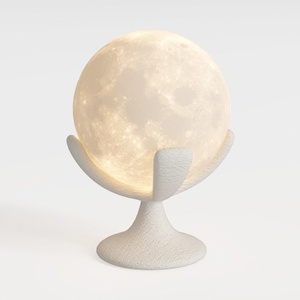


Rustic Solid Wood Halloween Pumpkin Wall Lamp With Floral Decor 3D Model
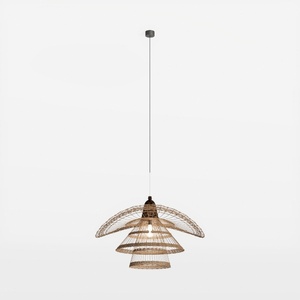
Bohemian Rattan Tiered Pendant Lamp 3D Model
Homestyler is your go-to online platform for transforming your home design dreams into reality. With its user-friendly design tool, stunning 3D renderings, and a wealth of DIY project tutorials, you'll find endless inspiration and ease in creating beautiful spaces—no experience necessary!
立即免费设计
































