

I simplify scent design by focusing on health, consistency, and effectiveness. A pleasant-smelling home thrives on managing odor sources, ensuring proper airflow, and selecting refills that provide a steady fragrance release. According to recent research by Gensler, air quality plays a crucial role in enhancing indoor experiences, which is strongly tied to both comfort and productivity (Gensler Research Institute). The WELL v2 framework also emphasizes the importance of low-VOC materials, efficient ventilation, and pollution source management as key strategies for achieving healthier living spaces (International WELL Building Institute). These principles influence my choices for refills, containers, and their arrangement.
Beyond health considerations, the psychological impact of scent and behavior cannot be ignored. Studies in color psychology indicate that fragrances can enhance mood—fresh citrus scents combine harmoniously with light, warm color schemes to boost energy, whereas lavender is paired with cooler tones to promote relaxation (Verywell Mind, color psychology). Additionally, research from Steelcase suggests that various subtle environmental factors—including light, sound, and scent—play a significant role in perceived comfort and overall satisfaction. This further validates the need for a reliable diffusion strategy that is steady and unobtrusive. With this understanding, I'll share my efficient methods for maintaining a beautifully scented home without overwhelming the senses.
Choose Smarter Refills: Oils, Gels, and Pods
- Reed diffuser oils: Look for phthalate-free, IFRA-compliant formulas; using fractionated coconut oil or dipropylene glycol (DPG) as carriers ensures a steady diffusion. Anticipate a lifespan of 6–12 weeks per 100 ml in environments with average humidity.
- Gel beads or solid cones: These work well in closets, shoe areas, and entryways; prioritize biodegradable gels and low-VOC fragrances. They are great for small zones that experience occasional door openings.
- Plug-in pods: Opt for units with adjustable outputs and automatic shut-off features. Vary fragrances seasonally to prevent olfactory fatigue—think citrus or herbal for spring and summer, while woods and spices are great for fall and winter.
- DIY essential oils: Mix 15–25 drops with 100 ml of carrier oil for gentler diffusion. Start with a lower concentration, particularly in compact spaces, and avoid allergens if there are pets or sensitivities in the household.
Match Scent to Room Function
- Entry & living areas: Use clean citrus, green tea, neroli, or soft fig. These scents create a welcoming atmosphere and help to mask transient odors from foot traffic.
- Kitchen & dining: Consider basil, mint, lemongrass, or mild grapefruit to neutralize cooking smells without interfering with food aromas.
- Bedroom: Opt for lavender, chamomile, or cedar to foster calmness; keep intensity low to prevent disturbances during sleep.
- Bath & laundry: Go for eucalyptus, rosemary, or oceanic scents for a fresh, clean feel; ensure compatibility with moisture-resistant carriers.
- Workspace or study: Use rosemary, peppermint, or subtle vetiver to sharpen focus. Keep diffusion minimal to avoid distracting from tasks.
Placement, Airflow, and the “Smell Path”
Instead of placing fragrance sources directly where the scent is concentrated, I align them with natural air currents. Position diffusers near central circulation areas that experience low foot traffic—console tables, edges of shelves, or corners by windows that attract gentle breezes. Aim to place them at mid-height (waist to chest level) to avoid overwhelming the scent perception. In elongated rooms or open spaces, create a subtle gradient by using one main diffuser along with a smaller one near the distant wall.
For new layouts or shifts in furniture arrangement, I assess scent distribution similarly to how I evaluate sightlines or clear spaces. If you are transforming your living room or workflow in an open-plan area, a room layout tool can assist you in visualizing furniture placements that optimize ventilation and airflow before positioning your sources: room layout tool.
Refill Timing and Rotation
- Visual check: Replace reeds when they appear dry or dusty; rotate them sparingly (1–2 times weekly) to avoid sharp, intense bursts of scent.
- Seasonal rotation: Transition from bright citrus notes in warmer months to richer resinous or woody scents during colder seasons; such shifts align with HVAC cycles and humidity variations that influence diffusion speed.
- Olfactory reset: Implement one scent-free day every few weeks in main living spaces to counteract nose fatigue and recalibrate scent intensity.
Neutralize First, Then Fragrance
Effective scent begins with eliminating unwanted odors: use a baking soda sachet in trash pull-outs, clean dishwasher seals on a monthly basis, and sun-dry textiles when possible. In closets, activated charcoal or cedar blocks can diminish moisture and musty smells. Only after addressing odor sources should I introduce fragrance; this ensures not battling persistent undesirable notes.
Healthy Diffusion and Safety
- Ventilation: Aim for natural dilution—crack windows 10–15 minutes each day when weather permits.
- Materials: Focus on low-VOC carriers and IFRA-compliant fragrance mixes. For users with sensitivities, stick to basic single-note essential oils at minimal concentration.
- Pets and kids: Ensure diffusers are placed out of reach; avoid using tea tree, clove, or oils with high phenolic content around pets. Always check that surfaces are sealed, as certain oils can damage raw wood or stone.
Light, Color, and Perception
The lighting conditions can greatly affect how scent is interpreted. Warmer light temperatures (2700–3000K) in living areas enhance the perception of cozy woody and gourmand notes, while neutral white light (3500–4000K) can emphasize the brightness of citrus and herbal fragrances in kitchens. Manage glare to ensure that warmth feels inviting, not heavy. This balance fosters visual comfort while keeping scent as a subtle background influence, not the focal point.
Acoustics and Cleanability
Soft materials like rugs, curtains, and upholstery do not just reduce sound but also retain scent. Opt for washable slipcovers or removable cushions in areas where you regularly diffuse. In bathrooms, choose smooth, sealed surfaces to facilitate a quick refresh of the scent profile, preventing stale build-up.
Storage and Refill Prep
Store refill bottles in a cool, dark cabinet. If you purchase in bulk, transfer to small amber bottles to minimize oxidation. Replace reeds every 2–3 cycles, as fiber reeds tend to provide a stronger capillary action than rattan, although they can be overpowering—use fewer sticks in smaller rooms.
Simple DIY Refill Formula
- Carrier: Combine 70% fractionated coconut oil or 70% DPG with 30% pure ethanol for a quicker scent release.
- Fragrance: Use a total load of 10–15% for most home applications; start with 8% for smaller rooms.
- Mix gently and allow to rest for 24 hours before use. Test diffusion with 3–5 reeds, then adjust as necessary.
When to Go Flameless vs. Candle
Resort to candles for brief gatherings; for everyday background scent, rely on diffusers, gels, or plug-ins. This strategy maintains a consistent base level and prevents overwhelming spikes in fragrance. If using candles, keep wicks trimmed to 1/4 inch and limit burning time to 1–2 hours to avoid soot and saturation.
Sustainability and Waste Reduction
Select refillable glass containers and bulk concentrates from trustworthy sources. Reuse fine-mist sprayers for refreshing linens (water + a few drops of essential oil + solubilizer). Only compost gel refills if verified biodegradable by the seller; otherwise, follow proper disposal guidelines. Having a small funnel, amber bottles, and marked dates ensures the process remains organized.
FAQ
Every 6–12 weeks for a 100 ml bottle, depending on humidity, temperature, and reed count. Replace reeds every 2–3 refills to maintain their capillary effectiveness.
Start with 2–3 reeds and a fragrance load of 5–8%. Increase the number of reeds or adjust the load only if the scent becomes barely perceptible after a couple of days.
Utilize adjustable units set to low and opt for low-VOC, IFRA-compliant refills. Implement a scent-free day every few weeks to minimize habituation and fragrance build-up.
Yes, but keep the total load moderate (10–12%) and verify compatibility with your carrier. Always patch-test on an inconspicuous area to prevent staining or damage.
Place one primary diffuser at a central airflow point, supplemented by a secondary micro-source at the opposite end. Steer clear of direct HVAC airflow and position at mid-height for stable diffusion. If you’re rearranging furniture, consider using an interior layout planner to visualize airflow paths beforehand: interior layout planner.
Warm lighting (2700–3000K) amplifies the cozy feel of resinous notes, while neutral-white light (3500–4000K) keeps citrus and herbal notes vibrant. Minimize glare for a pleasant, understated experience.
Use lavender, chamomile, and soft woods at low intensity. Refrain from heavy gourmand or highly citrus scents before sleep; they may be overly stimulating.
In the kitchen, utilize herbal or neutralizing scents (like basil, mint, lemongrass) while keeping diffusion gentle. Ventilate during cooking, briefly boosting the scent 20–30 minutes after.
Keep diffusers out of children's reach, avoid high-phenol oils, and ensure proper ventilation. Observe pets for signs of sensitivity and consult with a vet if uncertain.
Open windows for 10 minutes, wipe frequently touched surfaces, refresh textiles with a light linen spray, then rotate reeds once more. Light a candle for 45–60 minutes upon arrival, then extinguish it.
Use amber or opaque containers with secure lids, stored in a cool, dark location. Label blending dates and keep away from heat sources to reduce oxidation.
Indirectly. Research on environmental comfort indicates that scents are among several subtle cues influencing perceived wellness; frameworks like WELL v2 emphasize air quality improvements and low-VOC selections for heightened comfort.
What began as an Autodesk innovation has evolved into a design platform used by more than 18 million people around the globe. Homestyler combines powerful rendering, an intuitive editor, and a vast furniture library to help you turn inspiration into photorealistic designs — whether you're redesigning a single room or planning an entire home.

Minimalist Solid Oak Fabric Storage Sofa 3D Model

Minimalist Solid Wood Linen Fabric Extra Long Sofa 3D Model
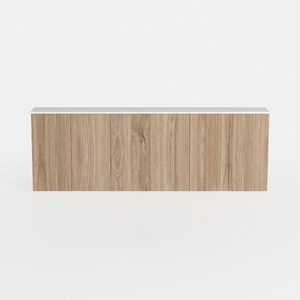
Minimalist Solid Oak Wood Wall Mounted Cabinet 3D Model
Looking to transform your home design dreams into reality? Try Homestyler! This user-friendly platform offers an intuitive online design tool, stunning 3D renderings, and a wealth of DIY video tutorials. Unleash your creativity and easily visualize your ideal space today!
Zaprojektuj teraz za darmo
































