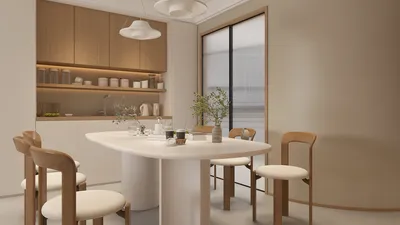


When it comes to hall lighting, I view it as both a navigational aid and a means of creating an atmosphere. Properly illuminated hallways not only reduce the chances of missteps but also clarify circulation while visually linking different rooms. The Illuminating Engineering Society (IES) suggests that residential corridors work best with illumination levels between 100–200 lux, which promotes safe navigation and enhances vertical lighting to facilitate facial recognition. Furthermore, Gensler’s research on workplace environments reveals that 84% of high-performing offices cite quality lighting as a critical factor in user experience, underscoring the significant impact of clear and comfortable lighting on our perceptions and movements within spaces.
The significance of color and comfort matches that of brightness. According to findings from Verywell Mind regarding color psychology, warm tones offer a welcoming ambiance, while cooler shades denote calm efficiency. For practical application, a color temperature of 2700–3000K is ideal for cozy residential halls, while 3000–3500K complements modern, gallery-like corridors. For health-oriented designs, I adhere to the WELL v2 standards stressing glare control and optimal color rendering (CRI 90+) which authentically represents finishes. This enhancement ensures that art, wood, and textiles appear as true-to-life as possible without harsh glare. For further insights on lighting principles and standards, check IES recommendations.
Creating Layered Hall Lighting That Looks Elegant Yet Simple
I initiate lighting design with three essential layers: ambient, accent, and task lighting. Ambient lighting provides the foundation—consider low-profile ceiling fixtures or cove lighting for an even, glare-free glow. Accent lighting adds visual interest, such as picture lights for artwork, wall washers that visually extend the hallway, or sconces strategically aligned to maintain rhythm. While task lighting is less prevalent in halls, it proves useful near built-ins, mail drop-off areas, or console displays.
In smaller hallways, I prefer shallow-flange or micro-profile ceiling mounts with opal diffusers. For longer corridors, a series of small, evenly spaced downlights with wide beam angles (60–90°) helps prevent bright spots on the walls. It’s also essential not to over-illuminate; I aim for 100–150 lux on the floor and utilize accent lighting to achieve 200–250 lux on vertical surfaces near artwork or doorways, ensuring consistency to prevent a tunnel effect.
Selecting Fixtures: Striking, Sleek, and Subtle Elegance
A sophisticated hallway doesn’t necessarily require chandeliers, although a striking pendant can certainly serve as a focal point in higher entryways. I start by evaluating ceiling dimensions: for ceilings measuring 8–9 feet, a semi-flush mount with a drop of 10–14 inches provides comfortable sightlines. In narrow hallways, I recommend fixtures under 12 inches in width to ensure free movement. To create an elegant touch, employing mixed materials—such as brushed brass, blackened steel, and frosted glass—introduces texture without causing glare.
If your hallway serves a dual purpose as a gallery, consider linear wall washers or asymmetric tracks to highlight the artwork beautifully. In classic homes, positioning paired sconces at 60–66 inches above the finished floor creates a warm glow; if the corridor is narrow, opt for fixtures with a shallow profile of under 4 inches. For minimalistic environments, think about knife-edge coves that hide LED strips (2700–3000K, high CRI, 1/2"–1" setback to prevent pixelation), producing a seamless ribbon of light.
Managing Glare, Heights, and User Comfort
Thoughtful hallways feel seamless because glare is effectively mitigated. I select fixtures with UGR-friendly optics, matte finishes, and appropriate lensing. It’s beneficial to maintain downlight cut-off angles around 35° or greater to minimize glare at standard eye levels. For sconces, shielding the light source is crucial—employ frosted glass, fabric, or micro-prismatic lenses for this purpose. Placement height also matters: center sconces around eye level for equilibrium; ensure pendant heights are at least 7 feet in passage areas; and adhere to ADA guidelines by keeping projections under 4 inches in tight residential spaces.
Color Temperature, Dimming Characteristics, and Evening Comfort
In well-used hallways, I prefer warm-white LEDs with accurate color rendering (CRI 90+, R9 > 50) to enhance skin tones and finishes. Connecting hallway circuits to dimmers with smooth low-end capability—ideally down to 1–5%—ensures nighttime navigation doesn’t inadvertently heighten alertness. For homes sensitive to evening illumination, warm-dim modules (3000K→1800K) create a candle-like ambiance at night without needing to change fixtures.
Accents That Enhance: Artwork, Niches, and Material Texture
Often, the elegance of a space arises from how light interacts with materials. I apply narrow beams to graze textured plaster or wood panels, casting subtle shadows while keeping overlaps tidy to avoid undesirable banding. When lighting art, opting for picture lights with 90+ CRI and suitable width (roughly 2/3 the width of the artwork) preserves true colors. If your hallway contains niches, recess micro-LEDs beneath the shelf at 2–3W per niche; the rhythm of small highlights conjures a boutique atmosphere without clutter.
Smart Controls and Space Efficiency
Well-implemented motion sensors can be quite sophisticated: setting a fade-on of 15–20 seconds and a vacancy delay of 3–5 minutes feels intuitive. I often segment circuits—keeping ambient lighting on one, and accent lighting on another—to alternate between day and night settings. Where energy regulations are in force, I find that vacancy sensors with manual activation are less intrusive than automatic on/off functions in residential hallways. If glare is a concern, choose sensors with remote photocells or position them away from direct sightlines.
Planning the Layout: Spacing, Rhythm, and Visual Harmony
To avoid a narrow, ‘runway’ effect, I utilize longer spacing intervals for downlights (approximately 1.2–1.5 times the ceiling height) and stagger their arrangement when space permits. Sconces make a greater impact when aligned with the rhythm of doors—either centering them between casings or maintaining consistency on one side for a gallery-style effect. When addressing tight spaces or furniture arrangements, employing a quick layout visualization tool can aid in assessing glare angles and clearances; utilizing a room planner can greatly simplify these decisions and hasten iterations.
Explore this interior layout planner for lighting mockups and corridor designs: Homestyler.
Choosing Materials That Reflect Light Beautifully
Lighting rewards subtle and thoughtful material choices. Satin finishes will diffuse light gently; however, highly polished surfaces can result in excessive glare if not used judiciously. I lean toward eggshell wall paints to maintain manageability while minimizing glare, opting for deeper hues in extensive corridors to create an illusion of shorter length. Select matte or honed flooring to diminish distracting reflections. If the color palette is warm, brushed brass or champagne-toned metals pair wonderfully with 2700K LEDs; for cooler schemes, blackened steel and opal glass maintain clarity in lighting around 3000–3500K.
Acoustic and Visual Comfort
Hard-surfaced hallways can generate echoing sounds. Introducing acoustic panels or fabric-wrapped artwork not only provides a serene feel but allows for brighter accents without harshness. I schedule dimming scenes for low-traffic periods, implementing late-night settings at 10–20% to create a gentle atmosphere during hall use. Glare, noise levels, and color harmonization work in tandem; when they are effectively balanced, even narrow corridors can feel deliberate and composed.
Maintenance, Longevity, and Sustainability
Select LED options that boast L70 lifespans of 50,000 hours or more, and whenever possible, look for replaceable drivers and durable finishes. Consider dim-to-warm or high-CRI options from reliable manufacturers, confirming flicker metrics (low flicker percentage and high frequency), and prioritize fixtures that allow for maintenance rather than those that are sealed and not serviceable. Implement controls that default to lower levels post-power failure to avoid unexpected bright lights at night.
Illustrative Hall Lighting Designs
• Ambient: Semi-flush fixture with opal diffuser at 3000K.
• Accent: Pair of fabric-shaded sconces at 64" above finished floor, CRI 90+.
• Detail: Picture lights illuminating two artworks, dimmed to 30% in the evening.
• Ambient: Recessed downlights with wide beams, spaced at 1.3× ceiling height, 3500K.
• Accent: Asymmetrical track lighting washing a feature wall, plus niche-mounted micro-LEDs in shelves.
• Detail: Warm-dim settings for nighttime ambiance at 15%.
• Ambient: Knife-edge cove fitted with continuous LED strip, at 2700K, CRI 95.
• Accent: A distinct sculptural pendant at the entryway with a 7 ft clearance.
• Detail: Utilizing a motion sensor with a gradual fade-on and manual shut-off feature.
Frequently Asked Questions
Q1: What brightness level is ideal for a residential hallway?
A: It's best to target 100–150 lux for floor lighting, with vertical surfaces near doors or artworks benefiting from 150–250 lux. This aligns with recommendations for corridors while ensuring a glare-free environment for navigation.
Q2: Which color temperature is best for a snug hallway?
A: A range of 2700–3000K will impart a warm, inviting atmosphere. For cooler finishes or if you desire a gallery effect, aim for 3000–3500K, which maintains cleanliness in whites while ensuring comfort.
Q3: How can glare be minimized in a narrow hallway?
A: Opt for fixtures equipped with diffusers or a deep recess, maintain cut-off angles around 35° or more, use matte finishes on fixtures, and ensure sconces are shielded or frosted to avoid exposing bare bulbs at eye level.
Q4: Are chandeliers suitable in hallways?
A: Yes, especially in larger or taller entries. Ensure a minimum clearance of 7 feet and select fixtures that complement the space. In tighter hallways, consider semi-flush mounts, slender pendants, or wall sconces to facilitate ease of movement.
Q5: What spacing should I maintain for downlights?
A: Generally, a spacing of 1.2–1.5 times the ceiling’s height (in feet) works effectively for lighting placement. Adjustments can be made based on the beam width—wider beams permit greater spacing without harsh scalloping.
Q6: Is high CRI necessary in hallways?
A: Certainly! Maintaining a CRI of 90+ with an emphasis on R9 optimizes skin tones, wood textures, and artwork presentations, making it especially crucial for areas displaying color-sensitive materials.
Q7: How can motion sensors enhance ambiance?
A: By programming a gentle fade-on effect (15–20 seconds), implementing a 3–5 minute delay after the last motion detected, and strategically positioning sensors to be less obvious while maintaining functionality. Opting for vacancy sensors with manual activation adds further comfort during evening hours.
Q8: What is the best height for installing sconces?
A: Typically, 60–66 inches above the finished floor provides a suitable reference point in residential hallways. Adjust height according to preferred sightlines and ensure that projections remain under 4 inches in constrained corridors.
Q9: Can I successfully mix metals without losing cohesion?
A: Absolutely! Harmonizing warm LEDs (2700–3000K) with brass or bronze, or cooler LEDs (3000–3500K) with blackened steel and nickel, is completely achievable. Repeating finishes at least twice enhances intentional design.
Q10: How can I light my artwork without damaging it?
A: Utilize LED fixtures with low UV/IR emissions and manage illuminance levels (150–200 lux) to protect artwork. Picture lights or wall washers offering a CRI of 90+ will ensure colors remain vibrant without excessive exposure.
Q11: What are the best controls for facilitating nighttime travel?
A: Features like low-end dimming to 1–5%, warm-dim modules, and preset scenes allow for reduced lighting during the nighttime. Ideally, separating ambient and accent circuits enhances flexibility in lighting configurations.
Q12: Any suggestions for sustainability when designing hall lighting?
A: Select long-lasting LED modules (L70 ratings ≥ 50,000 hours), serviceable drivers, and low-flicker options. Prioritize constructing fewer, high-quality fixtures to reduce waste and ongoing maintenance efforts.



Discover the creative possibilities with Homestyler! This user-friendly online home design platform offers an intuitive design tool, stunning 3D renderings, and a wealth of inspiring design projects and DIY video tutorials. Transform your home ideas into reality effortlessly and stylishly!
Diseño ahora GRATIS
































