


When it comes to ceiling design, I see myself as a subtle conductor, orchestrating the ambiance of a drawing room by regulating its flow, sight lines, and overall atmosphere. An effectively designed ceiling can significantly enhance comfort and create a positive mood, while also altering the perceived dimensions of the space. Research from Steelcase suggests that thoughtful sensory environments lead to improved wellbeing and engagement among individuals; in a home drawing room, this translates to heightened relaxation and stronger social interactions. The WELL v2 standard also emphasizes that quality lighting and sound management are crucial factors that ceilings can greatly impact.
Ceilings serve a function that goes beyond mere decoration. The Illuminating Engineering Society (IES) states that ideal ambient lighting levels for residential living areas typically range between 100 and 300 lux, while specific task zones may require between 300 and 500 lux. Achieving these lighting parameters becomes straightforward when the ceiling incorporates a thoughtful layering of light sources, such as cove lighting, downlights, and accent lighting that correspond with seating arrangements and circulation paths. Color psychology plays a role here too; as noted by Verywell Mind, warm white tones and soft neutrals can enhance tranquility and social interaction, while managing saturation levels can introduce personality without causing visual fatigue.
Float and Layer: Modern Coffers and Cloud Structures
Using floating clouds—either thin slabs or light gypsum panels—adds a sense of depth without overwhelming the space. In larger drawing rooms, I often implement shallow coffers (about 2–4 inches deep) imbued with indirect cove lighting to create the illusion of increased ceiling height. It's important to keep module sizes proportional: for a 12-by-16 foot room, spacing coffers at 3-by-4 feet often yields an aesthetically pleasing balance along focal sight lines. Coffers can also facilitate efficient lighting organization; ambient lighting can be recessed within the coffers, with accent lighting showcasing artwork and micro-spots illuminating side tables. For those who want to visualize their layout, a room layout tool like Homestyler can greatly assist in planning seating arrangements and lighting placement.
Soft Glow: Continuous Coves and Border Washes
Perimeter coves illuminated with LED strips create subtle gradients that highlight walls and crown details beautifully. My preferred color temperature is between 2700K and 3000K for a cozy social atmosphere, with a CRI of 90+ to accurately portray wood and textiles. It's advisable to mount the strips at least 2 inches from the edge to neutralize hot spots and include diffusers to minimize glare. The goal is to achieve 150–200 lux ambient lighting from coves alone, which can be complemented by dimmable downlights to ensure comfortable evening brightness. Continuous cove lighting can significantly reduce contrast ratios, alleviating eye strain in multi-functional spaces. Following the WELL v2 guidelines, the balance of light and minimal glare can be effectively achieved through indirect coves.
Acoustic Relief: Micro-Perforated Panels and Felt Baffles
A clear conversation is essential in any well-designed drawing room. I opt for micro-perforated gypsum or wooden panels above seating areas to absorb mid-frequency sounds. Additionally, felt baffles spaced 8 to 12 inches apart help control flutter echoes in elongated spaces. Placement is critical; ensure absorptive materials are positioned over main seating areas while reflective finishes (like timber slats and plaster surfaces) are kept towards circulation routes. This combination maintains a lively atmosphere without confusion. Utilizing a layout simulation tool can help analyze the positioning of baffles in relation to sofas and doorways, ensuring unobstructed sight lines.
Wooden Lines: Slatted Ceilings for Warmth and Rhythm
Incorporating timber slats adds warmth and an inviting rhythm to the space. I recommend using 1x2 or 1x3 slats with 1-inch gaps, backed with acoustic fabric for additional sound absorption. Arrange the slats parallel to the longest wall to visually elongate the room, or perpendicular to enhance the breadth over a fireplace. Installing linear LEDs between slats creates a sleek, low-glare illumination. Natural finishes like oak and walnut work harmoniously with muted wall colors, preventing the ceiling from overshadowing the overall palette.
Painted Planes: Two-Tone Ceilings and Color Strips
Utilizing color strategically can influence the behavior of those in the room. A soft neutral expanse paired with a deeper color band (6–10 inches wide) around the perimeter elegantly frames the space while softening high ceilings. According to insights from Verywell Mind, warm neutrals can foster sociability; thus, keeping saturation moderate is key for longer stints in the room. In smaller settings, lighten the center while allowing the edges to be darker; this method enhances the sense of space without requiring heavy architectural embellishments, resulting in a refined appearance.
Statement Geometry: Tessellations, Arches, and Curves
Gentle curves can soften the harsh lines of rectangular rooms while improving light distribution. A shallow barrel vault equipped with concealed LEDs produces a consistent glow, directing attention to prominent features. Striking tessellations like hexagons or triangles can provide visual interest; however, it is crucial to keep their size appropriate—tiles should remain under 24 inches across in medium-sized rooms to prevent visual clutter. Balancing bold geometric designs with simplified furnishings helps sustain a sense of harmony within the space.
Integrated Systems: Lighting, Controls, and Maintenance
The layering of lighting should feel seamless and user-friendly. I typically design three distinct circuits: for ambient (with cove or track lighting), task (downlights positioned over tables), and accent (for art or specific highlights), all equipped with dimmers. The IES guidelines indicate that accent lighting can be up to three times brighter than ambient light for emphasis without producing glare; therefore, it’s essential to carefully position these lights and use beam spreads between 15 and 25 degrees for artworks. Ensure easy access to driver and junctions, and strategically plan airflow around HVAC registers to prevent ceiling discoloration. Smart lighting controls with preset settings like “gather,” “reading,” and “movie” can significantly enhance everyday living.
Materials and Sustainability: Thoughtful Choices
The materials chosen for ceilings impact both visual appeal and indoor health. Opting for low-VOC paints aids in sustaining indoor air quality, while sourcing FSC-certified timber delivers warmth in a responsible manner. Recycled PET felt can provide acoustic benefits while being environmentally friendly. Be cautious with metallics or glossy finishes, as they can generate excessive glare. Combining durable finishes with manageable details, such as removable LED channels and modular panels, aids in extending the wear of these ceiling systems.
Proportion and Balance: Achieving Correct Scale
Design elements in ceilings must respect the dimensions of the room. For ceilings standing 9 feet high, any drops should remain under 4 inches to avoid an oppressive sensation. Center key features along seating lines rather than relying solely on the room’s geometric center. Utilizing odd-numbered arrangements, such as three cloud panels or five slat bays, promotes a natural rhythm. When a drawing room connects to adjacent spaces like a dining room or foyer, it’s best to maintain a unified ceiling style while adjusting depth: shallower transitions and richer textures above seating create a sense of spatial hierarchy.
Practical Detailing: Edges, Joints, and Glare Management
Neat edges lend a purposeful feel to a ceiling design. Shadow-gap trims (ranging from ⅜ to ½ inch) ensure a crisp boundary and address minor discrepancies in alignment. Opt for matte or satin finishes to reduce glare, particularly in proximity to windows. Downlights should be positioned at least 18 inches away from walls to prevent streaks and pointed away from shiny frames. For those coordinating intricate layers, tools like Homestyler can assist in aligning lighting grids with both furniture arrangements and circulation patterns.
For readers seeking comprehensive guidelines, WELL v2 articulates standards for lighting and acoustic comfort, outlining optimal practices for managing glare, flicker, and sound. Simultaneously, the IES offers recommendations on appropriate illuminance levels and contrast ratios to ensure that ceiling designs remain both aesthetically pleasing and conducive to wellbeing.
FAQ
Q1: What is the most suitable color temperature for a drawing room ceiling?
A: A temperature of 2700K to 3000K creates an inviting atmosphere ideal for evening use. Maintaining a CRI of 90+ ensures accurate representation of wood and textiles, and the use of dimmers allows for a transition from bright entertaining to relaxing moods.
Q2: What is the optimal brightness for a room?
A: Aim for ambient lighting levels of 100–300 lux in living areas and 300–500 lux for reading or games. By combining coves, downlights, and floor lamps, you can achieve a layered lighting effect that minimizes glare.
Q3: Are coffered ceilings appropriate for lower height spaces?
A: Certainly! Keeping coffers shallow (2 to 3 inches) with indirect lighting can lift the visual height of the room. It’s best to avoid heavy moldings and instead focus on clean, simple lines.
Q4: What can help reduce noise during gatherings?
A: Utilizing micro-perforated panels or PET felt baffles above seating areas can diminish echo. Pairing these with rugs and furniture that absorbs sound creates a balanced acoustic environment.
Q5: How can I mitigate glare from downlights?
A: Employing matte finishes, wide-beam fixtures equipped with diffusers, and ensuring lights are placed 18 inches from walls can greatly lower glare. Indirect cove lighting provides an excellent method for softening sharp contrasts.
Q6: Are timber slats compatible with modern interior design?
A: Absolutely. Reduce the profile to be slim (1x2 or 1x3) and incorporate linear LEDs with neutral finishes like natural oak to harmonize with contemporary interior styles.
Q7: Which smart controls are most effective?
A: Setting up preset scenes—such as “gather,” “reading,” and “movie”—across separate circuits (ambient, task, accent) ensures smooth transitions. Employing dimmable options helps maintain visual comfort while conserving energy.
Q8: How should I plan ceiling features relative to furniture?
A: Features should align with seating arrangements and critical sightlines rather than merely centering on the room. Utilizing a room design visualization tool can help test lighting logistics and circulation compatibility.
Q9: Is a curved ceiling a practical choice?
A: A shallow barrel vault or soft arch can be a practical choice if combined with hidden LEDs and carefully scaled. Curves visually soften a space and facilitate even light distribution.
Q10: What sustainable materials are suitable for ceiling design?
A: Low-VOC paints, FSC-certified wood, and recycled PET felt are excellent options. Always design with upkeep in mind, incorporating modular components and accessible light channels for easier maintenance.
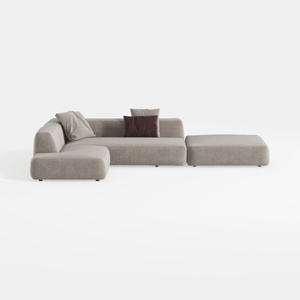
106" Cloud Sectional Couch with Chaise Lounge


Bird's Nest-Shaped Hand-Woven Light Gray Aluminum
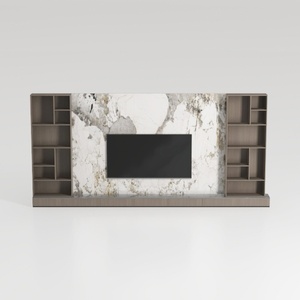
Rustic White Shoe Cabinet Storage with 2 Flip
Discover your interior design potential with Homestyler! This user-friendly online platform offers an intuitive design tool, stunning 3D renderings, a rich collection of design projects, and helpful DIY video tutorials. Transform your space effortlessly, whether you're a beginner or a seasoned designer!
立即免费设计
































