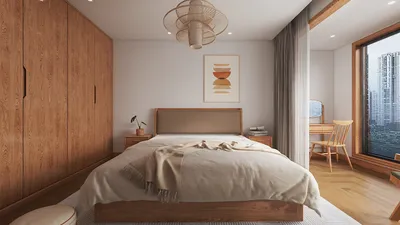


When considering elegant wallpaper, I view it as both a visual canvas and a central aspect of the room’s design: it should enhance the space's proportions, coordinate with natural light, and subtly influence the ambiance. In living areas, true elegance goes beyond just the selection of patterns—it’s the interplay of scale, textural contrasts, sheen, and color harmonizing with furniture arrangement and everyday functionality. Numerous studies indicate that our surroundings significantly impact our mood and comfort levels; for instance, WELL v2 emphasizes the importance of visual comfort for cognitive functioning, while a study by Steelcase shows a connection between thoughtfully designed spaces and increased user satisfaction and productivity. A well-crafted wallpaper scheme achieves this balance effectively, especially when exploring tools like Homestyler for layout visualization.
Choosing colors and patterns becomes more effective with insightful guidance. As highlighted in Verywell Mind’s analyses of color psychology, shades of blue and green are known to alleviate stress, while warm muted tones provide an inviting atmosphere—essential for living rooms that serve dual purposes of hosting and relaxation. WELL v2 also points to the significance of minimizing glare and ensuring proper light reflectance to boost visual comfort. Such information aids in deciding the appropriate sheen and depth of colors, ensuring that wallpapers complement both natural daylight and artificial evening lighting instead of clashing with it. Utilizing a room layout tool like Homestyler can help quickly assess the spatial balance before making any final decisions.
Elegance Defined: Scale, Restraint, and Flow
The essence of elegance lies in restraint. I establish a clear focus within the room: typically, a single feature wall (often located behind the main sofa) showcases a refined pattern, while the surrounding walls adopt a coordinating solid, grasscloth, or subtle texture. In spacious rooms with tall walls, larger motifs can feel chic; whereas in smaller spaces, mid-scale geometric designs or tonal florals can introduce rhythm without overwhelming the area. Ensure that any repeating elements align harmoniously with the furniture dimensions—if your sofa measures 84 inches, choose a wallpaper pattern whose main repeat doesn’t disrupt that visual span.
Material Choices: From Paper to Vinyl
The choice of material can significantly impact both the appearance and durability of the wallpaper. Classic paper works well for low-traffic areas and finely crafted designs. Nonwoven options (a mix of cellulose and polyester) are easier to handle and remove—ideal for spaces that may change frequently. Grasscloth adds a layer of organic texture and richness, though its visible seams are part of its unique charm; it can be beautifully balanced with sleek glass or metal accents. For high-traffic family rooms, performance vinyls are preferable due to their resistance to wear and ease of cleaning. Prioritizing sustainability is important as well—look for low-VOC inks and recycled materials, and always check the manufacturer's specifications rather than relying solely on marketing claims.
Light, Sheen, and Visual Wellness
Lighting plays a pivotal role in showcasing wallpaper. Glossy finishes can reflect light, and in environments with strong natural light or focused lighting fixtures, high sheen may lead to glare and hotspots. WELL v2’s insights on visual comfort recommend opting for matte to eggshell finishes on main walls to mitigate eye strain. I suggest conserving shiny elements for accent areas where they are less likely to clash with direct light. For evening settings, combining ambient lighting at a temperature of 2700-3000K with warm task lights can enhance color richness without veering too yellow. Aim for balanced vertical illumination so that patterns are clearly visible from various angles.
Understanding Color Psychology Beyond Stereotypes
Elegance does not equate to a lack of color. Soft shades of sage, deep blues, and muted mauves bring richness while fostering serenity. According to Verywell Mind’s overview on color psychology, blues and greens are often linked to relaxation; I balance these hues by incorporating warm metals (such as brushed brass) or natural wood elements to achieve a welcoming environment rather than a sterile one. When hosting, consider introducing a gentle terracotta or oxblood pattern on a feature wall, echoed in accompanying textiles. The secret lies in tonal harmony—select a primary color, a subtle near-neutral, and an accent in limited quantities for a refined look.
Pattern Strategy: Orientation, Repeats, and Scale
Vertical patterns can help lift the appearance of low ceilings, while horizontal designs tend to make narrow spaces feel wider. When specifying wallpaper repeats, take both horizontal and vertical measurements and align them with wall dimensions to avoid clashing at openings. For instance, if a striking botanical pattern has a 25-inch repeat, plan your layout so that the focal designs sit neatly above key pieces like mantels or are centered behind sofas. In open-concept living rooms, consider integrating a subtle micro-pattern into adjoining dining areas to maintain continuity without duplicating the intensity of the design.
Acoustic and Tactile Tranquility
Textured vinyls, cork, and grasscloth not only beautify but also help absorb sound, reducing echoes in rooms with hard surfaces. While wallpaper alone won't serve as a direct substitute for dedicated acoustic panels, combining layered textures (such as area rugs, drapes, and upholstered furniture) with textured wallcoverings can enhance auditory comfort—supporting the principle that multi-sensory environments promote productivity and well-being, a concept reinforced by research from Steelcase.
Integrating Ergonomics with Aesthetic Appeal: Sightlines and Seating Arrangements
Before finalizing a feature wall, I sketch sightlines from both seated and standing perspectives. The bold pattern chosen for a sofa may create competition against the television backdrop. It’s advisable to keep the TV wall more subdued—opt for a soft linen-effect or matte grasscloth—to reduce visual distractions. Position key motifs based on primary seating arrangements to alleviate visual tension. If experimenting with layouts, an interior planner like Homestyler can aid in visualizing the balance between artworks, furnishings, and patterned walls.
Precision in Installation: Edges, Seams, and Corners
The elegance of wallpaper often lies in the details around the seams. When ordering, account for an additional 10–15% to manage pattern matching and potential waste. Prepare walls by priming, smoothing out any textures, and ensuring a clean finish. Beginning the installation from the least noticeable corner and working toward prominent areas ensures a seamless look. For grasscloth, it's vital to color-balance the panels (dry-lay and rotate them) as dye lots can differ. Use metal corner beads and wrapping techniques on exterior edges to maintain sharp lines. The accuracy in dimension around outlets and trim work elevates the overall room aesthetic.
Maintenance and Longevity Considerations
Align your wallpaper care with your lifestyle. If you frequently entertain or have children, selecting scrubbable finishes rated by the manufacturer for cleanability is crucial. Employ microfiber cloths and pH-neutral cleaners on vinyl materials and minimize saturation for natural fibers. Due to UV exposure causing color fading, utilize lined curtains or UV-filtering films on south-facing windows if your design includes delicate dyes. Planning for future updates can be made easier with nonwoven backings that allow for clean removal without damaging the underlying walls.
Harmonizing Wallpaper with Furniture and Artwork
Let one design element take precedence. If the wallpaper is the focal point, opt for upholstery featuring textured, solid weaves, introducing patterns only in smaller accessories such as pillows or throws. For spaces dominated by art, choose a quieter, tonal background—perhaps herringbone linen or a nearly plain geometric design—to complement gallery walls. Maintain plenty of negative space; ensure intricate wallpaper designs have around 18–24 inches of clearance around significant pieces of art or mirrors to prevent visual clutter.
Emerging Trends: 2024-2025 Perspectives on Elegance
The latest trends are leaning towards elevated botanical designs within subdued color ranges, hand-drawn geometrics featuring imperfect lines, and mineral-inspired textures (like travertine and mica) explored through delicate prints. Matte metallic inks—favoring brushed tones over shiny finishes—ensure depth without causing glare in evening settings. Sustainability remains key, with recycled material papers and water-based inks transitioning from niche products to mainstream choices, reflecting the broader goals of wellness and transparency in materials.
Effective Sample Palettes
- Deep indigo grasscloth paired with walnut, antique brass, and cream boucle
- Sage silk-linen textures alongside light oak, aged bronze, and bone linen
- Soft terracotta strié combined with blackened steel, linen-white walls, and an ecru wool rug
- Warm gray mica fleck coordinating with charcoal velvet, travertine, and smoked glass
Common Mistakes to Avoid
- Applying bold patterns on all four walls in small spaces; prefer a feature wall with complementary tones.
- Overlooking the direction of light; test large samples at various times to observe changes.
- Using high-gloss finishes behind a TV; opt for matte options to minimize glare.
- Neglecting wall preparation; remember that textures can show through thin papers.
- Failing to align patterns at focal points; always map and dry-fit prior to installation.
Frequently Asked Questions
Q1: What wallpaper finishes are best for reducing glare in bright living rooms?
A: Matte and eggshell finishes are effective in managing reflections, consistent with the visual comfort principles outlined by WELL v2, especially for walls facing direct sunlight or harsh sconces.
Q2: Which colors convey elegance while promoting calmness?
A: Softer shades of blue and green are largely regarded as calming according to color psychology studies from Verywell Mind. Combine these hues with warm neutrals and natural wood tones to create an inviting palette.
Q3: Does wallpaper enhance acoustic properties?
A: On its own, the enhancement is minimal. However, textured coverings such as grasscloth or cork can provide minor sound absorption; pairing them with rugs, curtains, and plush seating offers better results for noise reduction.
Q4: Is grasscloth practical for homes with children?
A: It's beautiful yet delicate. For areas that experience high traffic or homes with young kids, consider a textile-backed vinyl that resembles grasscloth for better durability and ease of maintenance.
Q5: How should I select the scale of patterns for a compact living room?
A: Use mid-scale patterns to add rhythm without overwhelming the space. Ensure repeats align with the widths of your furniture and avoid overly tight designs to maintain visual calmness.
Q6: Where is the ideal location for a feature wall?
A: Typically, this should be behind the main sofa or facing the entry to anchor sightlines. Opt for quieter patterns on TV walls to lessen competition and reflections.
Q7: What is the best color temperature for evening lighting?
A: Aim for ambient light in the 2700-3000K range to ensure that colors on the wallpaper remain rich while fostering a relaxed atmosphere in the evening.
Q8: How much extra wallpaper should I purchase?
A: Budget for an additional 10–15% to accommodate for pattern matching, cutting, and future repairs—this is especially crucial for larger patterns and natural materials.
Q9: Is it possible to combine two different wallpapers in one living space?
A: Certainly—select a bold pattern for the feature wall and coordinate it with a subtle texture or solid on adjacent walls to keep things cohesive.
Q10: What type of wallpaper backing allows for easy removal in the future?
A: Nonwoven materials are known for their straightforward installation and typically peel away cleanly in larger sections, simplifying future updates.
Q11: Will metallic inks invariably create glare?
A: Not necessarily, if applied with intention. Opt for brushed finishes that are matte rather than reflective and avoid direct light sources; they can provide depth without harsh reflections.
Q12: How can I protect wallpaper against sun-induced fading?
A: Utilize lined curtains, UV-filtering materials on southern windows, and prioritize inks with high lightfastness ratings if using sensitive dyes on your wallpapers.

Modern Velvet Curved Sectional Sofa with Throw Pillows and Ottoman 3D Model
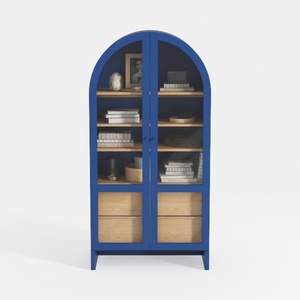
Modern Blue Frame Solid Wood Arched Glass Display Cabinet 3D Model


Modern Artisan Blue Resin Stone Texture Coffee Table 3D Model
Homestyler is an exceptional online platform for home design enthusiasts. With its user-friendly design tool, stunning 3D renderings, and a wealth of DIY video tutorials, you can effortlessly create and visualize your dream space. Transform your home design ideas into reality with ease!
Diseño ahora GRATIS
































