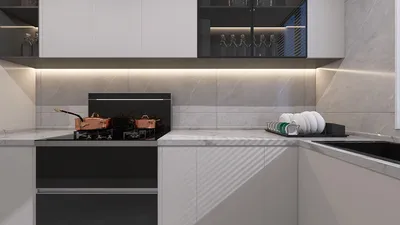


I have successfully organized pop-up events, outdoor galas, and rapid turnaround banquet services that relied on a rented kitchen to manage operations. The key lies in synchronizing the menu, capacity, and workflow with dependable rental equipment, while strategically planning a layout to maintain control over heat, moisture, noise, and foot traffic.
Decisions regarding performance should be grounded in human behavior and validated workplace data. For instance, Herman Miller's studies on movement dynamics indicate that well-defined movement paths can reduce stress and errors; minimized cross-traffic leads to shorter service delays. Lighting also plays a crucial role: meeting the IES recommended illumination levels of over 500 lux at work surfaces greatly enhances task accuracy, thereby decreasing the likelihood of errors in food preparation. Such parameters influence my rental checklist, impacting everything from station spacing to lighting and electrical supply.
My Essential Planning Framework
I approach event planning through four perspectives: Menu & throughput, Site utilities, Safety & compliance, and Service choreography. For larger gatherings, I utilize a layout design tool to quickly verify aisle widths, hot–cold separation, and plating lines prior to finalizing the rental equipment order.
1) Menu and Throughput as Primary Drivers
The equipment needs to match the menu. For high-searing dishes, I prioritize double-stack convection ovens, combi ovens that feature steam injection, and one or two 36-inch griddles to speed up processes. Conversely, for cold-centric menus, I require upright refrigerators that maintain tight temperature controls and ample insulated catering boxes. When catering to 200 attendees with a three-course plated service, my typical requirements include: 2 to 3 ovens (or a combination of a combi and convection oven), a 6- to 8-burner range, a 36-inch griddle, a hot holding cabinet for every 100 plates, and at least 40 linear feet of stainless steel tables for plating and serving.
2) Streamlined Power, Propane, and Venting Solutions
Effective electrical planning is essential to prevent significant event disruptions caused by nuisance trips and inadequately heated equipment. I map circuit loads to ensure that high-demand equipment operates on dedicated circuits. Ovens, induction ranges, and holding cabinets frequently require 20 to 30 amps each, so I confirm requirements with the rental specifications. I only resort to propane when proper ventilation and safety measures are guaranteed. When open flames aren't feasible, induction cooking steps in as an efficient solution: it’s fast, controllable, and keeps the work area cooler, enhancing overall comfort and performance.
3) Strategic Work Zones and Flow to Avoid Traffic Jams
I delineate five functional zones: receiving, cold preparation, hot line, plating/pass, and dish return. To minimize congestion, I ensure at least 48 inches between parallel work areas, increasing to 60 inches if both sides utilize carts. Cross-traffic can severely impact timing, so I establish a one-way flow from receiving through to serving. To ensure team consistency, I design the layout using a layout planner and circulate it in advance, so leads can brief their teams prior to setup.
4) Optimized Lighting and Visibility for Efficiency and Safety
Using portable task lighting over preparation and plating areas cuts down on errors in garnishing and presentation. I aim for levels between 500 and 750 lux at workspaces, using neutral to cool white lighting (4000–5000K) for clarity; glare is managed using diffusers and strategic lamp placement out of direct sightlines. Complying with IES standards for task lighting has been shown to significantly lower mistakes during high-volume service.
5) Ensuring Acoustic and Thermal Comfort to Enhance Team Performance
Rental tents and ballrooms are often acoustically reflective, leading to increased noise levels. I recommend using rubberized feet on tables, silicone mats, and soft bins positioned near serving areas to absorb sound spikes. It’s also essential to keep the hot line separate from dish returns and utilize fans to dissipate heat away from employee stations. Comfort directly influences morale and precision, as highlighted by findings from Herman Miller that link stable temperatures to improved focus.
Essential Rental Equipment Inventory
- Combi or convection ovens (double-stacked for 150+ guests)
- 6–8 burner range or induction hobs (safer in compact venues)
- 36-inch griddle for quick searing and reheating buns
- Hot holding and proofing cabinets (one for every 100 plated mains)
- Induction warmers or chafer options for safe buffet settings
- Upright reach-in and undercounter refrigerators (verify swing clearances)
- Ice bins and high-capacity ice machines as needed
- Insulated carriers (cambros) for point-of-service distribution
- 30–36-inch deep stainless steel tables at a working height of 34–36 inches
- Speed racks, sheet pans, and hotel pans with lids
- Heat lamps or strip warmers over the serving area
- Label makers, timers, and color-coded cutting boards
Dish, Sanitation, and Safety Practices
- High-temperature dishwashing machines or triple sinks equipped with on-demand heaters
- Bus tubs and slop sinks with floor protection mats
- Class K fire extinguishers near the hot line and a first-aid kit
- Non-slip mats and cord covers for pedestrian areas
- Food-safe sanitizers and verification strips
Layout Strategies for Various Event Types
- Two parallel plating lines bordering a central serving area
- Position the hot line 10–15 feet away from pass to control heat transfer
- Provide one hot box per 100 plates located within 10 feet of the serving line
- Maintain 48–60 inch aisles to facilitate the movement of large equipment and speed racks
- Place induction tops and carving stations away from the guests’ path
- Designate a discreet back-of-house finishing line for refills
- Noise management solutions, such as silicone bumpers where chafer lids meet
- Optimize vertical storage options; utilizing foldable racks and undershelf speed rails
- Induction cookers and combi ovens for efficiency in limited spaces
- Clear trash and compost pathways to avoid disrupting the cooking triangle
Power and Utility Planning Essentials
- Verify voltage, phase, and amperage with the venue; confirm plug compatibility beforehand
- Balance electrical circuits; ensure heat-generating equipment remains isolated from lighting circuits
- Route power drops along the perimeter with cord ramps crossing aisles at right angles
- When involving generators, position them downwind and isolate them to minimize noise in service areas
Lighting Design Enhancements That Yield Results
- Use task lights in the 4000–5000K range over prep areas for accurate color representation
- Clip-on battery-operated work lights for mobile garnish teams
- Avoid backlighting staff in serving areas to ensure clear signaling
- Install dimmer packs to control front-of-house lighting spill and prevent boisterous glare from back-of-house activities
Human Factors and Ergonomics in Event Setup
- Table heights should be 34–36 inches for prep and 38–40 inches for plating, minimizing the need to bend down
- Store commonly used pans and utensils between knee and shoulder height for easy access
- Rotate stations every 60–90 minutes during peak periods to mitigate fatigue
- Lighter pans at repeated use stations help protect wrists from strain
Material Choices and Sustainability Considerations
- Favor induction technology to cut down on heat and energy loss
- Opt for reusable gastronorm lids instead of single-use film for large service occasions
- Employ durable, washable linens or silicone mats over disposable grip pads
- Source biodegradable tasting items only when on-site washing is impractical
Vendor Coordination and Load‑In Strategies
- Request detailed specifications including plug types, BTU/amp consumption, space requirements, and clearance needs
- Stagger deliveries: begin with refrigeration, followed by heavy cooking equipment, and finally setting up tables and smallwares
- Develop a labeled staging map to guide drivers to the appropriate zones upon arrival
- Conduct test runs on every heating source and document temperatures during a 30-minute trial phase
Contingency Plans for Event Management
- Always keep an extra induction hob and speed rack available on larger jobs
- Maintain a reserve of dry ice for unexpected power outages that may disrupt cold storage
- Appoint a designated troubleshooter equipped with a multimeter and spare breakers/fuses
Run-of-Show Dynamics: Staffing and Sequencing
- A lead chef manages the serving area; one runner is allocated for every 50 guests in plated services
- One utility worker for every 75 guests to assist with dish collection, waste disposal, and water refreshing
- Conduct 15-minute temperature checks on hot and cold food items and log readings at the service area
- Utilize silent signals, such as hand taps or colored tickets, to minimize noise at the serving line
Post-Event Breakdown Procedures
- Completely cool down equipment prior to moving, ensuring to drain water from combi ovens
- Account for all smallware items against check-in lists
- Take photographs of any damage prior to packing, tagging them for vendor clarity
- Keep aisles clear; prioritize that power is cut off last, only lighting remains active
Quick Specification Templates
- 1 combi oven + 1 convection, 8-burner range, 36-inch griddle
- 2 hot boxes, 2 speed racks, 50 feet of stainless table space
- 2 upright reach-ins + 4 insulated cambros
- 12 task lights, 6 induction warmers positioned at the pass
- 2 convection ovens, 6 induction hobs, 2 carving lamps
- 3 hot boxes, 3 speed racks, 60 feet of table space
- 3 upright freezers + ice machine, 8 insulated cambros
- 10 task lights; dimmable front-of-house lighting
FAQ Section
Add the amperage draw of each appliance and distribute across dedicated circuits. Ovens and holding cabinets typically draw 20–30 amps each, while induction hobs have a range of 15–20 amps. Ensure loads are balanced to avoid sharing circuits with lighting to prevent overloads.
Aim for illumination between 500–750 lux at preparation and serving areas, employing 4000–5000K color temperatures for accurate color perception as recommended by IES standards.
Yes, indeed. Induction cooking is efficient, ideal for compact environments, reducing ambient heat, and bypassing much of the ventilation concerns. However, retain a few gas units if open flame cooking is essential and ventilation can be confirmed.
Plan approximately one full-sized heated cabinet for every 100 plates, strategically placed within 10 feet of the serving area to maintain optimal temperatures during service.
Maintain at least 48 inches for single-direction cart movement and 60 inches for two-way traffic or active speed racks. Establishing clear, single-directional flow is critical to reducing error rates, a principle supported by Herman Miller's research.
Implement rubber feet on tables, utilize silicone landing pads, establish soft bins close to serving areas, and avoid positioning dish returns adjacent to the hot lines to reduce disturbances that distract the staff.
Many issues arise from electrical misunderstandings. Mismatched plugs, shared circuits, and unprepared spare breakers lead to unnecessary downtime. Always map loads and perform fire tests during set-up.
Set up upright refrigerators first, pre-chill them, use insulated transport boxes for remote service points, and ensure door openings are kept brief. Maintain a reserve of dry ice for emergencies.
Utilize clamp-on LED task lights with diffusers, magnetic bases for steel workstations, and battery-operated lights for mobile garnish teams. Avoid glare that might obstruct the sightlines to serving areas.
Prioritize a straight-line workflow from cold prep to hot lines and then to serve, incorporating vertical storage and collapsible racks. Validate the footprint through a layout design tool prior to ordering your equipment.
Homestyler's roots trace back to Autodesk, the global leader in design and engineering software. That heritage lives on in every feature we build. Today, with a community of more than 18 million users worldwide, Homestyler continues to make professional-quality interior design accessible to everyone — from first-time decorators to seasoned architects.
Looking to transform your space? Homestyler is your go-to online home design platform! With its user-friendly design tool, stunning 3D renderings, and a wealth of inspiring design projects and video tutorials, you'll effortlessly create the home of your dreams. Dive in and start designing today!
Progetta ora GRATIS
































