


Having spearheaded over a hundred residential and small-office relocations, I've identified a common formula among the most efficient moves: a well-organized task sequence, optimal packing windows, and a validated floor plan. Speed is a function of method, not just strength. Supporting this notion, recent workplace studies, including those from Steelcase, indicate that carefully crafted environments minimize transition challenges and enhance a sense of control, ultimately reducing stress and expediting adaptation. Effective lighting planning ensures smoother transitions; the IES suggests aiming for 300–500 lux for general activities, facilitating accurate labeling, sorting, and verification tasks while minimizing fatigue.
The importance of comfort during a move cannot be overstated. As outlined by the WELL Building Standard (WELL v2), managing glare and ensuring the right color temperature, ideally between 3000–4000K for task areas, boosts alertness and comfort in periods of transition. According to Gensler’s research, well-defined spatial intentions correlate with quicker acclimatization; designated areas for staging, unpacking, and waste disposal help eliminate unnecessary work and reduce walking distances. I've discovered that maintaining a 60/30/10 ratio for staging, circulation, and immediate-use areas keeps the energy flowing throughout the moving day.
Colors influence both mood and behavior significantly. According to a color psychology overview by Verywell Mind, shades of blue and green help alleviate stress and enhance sustained focus, making them ideal for labeling areas and checklists. To highlight priority boxes without overwhelming visuals, incorporate warm accents. Additionally, practicing ergonomic principles—maintaining neutral wrist positions, lifting correctly with your legs, and keeping loads close—aligns with safety recommendations and dramatically reduces downtime caused by physical strain.
Fast-Track Framework: Transforming Space Efficiently
Preparation is key even before you begin packing. Gather all necessary details in your room shifting application: precise room dimensions, widths of doors and corridors, elevator specifications and bookings, loading paths, wall restrictions, counts and locations of outlets, Wi-Fi signal strength in various corners, and any designated quiet hours. Establish your timeline across three phases: preparation (2–7 days), moving (1 day or divided into AM/PM shifts), and stabilization (within 24–72 hours). If multiple rooms are involved, prioritize the sequence based on dependencies: utilities first (electric/data), heavy furnishings next, followed by focus stations and accessories.
Visualize your layout and assess circulation paths. Using a straightforward interior layout planner, you can manipulate elements like doors, windows, and radiators, and measure the turning radii of larger items. When simulating paths from the entry to their final destination, I aim for less than 25% overlap between teams to avert congestion. Should you be arranging furniture or checking clearances, utilizing a room design visualization tool, such as the Homestyler, can assist in preemptively identifying and addressing potential bottlenecks.
Critical Data Pack: Measurements, Loads, and Responsibilities
Double-check measurements to save time. Catalog all furniture with dimensions (width/depth/height) and weight classifications (light <10 kg, medium 10–25 kg, heavy >25 kg). Identify any pieces that might not fit through the smallest door or corridor; prepare for angled turns as necessary. For vertical moves, secure elevator access early and arrange loads to make each trip maximally efficient yet safe. It’s crucial to appoint one point of contact to authorize each zone. I employ color-coded tags corresponding to new room zones—blue for walls and storage, green for work surfaces, and amber for essential-use boxes—to minimize searching post-unload.
Lighting and Clarity: Strategies to Avoid Rework
Implementing temporary task lighting can greatly lessen the chances of mislabeling and incorrect placements. Maintain a brightness of 300–500 lux at packing stations, using neutral white light (3500–4000K) to keep labels color-accurate, and ensure at least one glare-free light source directed towards the staging area. If there is ample natural light, plan your packing for daytime; otherwise, a portable LED panel will do. Position lights so they are perpendicular to work surfaces to minimize reflections that could obscure visibility.
Acoustic and Neighbor-Conscious Planning
Noise often goes overlooked in moving checklists, yet it can derail schedules due to neighbor complaints. Ensure that high-impact activities take place during permitted hours. To mitigate sound, use acoustic runners (even old rugs) in hallways, wrap metallic legs with felt or coroplast, and cover open shelves with blankets to prevent rattling. Employ soft-close pads on doors to prevent slamming, which can adversely affect morale as the day progresses.
Ergonomic Workflow: Preserving Energy Beyond Furniture
Set packing stations to a suitable height (around 36 inches/91 cm for most adults). Rotate roles every 45–60 minutes to avert exhaustion. Arrange heaviest items nearest to the exit. Store tools in a designated shadow board, keeping essentials like tape, blades, zip ties, and markers readily accessible. For oversized items, plan for a two-person lift with synchronized commands ("Ready, Lift, Pivot, Place"). Keep the load's center of gravity close and maintain clear sightlines throughout the process.
Material Strategy: Effective Protection, Minimal Waste
Opt for robust, reusable protection materials: moving blankets, corrugated corner protectors, and stretch film for bundle securing. Rather than adhering labels directly to finishes, utilize removable painter’s tape. When handling rugs, roll them with the pile facing inward, securing them with fabric straps. Assemble a compact toolkit that includes furniture sliders, felt pads, surface-safe adhesives, and touch-up markers. If sustainability is a concern, establish a recycling zone and a donation area to sort items as you unpack, preventing any unnecessary landfill waste later.
Color Coding and Navigation
Develop a move legend where every zone is assigned a unique color and symbol (desk, shelf, closet). Display the legend at the entry point and main staging area. Use arrows created with painter’s tape on the floor to guide movement and reduce the need for verbal directions. When multiple rooms are receiving items, designate letters for the rooms and numbers for item sequences (e.g., B‑03 for Bedroom B, storage zone, item 3). This reduces cross-talk and maintains an efficient pace.
Day-One Schedule: The 6-Step Sprint
1) Briefing (15 min): Roles, paths, safety protocols. 2) Staging (45 min): Create zones, perform light checks, and arrange tools. 3) Heavy Move (60–90 min): Start with large items, confirming clearance. 4) Core Setup (60 min): Set up beds, desks, power strips, and task lights. 5) Unpacking (90–120 min): Prioritize immediate-use items, recycling, and donations. 6) Final Calibration (45 min): Adjust distances (ideally 450–650 mm), verify sightlines, conceal cables, and test outlets and Wi-Fi. Document the final arrangements with photographs for future reference.
Post-Move Adjustment
Allow 24–72 hours for adjustment. Findings from Gensler suggest that minor tweaks after relocation (such as chair height, monitor position, and lighting angles) can significantly enhance comfort. Implement a small survey or checklist the following day to address questions like: Is there any glare? Are pathways maintaining a minimum of 900 mm clearance? Are frequently used items easily reachable? Address any issues in a tidy 30-minute punch list.
Common Mistakes to Avoid
- Neglecting to check door swings and hinge-side clearances, which can result in furniture getting stuck mid-move.
- Packing without a color coding system, leading to unnecessary handling.
- Overlooking the importance of temporary lighting, resulting in mislabels and incorrect placements.
- Underestimating the time needed for cable management; always pre-label both ends thoroughly.
- Failing to establish a waste management stream; debris obstructs circulation and slows progress.
Reliable Resources to Reference
To ensure optimal lighting and glare control, I refer to IES standards and WELL v2 recommendations regarding visual comfort. On layout and behavioral strategy, the research conducted by Steelcase and Gensler on control dynamics and spatial planning provides practical insights in line with data-supported methodologies.
Frequently Asked Questions
Provide essential details such as room dimensions, widths for doors and corridors, elevator specifications and booking information, loading paths, wall constraints, outlet and data points, quiet hour stipulations, and any insurance or COI regulations. Include a scaled plan and photographs of the entry points for clarity.
Aim for 300–500 lux at work surfaces using neutral white light (3500–4000K) to maintain color accuracy on labels and reduce eye strain, adhering to IES recommendations.
Map out doors, windows, and radiators first, then position the largest items, ensuring paths are at least 900 mm clear. Utilize a room design visualization tool like Homestyler to try out different setups before the moving day.
Implement color coding by zone and create a two-part code system (room letter + sequence). Place labels on two adjacent sides and the top. Keep a printed legend available at the entry and the staging area.
Schedule heavy tasks within permitted hours, using felt pads and rugs to cushion corridors, avoiding metal-on-metal impacts, and preventing door slams with temporary pads.
For immediate-use items, prepare essentials such as bedding, toiletries, a two-day clothing kit, task lights, power strips, device chargers, and the minimum required cookware. Follow this up with storage and decorative items.
Label both ends of items before disassembling them. Bundle items by station using Velcro ties, photograph original arrangements, and secure routing using adhesive clips along the backs of furniture.
Ensure main pathways are 750–900 mm wide, with primary reach zones around desks and dressers clear of at least 450–650 mm. Test door swings against furniture corners to verify adequate spacing.
Utilize cool tones (blue/green) for signage and checklists to enhance focus, while warm accents can indicate high-priority boxes. Maintain high contrast for improved legibility.
For a furnished bedroom or small office, estimate about 4–6 hours with a team of 2–3 people, provided that packing is pre-completed, elevator access is secured, and the layout is validated in advance.
Refer to IES lighting targets for task areas and consult WELL v2 for guidelines on visual comfort and glare management. For spatial clarity and effective flow, review insights from Gensler and Steelcase research.
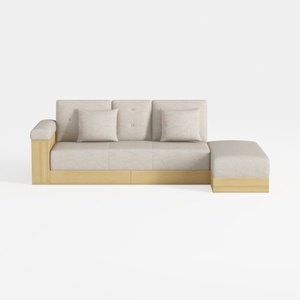
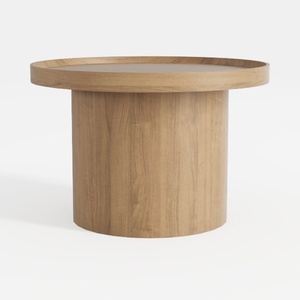
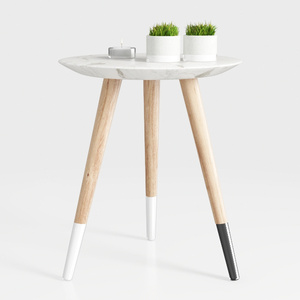
Homestyler is your ultimate online home design companion! With its intuitive design tool, stunning 3D renderings, and a wealth of DIY video tutorials, you can effortlessly transform your vision into reality. Perfect for both novices and seasoned designers alike, dive into the world of creative home design today!
Zaprojektuj teraz za darmo
































