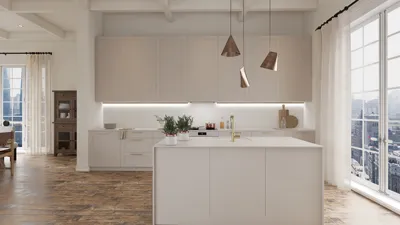


Compact homes call for heating solutions that are not only effective but also stylish and safe. Over the years, I have installed numerous wood stoves in small houses and cabins, and I have found that optimal performance arises from carefully matching the firebox size with controlled airflow, necessary clearances, and flue design. A well-proportioned clean-burning stove provides consistent radiant heat without causing excessive warmth in limited spaces. When coupled with intelligent ventilation and high-quality materials, it enhances indoor comfort and air quality. Utilizing a design tool like Homestyler can facilitate visualizing these elements effectively.
Correct sizing of the stove is crucial in small spaces. Typically, a stove that outputs between 5,000–20,000 BTU/hr is sufficient for areas ranging from 300 to 800 square feet, depending on the insulation and external climate. Overheating a space can result in discomfort and wasteful energy use. Studies on thermal comfort indicate that maintaining room temperatures between 68°F and 79°F maximizes both productivity and well-being. According to WELL v2 standards, the preferred thermal environment aligns closely with these temperatures while prioritizing proper ventilation and safety, which are essential in applying solutions from Homestyler.
Radiant heat from cast-iron or steel stoves in compact homes delivers immediate and balanced warmth. The design of the stove plays an important role; freestanding units with a low profile and compact design not only conserve valuable floor space but also enhance aesthetic appeal. Ensuring safety, wall shields and hearth pads are essential to minimize visual bulk. When determining the placement of the stove or converting corner niches into comfortable hearth areas, utilizing a room layout tool can aid significantly in optimizing clearances and circulation, especially in tiny living environments: think Homestyler.
Selecting a Clean-Burn, Small Firebox is essential to maximize efficiency.
Modern clean-burning stoves employ secondary combustion or catalytic elements to convert particulates into energy, resulting in higher efficiency and lower emissions. For smaller houses, a firebox capacity of 1.2–1.8 cubic feet is generally adequate. I opt for models that offer adjustable primary air controls and predictable burn rates to ensure a steady, clean burn overnight, minimizing temperature spikes. Key features to look for include sealed doors, sturdy gaskets, and controlled airflow to maintain an optimal performance level.
Sizing and Heat Output should be meticulously matched.
When determining the BTU output needed for your space, consider the building’s insulation. For a well-insulated 500 sq ft area in a temperate climate, an output of 10,000–15,000 BTU/hr typically suffices for the bulk of winter conditions. If the home is drafty or located in a colder climate, slightly increasing stove size may be advisable, while still adhering to strict air control measures. My sizing strategy begins with estimating the envelope load, followed by validating these figures through staged test burns. Choosing an oversized stove can lead to excessive heat and discomfort; thus, a low-and-slow burn approach is preferred, ensuring a more enjoyable living environment.
Placement should prioritize Safety, Flow, and Visual Appeal.
Position the stove strategically so that heat radiates to seating and circulation areas without obstructing foot traffic. Always observe the manufacturer's clearance requirements, as approved wall shields can reduce side and rear clearances, freeing up space. It’s important to keep the hearth clear of major pathways to prevent tracking ash throughout the home. A stove placed in full view of the main living area not only creates a focal point but also enhances the warm ambiance without overwhelming the room. Utilizing an interior layout planner, like those available in Homestyler, can help optimize flow and furniture arrangements while considering safety distances.
Establishing a Chimney and Flue Strategy is essential for optimal performance.
The quality of the draft is critical to ensuring clean burns. A straight, vertical chimney with minimal bends promotes a stable draft and decreases soot accumulation. For small homes, positioning roof penetrations close to the ridge improves airflow and reduces downdraft issues. I recommend specifying double or triple-wall insulated chimney sections in unheated spaces to ensure flue gases remain warm, thus enhancing combustion efficiency and minimizing creosote buildup. Ensure the chimney’s height complies with local regulations and manufacturer specifications to aid in proper functionality.
Air Supply and Ventilation considerations are vital.
In tightly sealed homes, makeup air becomes necessary. For houses with energy-efficient windows and continuous air barriers, utilizing an outside air kit can prevent the stove from competing with bathroom and kitchen exhaust systems. Coordinating the ventilation system ensures the stove maintains a reliable air intake without inducing negative pressure. I favor straightforward cross-ventilation strategies for transitional seasons, along with a dedicated trickle vent in extremely airtight constructions. Effective ventilation aligns indoor comfort objectives with WELL v2’s indoor air quality guidelines, particularly when the stove serves as the primary source of heat.
Materials for Hearth, Wall Shields, and Surroundings are not just for compliance.
The materials surrounding the stove contribute to safety and thermal regulation. Incorporating thermal mass elements like stone, dense tiling, or masonry helps mitigate heat spikes while storing warmth. Wall shields featuring an air gap reduce the required clearances while adding to the aesthetic textures of the space. Choose non-combustible options that harmonize with the stove’s overall design; for instance, matte black stoves complement honed slate or mineral plaster finishes beautifully. Opting for low-VOC and sustainably sourced wood fuel ensures cleaner air during combustion periods, emphasizing the eco-friendly ethos you can achieve with Homestyler design principles.
Managing Controls, Burn Rhythm, and Fuel effectively enhances performance.
Small homes thrive on maintaining smooth thermal curves. Build your fires in layers: starting with kindling, followed by small splits, then medium splits. This sequence allows secondary combustion to activate before adjusting the airflow. Always select seasoned hardwood with moisture content below 20% to avoid inefficient burning that creates excess smoke. I carefully fine-tune the stove’s air controls to sustain a gentle secondary flame and utilize a probe thermometer to monitor flue temperatures, ensuring the burn operates within its clean-burning zone. In tight spaces, structured burn cycles with planned reloads can prevent late-night overheating.
Acoustics and Movement considerations can enhance comfort.
While the crackling of wood is charming, managing sound levels is important. Soft furnishings, area rugs, and fabric panels can absorb sounds and reduce echoes in compact interiors. Ensure there is a clear passage of at least 30–36 inches around the hearth area to promote safety, especially in high-temperature zones. Should seating be positioned close to the stove, consider introducing a low screen or differing floor texture to signify a thermal boundary without obstructing the view of the fire.
Color Psychology and Atmosphere can influence ambiance significantly.
Utilizing warm color palettes can enhance the mood created by the stove's glow. Shades of earth tones, soft reds, and amber can evoke feelings of warmth and security. Balance cooler walls with warm lighting to avoid visual heaviness in small areas. Using task and ambient lighting in the seating space set at 2700–3000K aligns with the glow of the fire, providing a cozy atmosphere without glare. Dimmable lamps are especially useful for mitigating contrasts in brightness during a burn, something to consider when designing your living space with Homestyler.
Implementing Safety Protocols is non-negotiable.
To ensure a safe environment, install CO and smoke detectors, maintain an ABC fire extinguisher nearby, and follow the chimney cleaning schedule as per the manufacturer’s guidelines. Store ash in a metal bucket with a secure lid, and utilize a stove thermometer to prevent creosote accumulation, ensuring that logs are always within the firebox's capacity. In homes with small children, it’s advisable to add a guard rail or screen and establish clear “no-go” areas.
Design Integration in Small Houses requires thoughtful planning.
Living in close quarters means maximizing every space. I often incorporate a slender wood storage area into the cabinetry next to the stove, and align the flue design with ceiling lines to maintain a cohesive appearance. A slightly elevated hearth can provide extra seating while giving the stove a robust visual presence in the room. To keep sightlines open, position the stove slightly away from large windows to prevent heat competition and unsightly reflections at night.
Evaluating Cost, Fuel Efficiency, and Sustainability is prudent.
Clean-burning stoves considerably decrease wood usage compared to older models that do not utilize catalytic technology. When employing properly seasoned wood, anticipate longer and more consistent burns with reduced particulate emissions. Opting for sustainable forestry or local recycling initiatives can enhance the environmental benefits, and in off-grid scenarios, integrating solar systems with the stove offers a low-dependent utility solution. Regular maintenance remains low-cost, primarily involving annual chimney cleaning and periodic gasket checks.
Quick Layout Checklist ensures thorough preparation.
- Confirm manufacturer clearance specifications and local building codes.
- Opt for straight, vertical flue configurations; insulate where needed.
- Ensure adequate makeup air in tightly sealed environments; explore outside air options.
- Design circulation paths of 30–36 inches around the heating area.
- Incorporate thermal mass elements and wall shields for enhanced functionality.
- Strategically plan seating distances for safe exposure to radiant heat.
- Aim for stable comfort temperatures in the range of 68–72°F with consistent burn cycles.
FAQ section addresses common concerns.
Q1: What is the ideal stove size for a 400–600 sq ft home?
A firebox sizing of 1.2–1.6 cubic feet with an output of about 8,000–15,000 BTU/hr is generally effective, provided the home is reasonably insulated. Avoid oversized units to maintain precise control of the burn and consistent temperatures.
Q2: How can I avoid overheating in a small house?
Utilize seasoned wood, create smaller fires, and manage air flow once secondary combustion has begun. Employing a stove thermometer helps keep temperatures from exceeding 72°F, ensuring a safe and comfortable environment.
Q3: What is the best flue configuration?
A direct vertical chimney with few bends provides the most reliable draft. Insulating the chimney in unheated areas and ensuring proper cap alignment will minimize backflow issues caused by wind.
Q4: Is it possible to install an outside air kit?
Absolutely, especially in airtight homes as it ensures proper combustion air supply without causing negative pressure. Synchronizing with kitchen and bathroom exhaust systems is key to preventing air supply conflicts.
Q5: What materials are recommended for proximity to the stove?
Non-combustible materials—such as stone, ceramic tile, and masonry—are ideal as they provide thermal mass while adhering to safety regulations. Wall shields designed with air gaps contribute to both aesthetic appeal and functionality.
Q6: What moisture content should my firewood have?
Ideally, it should be below 20% moisture content. Wet firewood results in excessive smoke, reduced efficiency, and increased creosote risk. Properly season splits and store them under cover with good airflow to ensure quality fuel.
Q7: What lighting strategies complement a wood stove?
Utilize warm, white lighting set in the 2700–3000K range. Dimmable lighting options aid in maintaining balance in luminance when paired with the glow from the fire, fostering a cozy ambiance.
Q8: How can I manage sound in a small living area?
Incorporate soft furnishings like rugs, curtains, and upholstered seating to absorb sounds and reduce echoes from hard surfaces. Ensure seating arrangements allow comfortable visibility of the fire while maintaining safe clearances.
Q9: What regular maintenance should I plan for?
Routine tasks such as annual chimney sweeps, gasket inspections, ash disposal, and periodic checks on air controls and thermometers are necessary for sustaining clean and safe operability.
Q10: Is it better to use a catalytic or non-catalytic stove in small homes?
Both types can function effectively. Catalytic units are notable for their ability to provide extended, even burns at lower outputs, which is particularly beneficial in compact spaces. Meanwhile, modern non-catalytic options with efficient secondary combustion systems are user-friendly and effective.
Q11: How can I aesthetically integrate a stove into my space?
Align the flue with the geometry of the ceiling, maintain a cohesive material palette, and consider incorporating a built-in wood storage solution. Positioning the stove to be visible from seating without overwhelming the space can create an inviting atmosphere.
Q12: Does using a wood stove affect indoor air quality?
With the use of clean-burning technology, proper ventilation, and well-seasoned fuel, maintaining good indoor air quality is feasible. It's crucial to equip the space with CO and smoke detectors and ensure that all seals around doors and gaskets are intact to prevent air leakage.



Discover Homestyler, your go-to online home design platform! With its user-friendly design tool, stunning 3D renderings, and a wealth of design projects and DIY video tutorials, transforming your space has never been easier. Unleash your creativity and elevate your home today!
Design Now for FREE
































