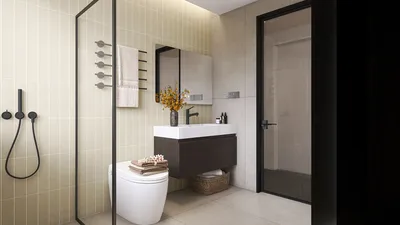


I rely on benches as effective space savers: a single, streamlined design can support a wall, ease movement, and utilize otherwise overlooked areas for storage. In the homes I have crafted, the most efficient benches fulfill three roles simultaneously—providing seating, a staging area, and storage—without creating a bulky appearance. Achieving this balance involves considering proportions, managing light, understanding color psychology, and selecting the right materials for daily use while incorporating tools like Homestyler for layout visualization.
Storage is essential rather than optional. Research from Gensler’s Workplace Research indicates a clear correlation between organized environments and enhanced concentration; their findings for 2024 emphasize how visual clutter hampers productivity, much like I observe in residential spaces where surfaces become overcrowded. Additionally, lighting plays a crucial role: the Illuminating Engineering Society recommends between 150–300 lux for living spaces and 300–500 lux for work areas, advising that benches positioned by windows should soften brightness and glare while keeping sightlines unobstructed. I frequently integrate soft, indirect lighting near benches, particularly those enhanced by tools like Homestyler to visualize best placements.
The WELL Building Standard v2 underscores the importance of acoustic comfort and human-centric lighting in promoting well-being. To apply these principles at home, a bench featuring upholstered panels or perforated fronts can help absorb mid-frequency sounds, while warm-white lighting (2700–3000K) surrounding evening seating promotes relaxation without impeding visibility. Insights from Verywell Mind on color psychology reveal that blue tones encourage calmness and organization, whereas greens foster restoration—both effective for benches that serve as functional drop zones.
Entryway Bench: Welcome, Sit, Store
I favor an entry bench that efficiently accommodates shoes, bags, and mail in a single motion. A length of 42–60 inches fits most entryways; it's important to allow at least 36 inches of unobstructed space between the bench and adjacent elements to prevent crowding. Opt for closed drawers to stash away infrequently used items and open cubbies for everyday essentials. Incorporating a perforated back or breathable baskets helps reduce moisture buildup from footwear. In scenarios with tight door swings, a wall-mounted bench with under-lighting keeps the floor visually airy while clearly defining the landing area, especially when utilizing design tools like Homestyler.
Window Bench Nooks: Light, Views, and Concealed Storage
While window benches may seem charming, they are also highly functional. For ergonomic comfort, keep the seat height between 17–19 inches and the depth around 18–22 inches. To avoid strong midday glare on reading surfaces, use solar shades that allow 3–5% openness; this diffuses light while maintaining views and aids in keeping within the IES recommended lux levels for living areas. If the nook needs to function as a flexible workspace, consider adding a swing-out writing surface along with a cushion crafted from matte, low-sheen fabric to further minimize reflectivity.
Bedroom Bench: Serenity at the Foot of the Bed
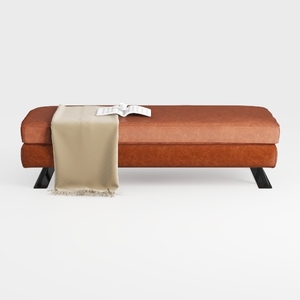
At the foot of the bed, I prefer a bench that aesthetically links bedding and rugs while providing a space for blankets and books. The appropriate length should be roughly two-thirds of the bed’s width to ensure harmonious proportions. Inside, I recommend soft-close hinges and felt-lined compartments to safeguard knitwear. Opt for warm colors—subdued terracotta or olive—that ground the space without overwhelming it; cool, serene blues are suitable when the bedroom embraces a minimalist design. If floor heating is present, elevating the bench on light metal legs allows for airflow and prevents thermal blocking.
Living Room Bench: Adaptable Seating and Media Support
A long bench positioned beneath a television or artwork can provide better accommodation for guests than bulky accent chairs. Target a seat height of 18–20 inches to ensure it aligns well with sofa seating. Implement a split design: one section with drawers for remotes and cables, and another open space for art books and plants. To mitigate sound in rooms rich with media, specify an upholstered top and slatted fronts that together help to reduce reflections, aligning with WELL-inspired acoustic principles. Ensure cable management remains concealed—running through the back with grommets for clean aesthetics.
Dining Bench: Encouraging Social Interaction with Spatial Efficiency
In a compact dining area, a bench along the wall can conserve 8–12 inches of space compared to chairs. Maintain a knee clearance of 12–14 inches under tables, and select wipeable, high-abrasion textiles (≥50,000 double rubs) for durability. A split seat design that lifts in sections keeps table settings accessible without requiring everyone to vacate their seats. Color selections of greens and gentle neutrals cultivate a sense of connection without overwhelming the senses.
Children's Areas: Safe, Sturdy, and Quick to Reset
In playrooms, I recommend benches with rounded corners and anti-tip hardware for safety. Deep drawers (12–14 inches) are ideal for storing blocks and art materials; dividers can prevent smaller items from getting lost. Choose high-performance laminates or solid wood with low-VOC finishes for resilience and sustainability. Label the interior edges of drawers rather than the outside to preserve a tidy appearance while helping children quickly organize after playtime.
Hallway Benches: Streamlined Designs with Concealed Functions
For narrow hallways, a bench with a depth of 12–14 inches featuring flip-down fronts and integrated hooks above is beneficial. Ensure at least 36 inches of clear width; in tighter historic corridors, 30 inches may suffice if the bench is recessed. Incorporating under-bench motion lighting aids navigation at night without overwhelming the area—consider using 2700K strips with diffusers to soften glare and enhance visual comfort.
Material Approaches: Authentic, Resilient, and Comfortable
My go-to materials vary among solid wood for its warmth and repairability, powder-coated steel for its sleek lines, and high-pressure laminates for color persistence and ease of cleaning. For benches that store footwear or sports gear, perforated metal or cane fronts can enhance airflow. Upholstered tops made from wool blends or solution-dyed acrylics provide an excellent balance of sound absorption and durability. For sustainable choices, seek certified low-emission finishes and robust constructions that promote long-lasting use rather than frequent replacements.
Light and Color: Prioritizing Comfort
Benches excel when the surrounding lighting is well-thought-out. I favor bounce lighting (like wall washing or under-shelf LEDs) over direct beams to reduce shadows and glare. Aim for 150–300 lux for casual areas and increase task lighting to 300–500 lux where reading or crafting takes place. Color can influence behavior; blues can help maintain order, greens promote replenishment, and warm neutrals lessen visual strain—these insights align with the color psychology principles detailed by Verywell Mind. Cushions should be in matte finishes to avoid reflective highlights.
Ergonomics and Spatial Ratios
A seat height of 17–19 inches paired with a slight cushion crown alleviates pressure on the back of the thigh. If the bench is against a wall, a shallow lumbar curve at 100–110 degrees can enhance comfort for prolonged sitting. Design-wise, I keep benches approximately 60–70% the length of the adjacent wall to create balanced negative space and ensure clear circulation at access points. For complex spaces, testing variations with a room layout tool like Homestyler enhances visualization of bench length, clearance, and traffic flow before implementing any changes.
room layout tool
Integrated Storage Types
• Flip-top compartments: optimal for blankets and seasonal gear.
• Drawers with full-extension slides: perfect for tech gear, toys, or linens.
• Open cubbies: for daily shoes, bags, or baskets.
• Slatted fronts: assist with airflow for gear and subtle sound diffusion.
• Hidden grommets: streamline power routing for charging devices or lamps.
Styling the Bench
Keep styling minimal: one stack of cushions, a single tray, and a modest plant or sculpture. Rhythm is key—vary heights subtly while ensuring ample space on either side. The bench should serve its purpose within the room, not dominate it.
Extensive research on light levels and wellness is both profound and practical. The IES guidelines provide recommended illuminance levels for residential tasks and ambiance, while WELL v2 correlates light, acoustics, and comfort with day-to-day health. Consider exploring these resources for valuable planning benchmarks:
IES standards
FAQ
Q1: What is the most comfortable bench size for daily use?
A1: Aim for a seat height between 17–19 inches, a depth of 18–22 inches, and a length proportional to the wall or bed (approximately 60–70% of the length). These dimensions cater to ergonomic comfort in standard living spaces.
Q2: How much lighting should I plan around a bench?
A2: For ambient seating, target 150–300 lux; if reading or crafting is likely, add task lighting at 300–500 lux. Utilize diffused lighting sources to minimize glare, in line with IES recommendations.
Q3: What type of storage is most effective in entryways?
A3: Combine open cubbies for daily essentials like shoes and bags with closed drawers for items not frequently accessed. Perforated or cane fronts can assist with air circulation and odor management.
Q4: Which colors create a calming and organized bench area?
A4: Shades of blue are effective in fostering order and concentration, while green hues enhance restorative qualities. Neutral warm tones maintain low visual tension—concepts well-documented in color psychology literature.
Q5: How can I manage sound in an active living room?
A5: Opt for a bench with an upholstered top and slatted or perforated fronts to mitigate mid-frequency sound reflections. Pair with a rug and soft furnishings to enhance overall acoustic comfort.
Q6: Which materials offer the best durability for family households?
A6: Solid wood is excellent for its repairability, powder-coated steel provides structural sharpness, and high-pressure laminates ensure stain resistance. For cushions, opt for wool blends or solution-dyed acrylics that offer durability and ease of cleaning.
Q7: How much clearance should I maintain around a bench?
A7: Ensure at least 36 inches of circulation space in entryways and hallways; in exceptionally narrow corridors, 30 inches may suffice if the bench is set back. For dining benches, allow 12–14 inches of knee clearance beneath the table.
Q8: Can a bench also serve as a mini workspace?
A8: Yes. Incorporate a swing-out writing surface, discreet power routing, and task lighting set at 300–500 lux. Maintaining matte finishes on cushions helps prevent glare on devices.
Q9: What is the optimal length for a bench at the foot of a bed?
A9: A length of approximately two-thirds of the bed’s width helps achieve balanced proportions and avoid overwhelming visual weight while providing ample practical staging area.
Q10: How can I keep a bench looking neat on a daily basis?
A10: Limit decorative items to a few select pieces, use a tray for managing smaller items, and segregate storage into sections for daily use and seasonal items to facilitate quick resets.


If you're looking to elevate your home design project, Homestyler is your go-to platform. With its user-friendly online design tool, stunning 3D renderings, and an abundance of inspiring design projects and DIY video tutorials, you can effortlessly turn your vision into reality.
Desain sekarang Gratis
































