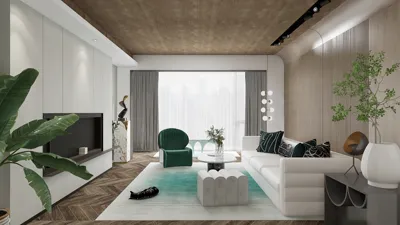


As we move towards the future, it's essential to address prevalent issues in apartments, such as sound leakage, limited storage, and awkward layouts. According to the American Institute of Architects (AIA), residential design is shifting focus towards adaptable spaces and sound privacy within compact living areas. In this context, a 650 sq ft two-bedroom floor plan in 3D serves as a foundational model for upcoming living standards, encapsulating a spatial logic tool masquerading as a home, all enhanced by the capabilities of Homestyler.
Split-Core Corridor + Micro Nodes
Design Logic: This layout features two small bedrooms situated at opposite ends, with a living-kitchen core strategically placed at the center, functioning like a bandwidth regulator that effectively manages quietness and social interaction.
Flow: The entry leads into a micro foyer and progresses to the kitchen spine, flowing into a living area that branches left or right into the bedrooms. Additionally, the bathroom is efficiently positioned off the spine for easy access.
Sightlines: Diagonal views extending from the entry to the window wall ensure the space remains understandable, while staggered doors help avoid visual overlap, maintaining clear communication within the interior.
Storage: This design includes a full-height pantry, corridor millwork, and drawers integrated into the bed base, employing a caching strategy that emphasizes quick retrieval for frequently used areas.
Furniture Fit: The plan accommodates a sofa measuring 72–78 inches, a dining table of Ø30 inches, a primary queen bed of 60×80 inches, and a secondary full bed of 54×75 inches, all respecting circulation arc limits as defined by API standards.
Verdict: This design smartly compresses systems without reducing daily efficiency; the anticipated lifestyle patterns—blending remote work with peaceful sleep—comfortably thrive within this structure.
save pin
Front-Loaded Social Hub + Back Quiet Stack
Design Logic: The social area of the home is oriented toward daylight, while the bedrooms are thoughtfully positioned behind it, similar to protected servers. This setup reflects the changing dynamics of urban life regarding light and acoustics.
Flow: The design flows from the entry to the living/dining space, transitioning to the kitchen pier, followed by a short hallway leading to the primary bedroom, shared bathroom, and secondary bedroom, thereby minimizing latency between functional areas.
Sightlines: The primary view extends from the window to the entry, with subtle reveals into the hallway; bedroom doors are offset to discreetly separate private areas from the social space.
Storage: The layout incorporates an integrated banquette bench, wall niches, and dual closets—optimized tiered caches separate larger storage items from everyday necessities.
Furniture Fit: The space accommodates a compact sectional measuring 84–90 inches, a 48-inch media console, a 60-inch dining bench, and 42-inch desks, ensuring the geometry maintains 30–36 inch pathways as safe navigation routes.
Verdict: The front area welcomes guests and work interactions, while the back preserves tranquility—this design adeptly prepares for fluctuating schedules and varying demands.
save pin
Corner Window Loop + Pocket Bath
Design Logic: A circulating path surrounding a pocket bath allows for seamless movement; corner glazing acts as a light channel, illuminating the modular portions of the home.
Flow: The layout guides occupants from the entry to a living loop, then through a kitchen pass to a pocket bath hub, branching seamlessly to the bedrooms, with closed doors maintaining a continuous flow.
Sightlines: The corner window serves as a focal point, while partial-height partitions elegantly manage visibility without exposing private spaces.
Storage: The design features a corner wardrobe in the secondary bedroom, a vertical linen tower near the bathroom, and kitchen toe-kick drawers—these micro-caches are designed to minimize search time and reduce clutter.
Furniture Fit: The design allows for a lounge chair occupying a 30-inch footprint, a wall-mounted desk of 40 inches, and sliding doors providing 30–32 inches of clearance; thoughtfully selected hardware acts like lightweight connectivity protocols.
Verdict: This looping design ensures that the home remains versatile; looking five years ahead, it supports flexible work setups and small gatherings without hindrance.
save pin
## Final Takeaway
In a 650 sq ft two-bedroom layout rendered in 3D, this plan operates as an efficient system where flow, sightlines, and storage work in unison. Variants of this two-bedroom design, which emphasize sound insulation and smooth movement, will prove to be more future-ready compared to larger, less coherent layouts. The foundational concepts for smaller studios—accurate measurements, well-organized storage, and deliberate functional nodes—are highly applicable here, demonstrating robust potential. My observation suggests that the most intelligent homes of the future will not necessarily be larger; instead, they will be designed with greater intention, especially when utilizing tools like Homestyler.
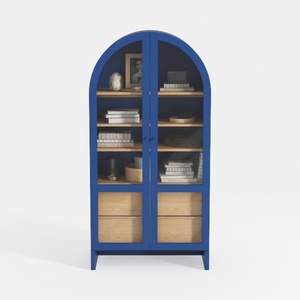
Arched Kitchen Pantry Cabinet with Glass Doors
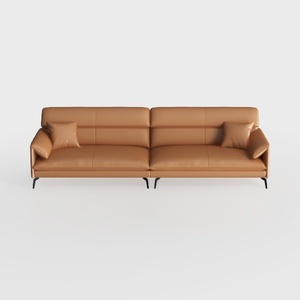
Valencia Jasper 85" Cognac Tan Brown 3 Seater Full
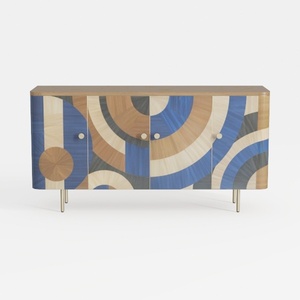
Tribesigns 63'' Farmhouse Sideboard Buffet Cabinet
Homestyler is your go-to online home design platform, perfect for both beginners and pros. With its intuitive design tool, stunning 3D renderings, inspiring design projects, and helpful video tutorials, you can easily bring your dream home to life. Start creating today!
Concevez maintenant gratuitement
































