

In my experience, I once mistakenly chose the wrong color for a client's studio wall, only to discover the unexpected neon undertones in the morning light, which the client charmingly dubbed "modern lava." That moment of panic taught me the importance of visually mocking up the wall in 3D before making a final decision. In compact areas, clever design choices become essential. Here, I’ve compiled five effective painting strategies that work wonders in real homes while utilizing tools like Homestyler for visualization.
1. Ombre or gradient wall: a subtle dramatic effect without clutter
I am a fan of applying an ombré effect on short walls, as it creates depth without needing additional furniture. It allows for a forgiving edge finish and is renter-friendly when using washable, low-VOC paints. However, achieving a smooth transition requires either a steady hand or a skilled painter. A budget-friendly tip: practice the technique on a panel before applying it, and use a sponge or large brush for blending.
save pin
2. Two-tone split wall for a visually expanded space
By splitting the wall horizontally — a darker shade on the bottom and a lighter one on top — you can create the illusion of higher or lower ceilings based on your design preferences. This strategy is not only economical but also highly effective, particularly in hallways or studio apartments. Just be cautious with alignment, as any mistakes are easily noticeable; remember to use painter’s tape and measure twice. A small challenge to consider: determining the perfect height for the split; I typically test various heights on cardboard before making final cuts with the tape.
save pin
3. Accent stripe or framed panel for dynamic focus
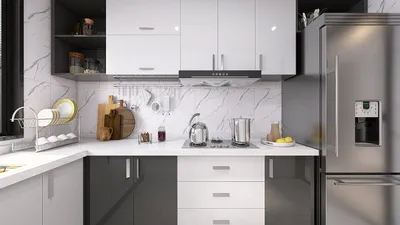
Incorporating a painted stripe or faux panel allows you to add focal interest without committing to a complete wall transformation. I often use this approach near kitchen areas to define different zones; it pairs well with shelving. When revamping a cooking space, think about how the paint will interact with cabinets and backsplashes first, and simulate a kitchen wall layout in your design with tools like Homestyler to avoid unintentional color conflicts. Pros include a fast application and reversibility; cons might include the need for precise taping, as mistakes can be glaring.
save pin
4. Chalkboard or washable paint for functionality and creativity
Chalkboard or high-durability washable paint can transform a wall into an interactive surface perfect for kids, lists, or rotating art. I implemented this in a compact apartment, replacing a fridge cluttered with magnets. A drawback to note is that the matte finish can display imperfections, so it’s wise to plan regular cleaning or apply a topcoat. A good strategy: frame it within trim to maintain a sleek appearance.
save pin
5. Camouflaging built-ins and storage to minimize clutter
By painting built-in shelves, radiators, or storage in the same color as the wall, you allow them to recede visually, which instantly declutters smaller spaces. I once painted an entire alcove to blend with the wall, and it felt as if the area had doubled in size; however, it’s crucial to consider the functionality of doors and hardware for proper airflow. If you are contemplating cabinet redesign or altering sightlines, it’s beneficial to rethink the room’s scale so that painted storage integrates seamlessly as part of the architecture, rather than merely furniture.
save pin
FAQ
Q1: What paint finish is optimal for small spaces?
A: I typically choose eggshell or satin finishes — they offer a subtle sheen that conceals imperfections better than flat finishes, while reflecting just enough light to keep the room lively without being overly shiny.
Q2: Can dark paint enhance the look of a small room?
A: Absolutely—using it on just one accent wall or the lower half can add depth and warmth. Be cautious not to envelop every surface in dark tones unless you have ample natural light.
Q3: What is the expected cost for a standard accent wall?
A: When considering materials and moderate professional labor, anticipate spending a few hundred dollars; opting for a DIY approach can cut costs to under $100, depending on the quality of paint and tools used.
Q4: Are there low-VOC paint choices available?
A: Certainly—numerous brands provide low or even zero-VOC formulations that minimize fumes. They dry similarly to traditional paints, but always ensure proper ventilation while you paint.
Q5: How should I test a paint color before applying it?
A: Paint a 2x2 ft sample on different walls and assess it in both morning and evening light; I prefer to keep the swatches in place for about 48 hours to observe any shifts throughout the day.
Q6: Is it possible to paint over textured surfaces?
A: Yes, you can, but adding texture often highlights imperfections. Sanding or skim-coating can smooth the surface before application. Otherwise, embrace the texture as a unique feature.
Q7: Is chalk paint safe for children’s rooms?
A: Opt for non-toxic, low-VOC washable paints and sealants. For guidance on indoor air quality and VOCs, consult the EPA's resources on Volatile Organic Compounds at https://www.epa.gov/indoor-air-quality-iaq/volatile-organic-compounds-impact-indoor-air-quality.
Q8: How do I select the best paint tools for a flawless finish?
A: Invest in a high-quality angled brush and a 9 to 12-inch high-density roller for smooth walls; cheaper tools often lead to streaks and can complicate touch-ups.
save pin
Homestyler is your go-to online home design platform! With its user-friendly design tool, stunning 3D renderings, and a wealth of inspiring design projects and DIY video tutorials, you can effortlessly create and visualize your dream space. Start your design journey today!
Design Now for FREE
































