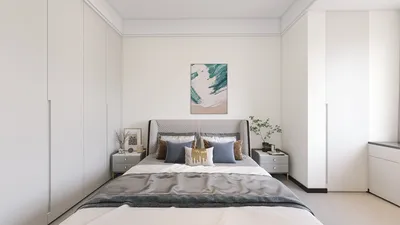


Wall color transcends mere decoration in a study environment; it plays a critical role in shaping cognitive perception, influencing emotions, and steering focus. In my designs, carefully curated color palettes and finishes have shown to significantly enhance productivity, reading ease, and daily vitality. Supporting this idea, research from Steelcase indicates that settings that promote visual comfort and personal control lead to better engagement and performance. Similarly, Herman Miller emphasizes how lighting and surface reflectance can impact visual ergonomics, thus helping to diminish fatigue.
The results of measured outcomes are crucial. WELL v2 suggests that maintaining suitable illumination levels in task areas can minimize visual discomfort, while IES lighting standards offer guidelines on target lux levels and glare management—both of which are significantly influenced by wall colors and finish reflectance. Cooler neutrals with mid-range reflectance (LRV ~50–65) help establish a balanced luminance environment, whereas well-placed accent walls can create a visual hierarchy without causing overstimulation. For further insights on environmental performance, refer to the Steelcase research.
Color Psychology for Cognitive Tasks
Research in color psychology reveals that shades of blue promote a sense of calm and concentration, while green fosters restorative focus, and muted warm neutrals offer comfort without distraction. In study areas, I typically opt for soft, desaturated blues and blue-grays as the main color, paired with a controlled accent hue (such as sage, slate, or ink) to create visual stability. Although bright, saturated colors can be invigorating, they should be used sparingly to prevent competition with text readability on screens or printed materials. Very light tints (nearing white) could cause glare under bright task lighting; thus, transitioning to a gentle off-white with warmer undertones can help decrease perceived brightness and boost reading comfort.
Light, Reflectance, and Glare Control
Walls function as expansive reflectors. For study zones, it’s essential to aim for a balanced luminance setup: a ceiling that is moderately bright, mid-tone walls, and well-lit task areas, avoiding stark contrasts. Matte or eggshell finishes help minimize specular highlights and lessening veiling reflections on glossy screens. According to WELL v2, managing glare and ensuring appropriate illumination is vital for enhancing visual comfort and cognitive efficiency. I strive to meet the recommended levels for task areas as outlined by IES standards, while keeping accent walls a few LRV points darker to uphold depth without leading to tunnel vision effects.
Accent Walls that Guide Attention
An accent wall can subtly attract attention toward the work desk or reading chair. I prefer positioning the accent behind shelves or perpendicular to the primary workstation to avoid any color interference with monitor color perception. Shades like deep slate, desaturated forest, or warm charcoal provide a solid base for the room, while natural oak or walnut trims and shelving introduce an inviting tactile warmth. When altering desk orientation or shelf arrangements, utilizing an interior layout planner, such as Homestyler, can help visualize sightlines and how color blocks frames your workspace.
Palette Systems for Different Study Styles
- Analytical/Reading-Heavy: cool blue-gray walls (LRV 55–60) with a single deep blue accent; a matte finish to enhance text clarity, maintaining a low-saturation palette to sustain focus.
- Creative/Studio Work: a soft neutral backdrop (warm gray or linen) paired with a muted green or terracotta accent and a small patch of a vibrant color (mustard or coral) positioned away from the monitor.
- STEM/Screen-Focused: neutral main walls (balanced gray) along with a controlled low-chroma blue accent; ensuring that task lighting remains flicker-free and color-stable to prevent screen perception distortion.
- Shared Family Study: a flexible off-white with two micro-accents (sage and ink) to define different zones; chalkboard or magnetic paint panels can be utilized for schedules and pin-up activities.
Finish and Material Choices
Select finishes that enhance visual comfort while also being easy to maintain. An eggshell finish offers enough durability without reflecting glare; matte is optimal for brightly lit areas to minimize reflections. In children's study spaces, a satin finish near the desk resists smudges, while matte can be applied elsewhere. Textured paint options, like limewash or subtle plaster, diffuse light gently, reducing contrast. It's advisable to avoid high-gloss finishes around screens or task lamps. Pair paint colors with natural materials, such as wood trims, cork panels, and fabric pinboards, to absorb sound and soften the visual ambiance.
Acoustic Comfort and Painted Surfaces
While paint alone doesn’t solve acoustic issues, a strategic color approach can support acoustic zoning. Darker, low-chroma hues in reading corners can psychologically create a sense of quietness. Incorporate cork or fabric-wrapped boards on accent walls; they work beautifully with paint and help to dampen sound. Soft window treatments and a rug contribute to a serene sound environment, minimizing cognitive overload so that color can perform its role without distractions.
Lighting Temperature and Color Harmony
Ensure paint colors complement light temperature. For cooler palettes, such as blues and greens, selecting 4000K task lighting maintains whites close to neutral and text clarity. For warmer neutrals, lighting in the range of 3000–3500K softens harshness and enhances the warmth of materials. Consistency is key; varying color temperatures may distort paint perception. Dim-to-warm fixtures allow for a smooth transition from productive daytime activities to relaxing evening settings without drastically altering the wall colors.
Micro-Zones: Creating Learning Modes
Utilize subtle shifts in color to define different functions within your space. A mid-tone neutral behind the monitor reduces contrast, while a rich but muted accent in a reading nook signifies a retreat. Lighter walls near storage areas enhance visibility. Keep transitions low-contrast to maintain cohesion in the room. If you're planning a new desk placement or shelf setup, testing various scenarios with a room design visualization tool like Homestyler can clarify how color blocks align with actual workflows.
Small Room Strategies
In smaller study areas, painting ceilings a shade lighter than walls can create an illusion of height. Extend wall color across millwork to minimize visual clutter. A single vertical color band behind the desk can add depth without making the room feel confined. Mirrors should be used sparingly and placed away from monitors to prevent motion distractions. Keeping trim close to wall color maintains a clean silhouette.
Sustainable and Healthy Paint Choices
Opt for low-VOC or zero-VOC paints to safeguard indoor air quality. Durable finishes decrease the need for frequent repainting, reducing waste. When possible, specify products that have been tested by third parties and are transparent about emissions. Balanced color palettes can lessen reliance on artificial lighting, promoting more efficient lighting that aligns with WELL recommendations.
Application Techniques for a Professional Finish
Ensure proper priming of surfaces, especially over darker colors. Cut clean lines at ceilings and trims—using a 2–3 inch brush for edges paired with a high-quality roller for consistent coverage is essential. Keep wet edges to avoid lap marks. When working with accent walls, test larger swatches at different times of day, as paint can appear differently in daylight versus evening lighting. Maintain the desk wall in a low-gloss finish to prevent hotspot reflections from task lamps.
Color Combinations I Trust
- Calm Focus: soft blue-gray field, ink accent, warm off-white trim.
- Restorative Read: sage field, charcoal shelving, natural oak details.
- Modern Neutral: balanced gray field, warm beige ceiling, deep slate band behind desk.
- Family Study: off-white field, micro-accents of fern and clay, chalkboard panel for notes.
Maintaining Visual Rhythm
To create visual rhythm, repeat a color at least twice—on the walls and a significant object. Follow a 60/30/10 distribution: main color 60%, secondary 30%, and accent 10%. It’s best to position the accent away from direct view on the monitor, either behind or beside the desk. This moderation helps sustain focus during extended study sessions, ultimately reducing visual fatigue.
FAQ
Q1: What wall colors are most effective for concentration?
A: Soft, desaturated blues and blue-grays are consistently effective for enhancing focus. They slightly lower arousal and stabilize attention without feeling cold.
Q2: How can I prevent glare from my painted walls near the screen?
A: Selecting matte or eggshell finishes, keeping the wall LRV in the mid-range, and steering clear of high-gloss near task lighting are key. Balancing luminance per IES guidelines minimizes reflections.
Q3: Should my accent wall be positioned facing the desk?
A: It’s better to place accents beside or behind shelving, rather than directly behind the monitor, as this prevents colors from affecting the perceived whiteness of the screen and helps reduce distractions.
Q4: What color temperature works best with blue-gray walls?
A: Lighting in the 3500–4000K range keeps text clear and neutrals stable when using cooler palettes.
Q5: Is chalkboard paint beneficial in study rooms?
A: Absolutely. Utilize it in smaller zones for lists and sketches while keeping it away from the main screen to avoid high contrast within your viewing field.
Q6: How can color assist in shared study areas?
A: Implement micro-accents to create designated zones—assigning one hue per user—while maintaining a neutral base to organize behavior visually without the need for partitions.
Q7: Are warm colors detrimental to focus?
A: Not necessarily. Low-chroma warm neutrals can be appealing; high-saturation warm hues provide energy, but should be deployed in moderation to avoid overstimulation.
Q8: What is the best finish for low maintenance?
A: Eggshell finish offers a good balance between ease of cleaning and minimizing glare. In areas for kids, satin is favorable in high-touch zones with matte used elsewhere for visual comfort.
Q9: Does textured paint enhance comfort?
A: Yes, soft textures like limewash help diffuse light and soften stark contrasts, contributing to a more calming visual atmosphere.
Q10: How do I coordinate colors with my furniture?
A: First, outline sightlines and functions. If you're repositioning the desk or shelves, employ a room design visualization tool like Homestyler to analyze how color blocks interact with functional areas.
Homestyler is your go-to online home design platform, perfect for bringing your vision to life! With its user-friendly design tool, stunning 3D renderings, and a wealth of DIY video tutorials, you can create, explore, and transform your space effortlessly. Unleash your creativity today!
Zaprojektuj teraz za darmo
































