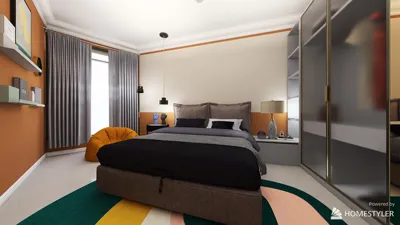


In my experience designing open kitchens for small living rooms, I once placed the refrigerator directly opposite the sofa. The client humorously remarked it was the world’s quietest TV, as everyone kept getting up for snacks. That incident highlighted how small open spaces demand quick creativity. Here are five effective ideas to optimize such areas, and for a solid reference, take a look at this example featuring an open-plan layout: an exemplary open-plan solution.
1. Maintain open sightlines with low cabinetry
I appreciate utilizing low cabinets and continuous countertops, as they create unobstructed sightlines between the kitchen and living area. This approach connects the spaces, making the room appear larger. However, it leads to reduced concealed storage, which is why I recommend supplementing with tall pantry units around the kitchen’s perimeter.
A tip from experience: select finishes that complement the living room’s color scheme so that the kitchen feels like a cohesive part of the entire space rather than a separate area.
save pin
2. Create zones with rugs and lighting
I frequently employ rugs and layered lighting to define different areas within small open plans. A rug anchors the seating area, while pendant lights or linear fixtures above an island form a visual boundary without necessitating walls. This method is both affordable and reversible, although careful attention to rug sizes is essential—too small creates an unbalanced look.
To test different layouts without commitment, consider creating a mockup; I often use painter’s tape to sketch the plan on the floor before finalizing it.
save pin
3. A multifunctional island — for seating, preparation, and storage
An island serves as the versatile tool in any small open kitchen, providing additional prep surfaces, casual dining options, and concealed storage. In compact areas, I often reduce its depth to ensure smooth circulation. While this may sacrifice seating depth, sleek stools paired with under-island cabinets help counterbalance that.
For families, I suggest positioning drawers on the side facing the living room to keep snacks and games accessible without needing to cross through the cooking space.
save pin
4. Utilize vertical storage and integrated appliances
Emphasizing vertical storage can optimize floor space: tall cabinets, high open shelves, and built-in ovens or microwaves help keep countertops clutter-free. This gives a clean appearance, although sometimes it may feel as if you’re reaching for the stars—using a small step stool can resolve this and incorporate additional design elements.
My practical advice: keep everyday items at eye level while storing seasonal items higher up.
save pin
5. Optimize light, color, and reflective surfaces to enhance space
Incorporating natural light along with glossy backsplashes or light-reflective paint can create the illusion of a larger open kitchen and living room. I commonly choose a mid-tone flooring with lighter walls to mask dirt while maintaining a bright ambiance. Reflective tiles are a budget-friendly option but may require more upkeep than matte finishes; consider areas prone to fingerprints or splatters.
Before finalizing any layout, walk through the space at various times of the day — changes in lighting can significantly affect how colors and materials appear.
During the redesign process, I prefer testing layout flow using a virtual mockup; tools like Homestyler are invaluable for clients needing to visualize changes—check out this useful preview of space zoning: an insightful space zoning guide.
save pin
Budget-Friendly Tips and Common Pitfalls to Avoid
For those working with a limited budget, focus on storage and circulation first: a cramped layout can negatively impact the feel of the space more than inexpensive finishes. Steer clear of oversized sofas that obstruct pathways, and avoid installing an island that exceeds the space’s circulation capacity. Small updates like a fresh coat of paint, new rugs, and swapped lighting can make a surprisingly impactful change without straining your budget.
When clients inquire about comprehensive 3D renders before commencement, I encourage starting with a simple model—this minimizes back-and-forth communication later. For clients who enjoy virtual experiences, I often showcase a 3D layout walkthrough to validate sightlines and dimensions: an engaging 3D layout walkthrough.
save pin
Pro Tip 1:
Double-check measurements and use tape to outline major pieces on the floor before making purchases. Keep paragraphs concise and decisions easily reversible, as thoughtful choices now assist in simplifying future updates.
save pin
Frequently Asked Questions
Q1: Is an open kitchen advisable for a small apartment?
A1: Absolutely — when carefully planned. Focus on circulation, minimize clutter using integrated storage solutions, and maintain a uniform color palette to ensure the space feels cohesive.
Q2: How can I prevent cooking odors from permeating the living room?
A2: Install a high-quality range hood vented outside, consider adding a sliding door or glass partition if needed, and ensure regular ventilation. Indoor plants and activated charcoal absorbers can provide short-term solutions.
Q3: What types of flooring are ideal for a combined kitchen and living room?
A3: Choose durable, continuous flooring like engineered wood or high-quality vinyl, as these options enhance visual flow and withstand kitchen wear. Opt for a mid-tone to conceal dirt while keeping the room bright.
Q4: How much space should there be between an island and sofa?
A4: Aim for at least 90–110 cm (35–43 inches) between the edges of the island and any seating to ensure comfortable movement. If space is tight, consider reducing the island's depth or using slim-profile seating.
Q5: Is it possible to use different styles for the kitchen and living areas?
A5: Yes — contrasting styles can work beautifully as long as you unify them through color, materials, or recurring finishes to foster harmony.
Q6: What’s the simplest way to test a new layout?
A6: Use tape to outline the dimensions of furniture and islands on the floor, and live with it for a day or two. This cost-effective method reveals circulation issues instantly.
Q7: Are open kitchens safe for children?
A7: Yes, they can be safe with proper zoning, rounded island edges, and designated cooking areas free of children. Establish clear boundaries and use childproof locks on lower cabinets if necessary.
Q8: Are there established standards for kitchen layout?
A8: Definitely. The National Kitchen & Bath Association (NKBA) provides guidelines on work triangle distances and clearance dimensions that are widely adopted in professional design (source: NKBA standards at nkba.org).
save pin
Homestyler is your go-to online home design platform for turning inspiration into reality. With its user-friendly design tool, stunning 3D renderings, and a wealth of design projects and video tutorials, creating your dream space has never been easier. Start designing today!
Concevez maintenant gratuitement
































