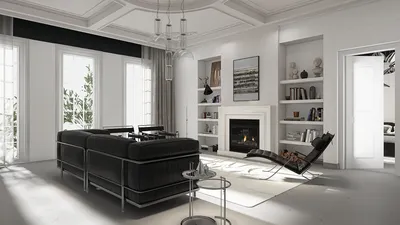


In one memorable instance, I almost spoiled a client's cherished heirloom mirror due to my overzealous use of paint. We shared a laugh over coffee afterward, and that mishap instilled in me a newfound appreciation for the beauty of patina and the importance of showing restraint. It became clear that while a touch of faux distress can enhance the appeal of a mirror, overdoing it results in a look that's reminiscent of a craft fair. To steer clear of that, I often utilize Homestyler for a quick visual mockup to assess scale and finish before making any commitments.
1. Subtle Silvering with Vinegar and Paint
For subtle silvering, I employ a mix of diluted white vinegar and a spray paint wash which gently lifts small sections of the mirror backing, creating a slight spotty silver effect. This technique is both budget-friendly and reversible, assuming you handle it with care. However, it does require patience and a steady hand to avoid any unsightly blotches.
Budget tip: Always practice on glass scraps beforehand. In the past, I have successfully aged three different thrift store mirrors to perfect the effect before moving on to the client's piece.
2. Paint Rub-Through Techniques for Framed Mirrors
For enhancing framed mirrors, I often begin by sanding and layering chalk paint, followed by lightly sanding the edges to create a gently worn appearance while preserving the integrity of the mirror itself. This approach results in a vintage look that's authentic and forgiving, though it’s crucial to ensure that any raw wood exposed through heavy sanding is sealed to avert moisture damage.
Quick tip: To soften harsh sanding lines and achieve a more natural worn pattern, use a damp rag; I apply this trick in many of my small projects.
3. Acid-Etching for Authentic Aged Look
If you're aiming for tiny pits and mottling reminiscent of traditional mercury-glass mirrors, a careful application of a mild acid or a specialized etching solution can help you achieve that tailored aged appearance. This method provides a depth that paint alone cannot replicate, but it is more technical and necessitates protective gear.
Before making any lasting changes, I utilize Homestyler to map out reflections and light, ensuring the aging process complements the overall room design.
4. Faux Mercury Finish Using Metallic Paint Glazes
I create a faux mercury effect by mixing silver and pewter glazes over a dark base, allowing me to replicate the appearance of mercury glass without having to handle hazardous chemicals. This method is quick and safe, particularly for households with children, yet those who seek maximum authenticity may find the true depth of real silvering lacking.
Pro tip: Always seal the back with a satin varnish to protect the finish, especially when clients prefer a surface that's easy to clean.
5. Layered Distress and Antiquing Wax
My go-to, hassle-free technique involves combining light sanding, spot-silvering, and antiquing wax along the edges. The wax imparts warmth and cohesiveness, making even the most affordable thrift store mirror feel like a cherished heirloom. This approach is cost-effective and adaptable, although the downside is that wax tends to attract dust, so periodic re-waxing is necessary. Moreover, when styling the mirror with other surfaces, it’s wise to consider existing décor styles and even consult Homestyler for kitchen layout inspiration to ensure all finishes complement one another.
FAQ
Q1: What materials are necessary to age a mirror safely?
A1: Essential materials generally include vinegar or a mild etching solution, metallic glazes or paints, fine sandpaper, gloves, and a clear sealant. Always conduct initial tests on scrap glass to hone your desired look.
Q2: Is it possible to age a mirror without compromising its reflective surface?
A2: Yes—by employing gentle methods such as light sanding, application of glaze layers, or spot treatments with diluted solutions, you can maintain most of the reflection while enhancing the character of the mirror.
Q3: Can faux aging techniques be reversed?
A3: Certain methods, like paint washes and glazes, are reversible unless you have etched the silver backing. Therefore, choose your techniques judiciously.
Q4: How should I safeguard an aged mirror?
A4: Ensure that you seal frames and any painted areas with a clear varnish, avoid exposing silvered spots to direct moisture, and clean with a soft, dry cloth to maintain the charm of the patina.
Q5: Are there any health concerns linked with mirror aging techniques?
A5: Wear gloves and protective eyewear if you are working with acids or potent solvents. For safer alternatives, stick to vinegar, paint glazes, and waxes.
Q6: How can I achieve a mercury-glass appearance without hazardous materials?
A6: Indeed—using metallic paints and layered glazing can convincingly emulate the look of mercury glass at a significantly reduced hazard level and cost.
Q7: Where can I find reputable information about mirror silvering and conservation?
A7: For authoritative guidance on mirror materials and care, check out the Getty Conservation Institute: https://www.getty.edu/conservation/. They elaborate on how silvering interacts with moisture and cleaning products.
Q8: How long can I expect a DIY aged finish to last?
A8: With appropriate sealing and careful maintenance, a DIY-aged finish can endure for several years. Plan to refresh wax or re-seal every few years in humid environments.
Looking to transform your space? Homestyler is your go-to online home design platform! With its user-friendly design tool, stunning 3D renderings, and a wealth of DIY video tutorials, you can effortlessly create and visualize your dream home projects. Start designing today!
Zaprojektuj teraz za darmo
































