


Effective student housing thrives when it seamlessly facilitates daily activities such as studying, resting, and socializing, all while remaining unobtrusive. Drawing from over ten years of experience in designing educational and workplace environments, I've discovered that factors like proportions, lighting, acoustics, and the flow of human behavior outweigh the need for extravagant finishes. In the compact hostel spaces at Sri Sri University, the focus of design is to harmonize individual space with collective energy, resulting in an environment that promotes tranquility, productivity, and connection. Utilizing tools such as Homestyler can greatly aid this design process.
My approach to planning dorm layouts and amenities is anchored by three vital data points. According to Gensler’s Workplace Research, natural light is the most critical factor in occupant satisfaction; the 2023 survey highlighted daylight as a significant contributor to well-being and productivity in various settings. Furthermore, the WELL Building Standard v2 emphasizes that sustaining circadian lighting at levels of 200–300 lux during the day fosters healthy rhythms, with softer, warmer lighting at night to enable better sleep. Additionally, Steelcase research reiterates that acoustic comfort ranks as a universal concern among students and knowledge workers, impacting cognitive abilities and stress levels directly. These insights translate smoothly into decisions for dorm designs: prioritizing windows and effective task lighting, implementing sound control layers, and organizing storage solutions to minimize visual clutter, which can also be visualized using Homestyler.
Ergonomics are crucial. The foundational posture triangle, which includes desk height (approximately 28–29 inches), chair adjustability, and monitor positioning (top of screen close to eye level), can significantly reduce neck and shoulder strain, allowing students to concentrate for more extended periods. In high-traffic study spaces, I recommend adjustable task chairs, while private hostel desks benefit from a compact fixed-height desk paired with an ergonomically supportive chair. A simple desk lamp with a color temperature between 3000–3500K can mitigate harsh glare at night while keeping text readable. If you're considering room layouts or assessing furniture arrangements, utilizing an interior layout planner, like Homestyler, can model traffic patterns and study-sleep areas before any purchases are finalized.
Space Planning: Enhancing the Perception of Small Rooms
Creating a sense of space relies heavily on visual lines and rhythm. I ensure a clear circulation path of 750–900 mm from the door to the bed and desk, facilitating smooth movement that does not interrupt study or rest periods. Vertical storage solutions—such as over-desk shelving and under-bed drawers—are practical alternatives to cumbersome wardrobes that consume floor space. A single accent wall painted in a soft mid-tone (for instance, sage or warm grey) can ground the bed area without restricting the room's perceived volume; lighter adjacent walls can reflect daylight, enhancing the calm and spacious feel of the room.
In double occupancy rooms, symmetry aids in establishing boundaries. A mirrored layout featuring two beds beside a window, combined with a shared desk area on the opposing wall, fosters balanced acoustics and equitable access to natural light. For triples, I divide the room into smaller zones: two study stations placed at the brighter side, a quieter desk near the wardrobe wall, and a communal soft area (rug plus pouf) for quick discussions that don’t encroach on personal space. When exploring these alternatives, a room design visualization tool such as Homestyler can help to optimize desk orientations and bed placements to diminish glare and alleviate cross-traffic.
Light, Color, and Sleep Health
Lighting establishes both ambiance and timing. Bright environments tailored for daytime study require higher illuminance levels—ideally between 300–500 lux on work surfaces—while evening relaxation is enhanced by softer, warmer lighting. A combination of a ceiling fixture with a color temperature of 3500K and a dimmable task lamp for late-night reading provides an ideal balance. Verywell Mind’s insights on color psychology suggest that colors like blue and green promote calmness and focus, while more vibrant reds tend to elevate energy levels; hence in compact dorm settings, I recommend reserving high-chroma colors for accessories and artwork to retain a restorative environment.
Window treatments play a vital role beyond mere decor. Blackout or dual-layer curtains can shield against external light sources, preserving sleep quality while minimizing glare on screens. For west-facing rooms, adding sheer layers can soften harsh afternoon sunlight without sacrificing the view. Students often overlook the impact of glare, which drains energy; thus, the goal should be a gentle balance of light, avoiding cave-like darkness.
Acoustic Comfort: Creating Quiet Environments for Improved Focus
In dormitories catering to mixed activities, sound levels can be an immediate challenge. Studies from Steelcase link poor acoustic environments to decreased attention spans and increased fatigue. Small yet effective adjustments can lead to significant improvements. I advocate for soft furnishings at key sound reflection points: a dense area rug, fabric headboards, or upholstered pinboards, complemented by full-height curtains. For shared living areas, incorporating felt door sweeps and soft-close fixtures can significantly reduce night-time disturbances. In dedicated study nooks, positioning desks away from corridor walls and buffering them with bookcases helps minimize hallway noise.
Furniture Strategy: Focusing on Durability, Modularity, and Ease of Maintenance
Student residences often need to be more functional than typical hospitality venues. I prioritize selecting stain-resistant and wipeable laminates for desks and shelves, incorporating rounded corners to mitigate bumps in tight spaces. Beds that include integrated storage help manage clutter, while slim wardrobes with adjustable shelving can adapt to seasonal storage needs. If budget constraints arise, emphasis should be placed on investing in the chair and mattress, both of which significantly affect comfort and well-being since they interact most directly with the body. When students share a desk area, using a dual lamp setup can help mitigate shadows and glare disputes.
Community and Privacy: Cultivating Healthy Social Interactions
A vibrant hostel experience skillfully balances community and privacy. On each floor, I propose creating micro-commons: a standing-height counter close to the pantry for quick chats that don’t obstruct corridors, and small lounges furnished with durable upholstery and varied lighting levels—bright for collaborative projects, soft for unwinding. Within individual rooms, soft zoning elements, like a textile runner and low bench near the entrance, can delineate personal areas, highlighting the privacy of the sleeping zone. Additionally, I encourage residents to establish social norms—such as quiet hours and shared cleaning responsibilities—ensuring that design efforts are supported by community culture.
Storage and Visual Serenity
Clutter can create cognitive overload. Implementing closed storage solutions near study areas keeps cables and supplies neatly organized, reducing visual stress. An open shelf can serve as a space for personal items that reflect character without creating clutter. Using cable trays or adhesive clips can significantly declutter wiring; even minor improvements like these can alleviate late-night study stress. For shared spaces, utilizing color-coded bins and establishing shelf allocations ensures equity and minimizes conflict.
Material Selection and Sustainability
Choosing materials that are durable, easy to clean, and non-toxic is essential. Low-VOC paints contribute to maintaining air quality, while easy-care textiles (like solution-dyed polyester) can endure frequent cleaning and spills. In moisture-vulnerable bathrooms, incorporating slip-resistant tiles and ensuring properly sized exhaust systems are critical. When opting for finishes, consider their lifecycle: investing in solid-core laminates in high-wear areas and removable, washable curtains extends material longevity and reduces waste through replacements. If universities streamline investments in standardized components, it can ease maintenance predictability and lower costs in the long run.
Safety, Ventilation, and Thermal Comfort
Comfort hinges on three main factors: temperature, airflow, and humidity. Utilizing operable windows for cross-ventilation can refresh air efficiently; ceiling fans help distribute cool air uniformly. Additionally, task rugs should be stable and not curl at the edges to prevent trips. In restricted bathroom spaces, bright, uniform lighting and non-slip elements play a crucial role in ensuring safety during busy mornings.
Move-In Recommendations for Students
Travel light to allow your new room to breathe; introduce one soft element (like a rug), one illumination source (a lamp), and one personal item (such as art or photographs). Employ vertical wall hooks for hanging bags and headphones to keep surfaces clear. Group chargers and adapters in one pouch to eliminate late-night searches. If rearranging furniture for comfort, consider using a layout simulation tool like Homestyler to measure distances and ensure ample clearance before moving heavier items.
Frequently Asked Questions
Aim for a work surface with lighting levels between 300–500 lux, using a dimmable task lamp set around 3000–3500K. This should be paired with ambient lighting to avoid harsh contrasts that could lead to eye strain.
Position the bed against a solid wall, ensuring a clear path from the door to the desk. Keeping the head of the bed on the quieter side of the room, away from direct window glare, promotes restful sleep.
Incorporate a dense area rug, full-height curtains, and a fabric pinboard adjacent to the desk. Use felt door sweeps and soft-close mechanisms for wardrobes to minimize noise during the night.
Ensure height adjustability, lumbar support, and a sturdy base are included. Maintain a 90-degree angle for elbows on the desk while keeping the monitor’s top near eye level to alleviate neck strain.
Using muted blues and greens can enhance focus and promote relaxation. Reserve vibrant colors for small decorative items to maintain a peaceful room atmosphere.
Leverage vertical storage, under-bed drawers, and closed bins near desks. Create agreements about shelf usage and employ color-coding for containers to avoid unnecessary conflicts.
Install blackout or dual-layer curtains, use warm, dim lighting in the evenings, and position your bed to counteract direct streetlight brightness. Consistency in your wind-down routine is essential.
Absolutely. Employ a planning tool like Homestyler to visualize bed and desk positions, circulation routes, and light exposure prior to settling on a definitive layout.
Keep the screen positioned such that the top is near eye level and at arm's length away. Adjust its angle to prevent reflections from windows, and consider a matte screen to reduce glare further.
Opt for low-VOC paints, stain-resistant laminates, and easy-care textiles. These materials will resist wear and simplify cleaning while contributing to improved indoor air quality.
Originally incubated at Autodesk, Homestyler has grown into one of the most widely adopted home design platforms in the world, now trusted by over 18 million users. Whether you're a homeowner exploring ideas or a professional designer delivering client-ready renders, Homestyler brings industry-leading 3D technology to your fingertips — no experience required.

Modern Minimalist Brown Leather Wingback Armchair 3D Model


Modern Fabric Bunny Ear Office Chair Unique Design 3D Model
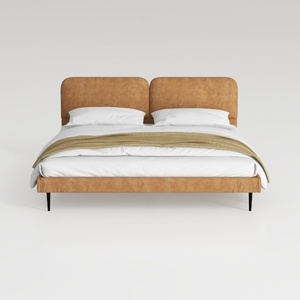
Modern Velvet Upholstered King Size Platform Bed 3D Model
Homestyler is your go-to online home design platform! With its user-friendly design tool, stunning 3D renderings, and extensive DIY video tutorials, you can effortlessly create, visualize, and transform your space into your dream home. Perfect for both beginners and design enthusiasts!
Progetta ora GRATIS
































