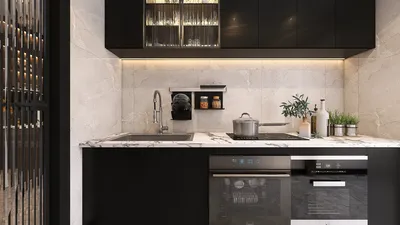


Rapidly cooling a small room involves managing heat sources and airflow rather than relying solely on mechanical systems. In my experience, the largest improvements stem from implementing smart ventilation, controlling daylight, and applying focused task cooling techniques. Research conducted by Gensler reveals that maintaining thermal comfort can enhance workplace performance significantly, with productivity rising up to 21% when thermal conditions are optimized. This emphasizes that temperature is not merely a comfort aspect but is crucial for effective performance. Furthermore, the WELL v2 standard suggests keeping operative temperatures in the range of 20–24°C (68–75°F) for most occupants, combined with controls that empower individuals to adjust their immediate environment, making tools like Homestyler quite beneficial for visualizing these setups.
In compact spaces, two main factors significantly affect comfort: heat load and airflow. According to studies by Steelcase, personal control options—like adjustable fans or blinds—greatly enhance perceived comfort and reduce dependency on centralized HVAC systems, which often respond slowly in small areas. From my own observations, using a window fan to quickly expel warm air, in conjunction with interior shading solutions (or reflective films), can effectively lower peak room temperatures by 2–4°C in just minutes on hot days, especially when addressing heat sources like lighting and electronic devices.
Identify and Reduce Heat at the Source
Begin with the often-overlooked heat sources. Swap out high-wattage incandescent bulbs for energy-efficient LED fixtures, which generate less heat for the same amount of light. Cut down on idle electronic devices by consolidating chargers and using power strips to eliminate phantom loads. If you cook close by, manage that heat by keeping doors closed and utilizing the range hood; heat travels rapidly in small apartments. Close doors to warmer areas and encourage natural airflow from cooler spots.
Implement Cross-Ventilation and Simple Air Paths
Establish a pressure differential: have one opening for air intake and another for exhaust. Position a fan at a warm window to push air out while slightly opening a door or opposite window to pull in cooler air. This strategy can quickly clear out hot air that tends to gather near ceilings. If layout planning forms part of your challenge—such as arranging furniture to prevent airflow obstruction—using a room layout tool like Homestyler can assist in visualizing optimal fan placements and air paths.
Optimize Fan Direction and Speed
Enhancing air movement can increase convective heat loss, allowing you to feel cooler even at the same temperature. Positioning a desk fan to angle across your body—rather than blowing directly at your face—can enhance comfort and minimize eye dryness. At nighttime, set a box fan in the window facing outward to eliminate heat; during cooler hours, switch its direction to draw in fresh air. Ensure ceiling fans rotate counterclockwise in summer to circulate air downwards and generate a cooling breeze effect.
Minimize Solar Gain with Layered Solutions
Direct sunlight can boost temperatures significantly in smaller spaces. Use layered solutions like interior blinds or roller shades for better control, thermal curtains to limit heat conduction, and reflective films to reduce radiant heat. Close shades that face east during the morning and those facing west in the afternoon. Opt for light-colored, low-gain fabrics that enable diffused daylight, supporting your circadian rhythms while keeping the space cool.
Utilize Night Flushing Techniques
Open windows during cooler night hours to expel built-up heat from walls and furniture. In tight spaces, this technique can dramatically reset the temperature for the following day. Pair this with an outward-venting window fan to expedite the heat purge and keep doors open to avoid stagnant areas.
Diminish Internal Heat Loads
Plan to cook earlier in the day or opt for induction cooktops, which operate more efficiently and emit less ambient heat compared to gas options. Schedule high-heat chores (like using the dryer) for non-peak times. For those working from home, consider using laptops or low-power desktops, which generate significantly less heat than more powerful alternatives.
Smart Spot Cooling Solutions
In dry climates, portable evaporative coolers can provide relief; however, in humid areas, a compact inverter-based portable AC with a dual-hose setup is far more effective as it prevents room depressurization while cooling. Position these units near heat-generating areas or relaxation spaces to enhance comfort where it matters most.
Seal and Shade: Small Actions, Major Benefits
Apply weather stripping to leaky windows and doors to prevent hot air infiltration. Use draft stoppers along thresholds. If your window overlooks a heat-absorbing surface, consider external shading options permitted in your area—awnings and exterior screens can significantly lower solar heat gain before it enters your living area.
Choose Materials and Colors Wisely
Light, matte finishes can reflect heat rather than absorb it, reducing glare as well. Cooler color palettes—such as soft blues and greens—are correlated with lower arousal levels, which can result in a space that feels cooler psychologically; Verywell Mind offers insights on how color affects mood. Additionally, choose breathable, natural fibers (like cotton or linen) for upholstery and bedding to improve moisture wicking and overall comfort.
Manage Humidity and Fresh Air
High humidity levels can diminish the cooling effects of sweat evaporation. A small, energy-efficient dehumidifier can make a space feel much cooler at the same temperature. Keep indoor plants at a moderate level; densely-leafed plants can increase humidity. Extend bathroom fan usage after showers, and be sure to cook with lids to reduce moisture release.
Lighting Strategy and Glare Control
Lighting contributes to heat and can influence how hot a room feels. Utilize high-efficacy LED lighting of around 2700–3000K for evening use—warmer tones decrease perceived glare and support relaxation. Implement task lighting to avoid excessive overall illumination. Follow guidelines from IES regarding the avoidance of direct light exposure; shield fixtures, bounce light off walls, and maintain balanced luminance ratios to prevent eye strain.
Furniture Arrangement for Optimal Airflow
Select low-profile, open furniture designs to facilitate air circulation. Avoid placing beds or couches against radiators or obstructing supply vents. In tighter spaces, ensure there is a direct pathway from air intake to exhaust. If needed, explore different configurations using a room layout planner to visualize airflow: consider tools like Homestyler.
Manage Acoustic Comfort During Cooling
Fans and portable ACs can introduce noise into a quiet environment. Choose devices that operate at under 50–55 dB for night-time use. Incorporate soft textiles—such as rugs and curtains—to absorb sound and enable running fans at a higher speed without unwanted noise. Position vibrating machines on anti-vibration pads to minimize rumble.
Embrace Energy-Efficient Habits
Adapt your cooling strategy to focus on yourself rather than just the room: breathable clothing, chilled water, and localized fans allow for a higher AC setting while maintaining comfort. Keep doors to unoccupied areas closed, and only cool spaces that are being used. When stepping out briefly, lower shades and operate a fan on low speed to keep air circulating without consuming excessive energy.
Quick Tips for Instant Cooling Relief
- Draw blinds on sunlit sides and layer with thermal curtains
- Utilize an outward-facing window fan; slightly open the opposite door or window
- Transition to LED lighting and turn off unused electronics
- Employ a desk fan to create a cross-draft across your body
- Introduce a dehumidifier if humidity makes the air feel sticky
- Practise night flushing by leaving windows open during cooler periods
Essential Resources and Standards to Consider
For more comprehensive advice, consult the WELL v2 thermal comfort specifications concerning operational temperature ranges and user control features, and explore Gensler’s research library for insights on workplace comfort and performance metrics.
Frequently Asked Questions
By using a window fan to exhaust hot air while drawing in cooler air from the opposite side, many rooms can experience a temperature drop of 2–4°C within 10–20 minutes, especially when blinds are kept shut against sunlight and heat sources are minimized.
During peak temperatures, exhaust hot air outwards. When outdoor temperatures are cooler (such as at night or early morning), reverse the process to bring in fresh air. Maintaining a clear path for intake and exhaust is essential.
Absolutely. Thermal-lined, light-colored curtains can significantly reduce the amount of solar heat gain and conduction through windows, particularly in the case of west-facing exposure.
Set the ceiling fan to rotate counterclockwise to push air downward, promoting a breeze. Adjust the speed sufficiently to feel the airflow without creating drafts that may cause eye dryness.
In humid conditions, utilizing a dehumidifier can enhance the perception of coolness by improving sweat evaporation, often allowing for a more elevated thermostat setting while remaining comfortable.
Opt for dual-hose inverter models, as they prevent negative pressure and deliver faster, more efficient cooling solutions in limited spaces.
LED lighting is advisable. It provides high efficiency with minimal heat output, alleviating internal heating issues compared to incandescent or halogen lighting.
Implement night flushing by using an outward-facing fan to remove heat, keeping blinds down, and positioning a small desk fan for cross-breeze air movement. If humidity is high, running a dehumidifier for 30-60 minutes can also help.
Ensure a direct pathway between air intake and exhaust is maintained, avoid obstructing vents, and utilize open-frame furniture. If you need assistance, simulate airflow paths with a layout planning tool, such as Homestyler.
Cool colors (blues and greens) have been noted to reduce arousal levels, helping spaces feel calmer and cooler. Combine this approach with matte finishes to diminish glare.

Modway EEI-6401-IVO Oasis Upholstered Fabric Sofa,

Tennozu Linen Fabric Loveseat Sofa, Convertible Fu

Fluted 9 Drawers Dresser, 59.1" Wide Modern Chest
Homestyler is your go-to online home design platform! With its user-friendly design tool, stunning 3D renderings, and extensive DIY video tutorials, transforming your space has never been easier. Unleash your creativity and explore a world of design possibilities today!
Design Now for FREE
































