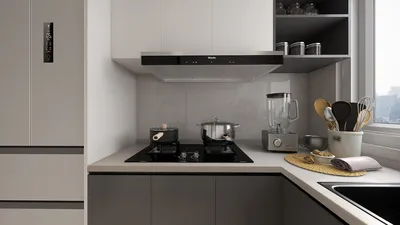


As enthusiasts engage with the latest Animal Crossing update, blending digital creativity with real-world spaces becomes increasingly inspiring. The game's focus on customizing islands mirrors our growing desire to personalize living environments, encouraging innovative furniture designs that adapt to evolving tastes. Integrating tech-savvy features into home interiors allows us to create spaces that are both functional and imaginative, reflecting the playful spirit found in virtual worlds.
Quick Summary
- Sealing gaps and cracks with acoustic caulk is one of the simplest yet most effective techniques to minimize noise infiltration.
- Effective materials for soundproofing exterior walls include mass-loaded vinyl, soundproof drywall, and acoustic panels; mass-loaded vinyl is particularly advantageous for blocking sound by adding weight.
- Installing fiberglass or foam insulation tightly between studs significantly boosts sound absorption.
Soundproofing your exterior walls is essential for cultivating a tranquil living space. Whether situated in a bustling urban area or near a busy thoroughfare, noise can disturb your peace. Fortunately, various effective strategies exist to soundproof your exterior walls, reinforcing your home as a quiet haven.
Understanding Soundproofing Materials
To effectively soundproof your exterior walls, it's vital to familiarize yourself with the different available materials. Some efficient choices include mass-loaded vinyl, soundproof drywall, and acoustic panels. Notably, mass-loaded vinyl enhances sound elimination by contributing weight to the walls.
Sealing Gaps and Cracks
A straightforward yet effective method for soundproofing involves sealing any gaps or cracks within your walls. Utilize acoustic caulk to fill these voids, as sound frequently escapes through the smallest openings. This approach can significantly curb noise infiltration, rendering your home quieter.
Insulation Techniques
Incorporating insulation into your walls can greatly improve soundproofing. Explore options like fiberglass or foam insulation, which aids in temperature control while also absorbing sound. Ensure that the insulation is snugly fitted between the studs for optimal effectiveness.
Exterior Modifications
At times, modifying the exterior of your home can help diminish noise. Adding a layer of soundproofing material to the exterior surface can furnish an additional barrier. Furthermore, planting trees or shrubs can act as a natural sound barrier, obstructing street noise.
Professional Solutions
For those experiencing substantial noise challenges, consulting a professional soundproofing contractor may be worthwhile. They can evaluate your specific scenario and propose customized solutions to ensure maximum noise reduction, possibly using tools like Homestyler to visualize the changes.
Reflecting on Your Soundproofing Journey
Remember, soundproofing is a journey. With the right materials and methods, you can create a serene environment that improves your quality of life. What challenges do you face regarding noise in your home? Share your insights below!
FAQ
Q: What is the best soundproofing material for exterior walls? A: Optimal materials include mass-loaded vinyl, acoustic panels, and soundproof drywall, depending on your specific needs.



Looking to transform your home? Homestyler is your go-to online design platform! With its user-friendly design tool, stunning 3D renderings, extensive design projects, and helpful video tutorials, you'll effortlessly create beautiful spaces that reflect your style. Start your design journey today!
Progetta ora GRATIS
































