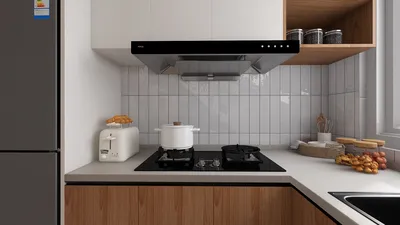


I once made the mistake of installing a pendant light upside down in a client’s converted studio, and it wasn’t until the opening party that I realized the blunder — the shadow cut the cake in half, resembling a crime scene. This embarrassing experience taught me how crucial proper lighting is; it can dramatically influence even the most sophisticated set designs. In compact spaces, small decisions can lead to significant impacts. With the appropriate fixtures and staging, a mere 30 sqm area can evoke the feeling of a luxurious boutique hotel lobby, especially when enhanced by tools like Homestyler for design planning.
1. Implementing layered lighting for depth
To start, I always recommend utilizing three layers of lighting: ambient, task, and accent. Ambient lighting ensures that the entire set remains visible on camera, task lighting focuses on areas where activity takes place, like a reading corner or a makeup station, while accent lighting introduces a spark — consider picture lights or LED strips tucked behind a floating shelf. The benefit? Enhanced scene richness and improved mood management. The challenge lies in needing independent circuits or smart controls to prevent the hassle of juggling switches during filming.
save pin
2. Opt for warm, directional fixtures to highlight faces
For smaller sets, I tend to prefer warm color temperatures (around 2700–3000K) and fixtures that direct light, such as adjustable sconces and mini-spotlights. These choices not only flatter people but also accentuate textures in props. This subtle technique became evident during an interview shoot where harsh cool fluorescent lights washed out details — we switched to a warm sconce, and the set gained life instantly. Be aware, these may necessitate dimmers and diffusion to mitigate harsh shadows.
save pin
3. Strategically using reflective surfaces to bounce light
Incorporating mirrors, glossy tabletops, and even brass elements can serve as secondary light sources that soften shadows and create an illusion of spaciousness. I once staged a cramped kitchenette with a mirrored backsplash, and it effectively doubled the perceived depth on camera. Take caution, however, as excessive reflection may lead to hotspots; employing baffles or selecting matte finishes in glaring spots can mitigate this issue.
save pin
4. Blending practicals into the design
Design features such as exposed bulbs, neon signs, or sculptural lamps can function as both props and light sources. I enjoy using a pendant as a focal point over a coffee table, grounding the scene. This technique reduces clutter by allowing the fixture to serve dual purposes. The downside? Trendy items can quickly go out of style, so it's best to balance statement pieces with timeless lighting options.
save pin
5. Employing zone lighting for multifunctional small sets
When a set needs to accommodate various scenes—like dining, working, and lounging—zoned lighting can save a lot of time. Using track lights or smart bulbs makes switching moods between setups efficient. I once implemented this for a web series filmed in a micro-apartment, cutting transition times by half. Just a heads-up: careful planning and labeling of circuits are essential from the beginning.
save pin
FAQ
Q: What is the best color temperature for lighting in small set designs?
A: For warm and inviting scenes, aim for a color temperature between 2700–3000K; 3500K can work well for modern, neutral environments. Warmer accents help to soften the appearance of faces.
Q: Can LED strips replace professional lighting?
A: While LED strips are excellent for accent and edge lighting, they shouldn't completely replace key lights; for optimal results, combine them with directional fixtures.
Q: How can I manage glare from reflective props?
A: You can soften glare through diffusion, adjusting the position of lights, or applying anti-glare film to highly reflective surfaces.
Q: Are dimmers crucial for set lighting?
A: Absolutely — dimmers provide essential control over the atmosphere and exposure without necessitating fixture adjustments, saving valuable time during shoots.
Q: What is an easy method to make a compact set appear larger with lighting?
A: Incorporate uplighting or hidden LED strips near the ceiling and utilize mirrors to reflect light; this elevates the perception of height and space.
Q: Can smart lighting systems be advantageous on set?
A: Without a doubt—smart bulbs and customizable scenes allow for instantaneous preset switches. For technical references on illuminance and color rendering, consult the IES (Illuminating Engineering Society) guidelines: https://www.ies.org/.
Q: How should I approach lighting for small kitchens for both practicality and filming?
A: Combine under-cabinet task lights with warm ambient downlights and an accent fixture over the island; this layered approach caters to both cooking functionality and camera needs.
Q: Is it costly to implement a proper lighting strategy for a small set?
A: You can manage a lighting plan on any budget—begin with a solid key light and gradually incorporate additional accents as finances allow. I often reuse fixtures across projects to cut costs.
save pin
Originally incubated at Autodesk, Homestyler has grown into one of the most widely adopted home design platforms in the world, now trusted by over 18 million users. Whether you're a homeowner exploring ideas or a professional designer delivering client-ready renders, Homestyler brings industry-leading 3D technology to your fingertips — no experience required.
Discover the magic of home design with Homestyler! This user-friendly platform offers an intuitive online design tool, stunning 3D renderings, and a wealth of inspiring design projects and DIY video tutorials. Transform your space effortlessly and unleash your creativity today!
Concevez maintenant gratuitement
































