


In the kitchen, small insects can appear seemingly overnight, attracted to food residues, moisture, and warm, hidden spaces. To effectively deal with this issue, I focus on quick removal using methods that are low in toxicity, while also implementing long-term prevention strategies through proper storage, thorough cleaning, and effective sealing. The urgency of this situation cannot be overstated: fruit flies can transition from egg to adult in approximately 8 to 10 days, and house flies can reproduce within the same timeframe under optimal conditions, so immediate action coupled with ongoing diligence is crucial.
Behaviorally speaking, these pests are closely tied to the availability of food and moisture. Research indicates that maintaining cleanliness in the workplace diminishes the risk of contamination; studies by Steelcase show that organized and clutter-free environments promote better hygiene practices. In kitchens, sealing food tightly and minimizing exposed surfaces can significantly reduce attraction levels. The WELL v2 guidelines highlight the importance of managing potential pest sources such as trash bins and any standing water present to foster healthier indoor settings, thus aiding in pest reduction efforts. Regarding lighting, I recommend avoiding warm, dimly lit corners that could provide comfort for insects, instead opting for brighter ambient lighting around 300 to 500 lux, per IES recommendations for general tasks, which facilitate more efficient inspections and cleaning operations. For those interested in a deeper dive into healthy indoor standards, the WELL v2 framework offers a collection of well-structured strategies focused on environmental upkeep (v2.wellcertified.com).
Prompt Action: Eliminate Sources Within 30 Minutes
To tackle the attractants head-on, start by disposing of overripe fruits, opened packages, and sticky residues right away. Ensure trash is tied up and taken out without delay, rinse recyclables, and wipe down bins thoroughly. It’s crucial to perform a quick sink action: clear any food debris from the drain basket, flush it with hot water, and then pour in half a cup of baking soda followed by a cup of vinegar to disrupt breeding films associated with drain flies. Finally, wipe down countertops, backsplashes, and handles using a food-safe cleaner; I prefer microfiber cloths for removing fine residues that insects like ants and fruit flies are drawn to.
Focused Removal: Tackling Fruit Flies, Ants, Drain Flies, and Pantry Moths
For fruit flies, set up 3 to 4 traps immediately. Utilize a shallow dish filled with apple cider vinegar and a drop of dish soap (this helps break surface tension). Position these traps near the sink, compost bins, and fruit bowls; you should begin to see captures within an hour. Covering or refrigerating fruit will further hinder the breeding cycle.
Regarding ants, trace their trail back to the entry point. Wipe down the trails using a vinegar-water solution (in a 1:1 ratio) to disrupt their pheromones, and then seal up any gaps. Deploy enclosed ant baits close to the trails rather than using sprays—worker ants carry the bait back to their colony. You can expect a visible reduction in their numbers within 24 to 48 hours.
For drain flies, scrub the inner walls of the drain carefully, since these films serve as breeding grounds for the pests. Following this, flush the area with very hot water. Keep repeating this process for overflows in sinks as well. To confirm fly activity, place clear tape over the drain overnight and check in the morning.
When addressing pantry moths, inspect the contents of grains, flour, and nuts. Look out for webbing within bags or along creases of boxes. Discard any infested items and conduct a thorough vacuuming of shelves and crevices. Store replacements in airtight glass or high-quality plastic containers.
Intelligent Cleaning Schedule: Daily, Weekly, Monthly
On a daily basis, wipe down counters, rinse sponges, and dispose of small food scraps, while ensuring to run the disposal with hot water. It’s also important to keep the sink dry overnight, as moisture will attract gnats and drain flies.
For weekly tasks, vacuum under appliances, clean the fronts and handles of cabinets, wash out the interiors of trash bins, and tidy up the edges of the floor. I’ve adopted a 20-minute kitchen reset routine—clearing surfaces, checking on fruit, and moving open packages into sealed containers.
As for monthly activities, pull the fridge away from the wall, clean the drip pan, and check caulking lines for any gaps. Replacing worn door sweeps can also substantially minimize ant entry.
Storage and Design That Discourage Pests
It’s essential to seal your supplies. Transfer grains, flours, sugars, pet food, and snacks into airtight containers, ensuring to label and date them. Using vertical risers helps eliminate the dark, hidden stacks where pests can lurk. Organize storage by use (like baking materials, snacks, and grains) to enable quick inspections without the need to unpack an entire cabinet.
If you are reorganizing your cabinets or considering a kitchen makeover, it’s beneficial to use a room layout tool such as Homestyler. This can help simulate traffic flow and cleaning access, leading to reduced clutter-prone areas and improved access to bins and sinks.
Light, Color, and Material Choices: Design Selections That Aid
Lighting plays a crucial role; a bright, uniform ambient light of around 300 to 500 lux enhances visibility for spotting crumbs and spills. Adding task lights over preparation areas minimizes shadows where insects might rest.
The psychology of color suggests that cooler, cleaner tones (like soft grays or crisp whites) make residues more visible faster than darker, saturated hues. This promotes better cleaning habits.
When it comes to materials, opt for smooth, non-porous countertops and backsplashes that allow for easy cleaning. It’s wise to avoid deep textures near cooking areas. Additionally, employing sustainable silicone or EPDM gaskets around sinks and counters ensures that micro gaps, where ants may enter, are effectively sealed.
Moisture Control and Ventilation
Make it a point to dry sinks and dish racks at night, repair any slow leaks, and run range hoods while cooking to minimize moisture. Ensure that under-sink cabinets are adequately ventilated; consider installing a small louver or initiating a periodic routine of opening doors to prevent damp pockets that attract drain flies and ants.
Safe, Minimal Chemical Use
Utilize targeted baits for ants and enclosed sticky traps for flies. Limit the use of sprays in food zones; mechanical cleaning and sealing prove to be more efficient. The vinegar-soap trap for fruit flies is quick and has a minimal environmental impact. If employing diatomaceous earth for ants, apply a thin line along entry points, keeping it away from food preparation areas.
Sealing and Controlling Entries
Caulk any gaps surrounding pipes, baseboards, and window frames. Replace damaged screens and use door sweeps to close gaps under doors. For older kitchens, foam seals around penetrations can significantly limit ant access.
Quick Checklist for Immediate Actions
- Dispose of ripe fruit and take out the trash; rinse recycling materials.
- Eliminate drain films with hot water washes and the baking soda/vinegar technique.
- Set up vinegar traps for fruit flies; place 3 to 4 traps in high activity areas.
- Wipe down ant trails using a vinegar-water mix, and put down baits.
- Vacuum shelves, examine grains, and transfer contents to airtight containers.
- Ensure sinks are dried overnight; resolve leaks, and increase task lighting.
Frequently Asked Questions
By utilizing several vinegar-soap traps and removing ripe fruit, you should observe a marked decline in pest activity within 24 to 48 hours. It’s advisable to keep traps in place for a week to catch any late hatchers.
Small flies tend to thrive in dim, warm-toned areas. Maintaining well-balanced ambient lighting of around 300 to 500 lux—per task guidance from IES—enhances inspection and cleaning efficiency, thereby reducing insect comfort indirectly.
While bleach can be effective, it does not adhere to biofilms. More effective results come from mechanical scrubbing of the drain wall along with subsequent hot water flushes. Regular maintenance is essential to prevent regrowth of pest populations.
Disrupting the trail with a vinegar-water wipe and then placing enclosed baits along it should be your strategy. Refrain from using sprays; baits target the colony, generating better outcomes within 1 to 3 days.
Indeed. Eliminating exposed food sources is the most significant behavioral deterrent. Storing items in airtight containers prevents pantry pests and disrupts scent trails that attract ants and flies.
To confirm pest activity at the drain, place clear tape over it overnight. If you discover small, fuzzy-winged flies stuck to the tape by morning, you have identified the source of the problem.
Some essential oils may deter ants and flies, but results generally vary. These should be seen as supplementary measures rather than primary control methods. Sealing, cleaning, and using baits are far more dependable options.
Enhance ease of access to the sink, trash, and preparation areas to simplify cleaning processes. Minimize deep corner storage that conceals crumbs. Utilizing an interior layout planner like Homestyler can assist in reducing such clutter traps.
For fruit flies, it's best to renew traps every 2 to 3 days for up to 1 to 2 weeks. As for sticky fly traps, replace them once saturated or every 7 to 10 days.
If you continue to notice pest activity after two weeks of addressing sources, sealing, and using targeted baits—especially with persistent pantry moths or ants—an inspection might uncover hidden structural entrances or nesting locations.
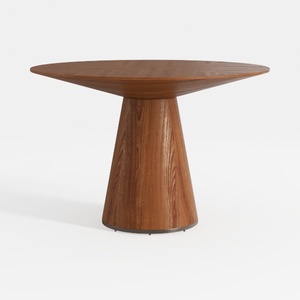
Round Dining Table Set for 4,45'' Farmhouse Dining

Tribesigns 47" Round Dining Table for 4, Farmhouse


Discover the ease of home design with Homestyler! This online platform offers an intuitive design tool, stunning 3D renderings, a wealth of inspiring design projects, and insightful DIY video tutorials. Transform your space effortlessly and unleash your creativity today!
今すぐ无料でデザイン
































