

I once visited a client's home under the impression that we were going to discuss a backsplash, only to discover their toddler had transformed the living room wall into a patchwork of paint chips. That experience taught me two valuable lessons: even minor damage can have a significant visual impact, and implementing a proper room layout process is crucial in determining whether to simply touch up the area or to go for a complete repaint. Thanks to this layout planning, we saved time preparing for both the repair and repaint.
1. Quick touch-up using matching paint
For small chips, the quickest solution is to find paint that matches the original color and apply it with a small brush. I always test a discreet area first, as sometimes the sheen or age of the paint can cause the repair to stand out. The benefits are clear: it's economical and swift. However, if the wall has faded, achieving an exact match can be quite challenging.
2. Fill, sand, and prime for deeper chips
When the chip reveals drywall or plaster, I opt for a lightweight spackling compound, smooth it out once dry, and then apply a primer before painting. This ensures a smooth finish and prevents the repair from becoming visible later on. Although it takes more time, the end result appears professional.
save pin
3. Utilize colored pencils or markers for micro chips
For fine chips or scratches appearing on walls that experience high traffic, a color-matched furniture touch-up pencil or paint marker can conceal the imperfection instantly. I always keep a small kit of these pencils in my van—they are invaluable for those last-minute showings. While not suitable for larger areas, they are perfect for fast fixes.
save pin
4. Blend and feather when there's a sheen difference
If the existing paint is older or has a different sheen, I blend the new paint into the surrounding areas using a damp sponge or a dry brush technique. For extensive updates, I occasionally sketch a basic floor plan to visualize which walls to repaint, ensuring the finish appears cohesive. This process requires time and practice, but prevents a patchy finish.
save pin
5. Transform chips into design features
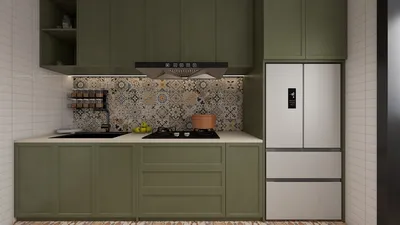
When chips are widespread, think about turning the flaw into a design feature—such as a textured accent wall, a gallery display area, or a contrasting paint stripe. I once applied this approach in a compact kitchen; rather than repainting entirely, we added a painted stripe that helped to camouflage the chips while rejuvenating the entire space. When redoing a kitchen wall, the same strategic planning I use for layout applies—often relying on kitchen design tips when making decisions about finishes, including using a tool like Homestyler for visualizing layouts.
save pin
FAQ
Q1: What materials do I need to fix paint chips?
A: Essential materials include the matching paint, small brushes or cotton swabs, spackling compound, sandpaper (120–220 grit), primer, and a clean cloth. For tiny chips, color-matching pencils can be useful.
Q2: How do I determine the original paint color?
A: Look for leftover paint cans in the house, peel a label from a nearby door jamb, or take a small sample to a paint store for color matching. Be prepared for slight variations if the wall has faded over time.
Q3: Is priming necessary for the patched area?
A: Yes, for exposed drywall or significant repairs; primer seals the patch and improves paint adhesion, making the repair blend in more seamlessly.
Q4: Can I employ a roller for touch-ups?
A: Rollers are acceptable for larger areas but may result in texture differences on small patches. For minor chips, I prefer using a brush and feathering technique.
Q5: Is it safe to repair paint in older houses?
A: If your home was constructed before 1978, there is a possibility that the paint contains lead. The EPA provides guidelines for lead-safe practices—visit the EPA's lead information page for safety precautions and testing suggestions.
Q6: How long should I wait between priming and painting?
A: Follow the product's instructions; typical primers dry within 1–4 hours, but allowing a full overnight wait can ensure better adhesion, especially in humid conditions.
Q7: What budgeting strategies can assist with paint repairs?
A: Opt for sample pots for minor repairs, maintain a touch-up kit, and consolidate small repairs to save time. If you have multiple chips, a partial repaint can be more cost-effective than repeatedly making small spot repairs.
Q8: When is it necessary to repaint the entire wall?
A: It is time to repaint if there are numerous chips, noticeable discoloration, or inconsistencies in sheen on the wall. If you are considering refreshing a room, combining layout planning with decisions on repainting will provide the best long-term outcome.
save pin
Homestyler is your go-to online home design platform! With its user-friendly design tool, stunning 3D renderings, and a wealth of inspiring design projects and DIY video tutorials, you can effortlessly create and visualize your dream space. Start designing today!
Design Now for FREE
































