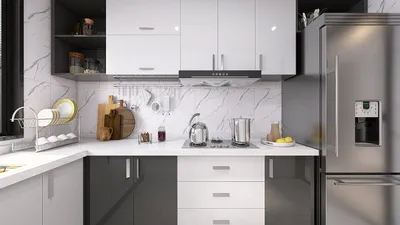


I once had a client who insisted that their compact studio required a chandelier, claiming it makes a statement—even if it was hilariously affixed just inches above the bed. This experience almost convinced me to appreciate chandeliers as art positioned near knees and ceilings, but it also highlighted that clever lighting solutions outshine ostentatious fixtures in small spaces. In this context, small areas can trigger vast ideas, and I’ll outline five effective lighting strategies I’ve successfully implemented in actual kitchen and studio renovations, incorporating tools like Homestyler.
1. Create Layers of Light for Dimension
I typically start by implementing three distinct layers of lighting: ambient, task, and accent. In a snug kitchen setup, I merged recessed ambient lighting with under-cabinet task strips and a pendant light above the breakfast bar. This approach enhances visual depth and functionality while minimizing clutter. The challenge lies in synchronizing dimmers so that light scenes transition seamlessly. Pro tip: opt for LED strips for longevity and reduced heat output.
save pin
2. Incorporate Mirrors and Reflective Surfaces
One of my preferred techniques involves positioning a low-profile wall sconce opposite a glossy backsplash or mirror to reflect light throughout the room. This method amplifies illumination, making the area appear more expansive and luxurious. It’s straightforward and budget-friendly, although care must be taken with placement to prevent glare on screens or work surfaces.
save pin
3. Opt for Compact Fixtures with Character
Using small clusters of pendants or slender wall sconces adds a designer flair without overwhelming the space. In a narrow corridor, I arranged three petite pendants in a linear formation—they resemble artwork. The advantage is that you can achieve significant style in a small footprint; however, scale miscalculations can be glaring, so it's wise to create mock-ups before making permanent decisions.
save pin
4. Integrate Lighting within Furniture and Millwork
I've designed custom cabinetry featuring concealed toe-kick lighting, illuminated open shelves, and headboards incorporated with reading lights. These integrated solutions optimize floor and tabletop spaces while providing a layered glow. Although they may incur higher carpentry costs, these installations feel bespoke and intentional, which ultimately enhances resale value and everyday comfort. If you're taking the DIY route, plan your wiring ahead of time.
save pin
5. Utilize Smart Lighting Scenes in Multifunctional Rooms
In small apartments, where every square foot serves multiple purposes, I configure lighting scenes that transition from bright task illumination for cooking to cozy ambient lighting for relaxing evenings. Smart dimming and color temperature control make the space adaptable. While initial setup and compatibility can pose minor challenges, once operational, you’ll wonder how you ever managed without it.
To sketch out lighting concepts quickly, I sometimes utilize a digital planner like Homestyler to experiment with fixture placements and sightlines, saving time and preventing design mishaps like overly low chandeliers.
save pin
FAQ
Q1: What is the optimal lighting strategy for a studio apartment?
A1: Layering ambient, task, and accent lights effectively creates distinct zones; dimmers enhance the mood. Start with essential task lighting (for cooking and reading) and add accent pieces as the budget allows.
Q2: Are LEDs suitable for lighting in small spaces?
A2: Absolutely—LEDs are energy-efficient, generate minimal heat, and are available in various color temperatures. Select high CRI LEDs (90+) for true color representation in compact areas.
Q3: How can glare be avoided when using reflective surfaces?
A3: Position fixtures away from direct sightlines and utilize diffusers or frosted glass. You can also emulate lighting angles using a phone flashlight to check for potential reflections beforehand.
Q4: Is investing in smart lighting worthwhile?
A4: Yes, for multifunctional spaces—lighting scenes enhance flexibility and comfort. Begin with a single smart dimmer or bulb and expand from there as needed.
Q5: How do I select a fixture that is appropriately scaled?
A5: Measure sightlines and ensure pendants hang 28–34 inches above counters; fixtures should complement furniture and room width. When in doubt, opt for a smaller diameter instead of increasing height.
Q6: Is it feasible to retrofit integrated millwork lighting?
A6: Generally, yes, though it’s simpler during renovations. For retrofitting, surface-mounted LED profiles can replicate integrated appearances with less carpentry required.
Q7: Are there safety regulations for kitchen lighting?
A7: Yes, utilize fixtures rated for use near water and ensure adequate insulation and ventilation. Adhere to local electrical codes and seek advice from a licensed electrician for hardwired installations. For best practices, consult the National Electrical Code (NEC) regarding fixture placements and circuits.
Q8: How can I visualize lighting options before making a purchase?
A8: I suggest using straightforward digital mock-ups and mood boards; testing samples in your space throughout various times of the day is invaluable. Additionally, tools like Homestyler can allow you to visualize fixture placements in floor plans to preview your design.
save pin
Homestyler's roots trace back to Autodesk, the global leader in design and engineering software. That heritage lives on in every feature we build. Today, with a community of more than 18 million users worldwide, Homestyler continues to make professional-quality interior design accessible to everyone — from first-time decorators to seasoned architects.
Homestyler is your go-to online home design platform! With its user-friendly design tool, stunning 3D renderings, and a wealth of DIY video tutorials, you can effortlessly create and visualize your dream spaces. Transform your home design ideas into reality with ease and inspiration!
Design Now for FREE
































