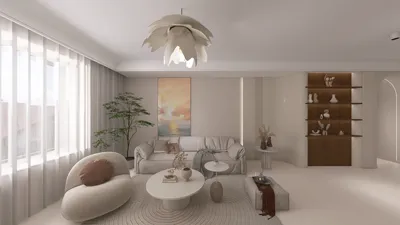


Dimly lit spaces convey a sense of intimacy and can evoke a cinematic feel, yet they can quickly become unwelcoming due to clutter and inadequate lighting. I view such environments as high-contrast canvases where the focus shifts to minimizing visual distractions while enhancing task illumination and creating illuminated pathways. In workplaces, lighting is crucial for performance, with studies from Steelcase indicating that poor lighting can lead to fatigue and lowered productivity; in contrast, thoughtfully designed lighting layers can boost focus and overall wellbeing. WELL v2 emphasizes the importance of glare management and melanopic lighting to help regulate circadian rhythms, highlighting that the quality of light—not just the quantity—affects comfort and alertness.
Before implementing storage solutions, I assess the activities and light requirements of the space. The Illuminating Engineering Society advises that general tasks require approximately 300-500 lux, scaling up to 1,000 lux for detailed work, ideally with correlated color temperatures between 3000-4000K for optimal comfort in both living and task areas (as per IES guidelines). In darker environments, I prioritize layered lighting: ambient light for broad coverage, task lighting for specific tasks, and accent lights for added depth. Research conducted by Herman Miller demonstrates that environments that manage glare and establish clear visual hierarchies mitigate cognitive load, essential for keeping a dark room from feeling visually overwhelming.
Define the Room's Purpose Before Organizing
I begin by identifying two or three main activities—such as reading, entertainment, hosting, or dedicated work—and designate zones accordingly with tailored lighting and storage solutions. This strategic approach avoids generic setups that may appear organized but fall short in practical use. If the room's arrangement is subject to changes, I utilize an interior design tool, like Homestyler, to visualize optimal pathways and furniture placements, ensuring convenient circulation and clear sightlines.
Utilize Light as Your Organizational Structure
In spaces with limited light, illumination becomes the key organizational element. I incorporate three lighting layers: 1) Ambient lighting from ceiling or wall fixtures to achieve approximately 200-300 lux uniformly; 2) Task lighting via adjustable lamps providing 500-750 lux on work surfaces; and 3) Accent lighting producing 150-250 lux to enhance artwork, shelves, or textured walls. Maintaining a cohesive color temperature (3000-3500K for living areas; 3500-4000K in work zones) prevents an uneven lighting appearance. It's essential to prioritize indirect and shielded fixtures to reduce glare discomfort; guidelines from WELL v2 and IES advocate for diffuse, low-UGR lighting solutions for visual comfort.
Embrace Dark-on-Dark Storage Solutions
Rather than resisting the darkness, I opt to embrace it fully. Utilitarian built-ins in matte charcoal or deep walnut draw attention away from reflections, fostering a tranquil ambiance. I recommend using concealed hardware and touch-to-open mechanisms to maintain a streamlined facade. Inside these units, light or warm-toned wooden finishes enhance visibility. Additionally, light-colored organizers keep contents easily accessible without contributing to glare.
Manage Contrast Instead of Just Clutter
Diminishing clutter often involves tackling contrast issues. A shiny white box amidst a predominantly dark environment tends to stand out excessively. I strive for a consistent light reflectance value (LRV) in the range of 5-20 for most large surfaces while allocating midtones (LRV 25-45) for functional elements needed at a moment’s notice. This coordinated approach helps eliminate visual noise, making the space feel larger and more serene.
Establish a Clear Circulation Path
In darker rooms, it's vital to maintain visible pathways. I ensure a clear route of 900-1,050 mm, illuminated with low-glare sconces or linear lighting at 100-150 lux. This strategy enhances safety while avoiding excessive brightness throughout the area. For spaces that allow multiple furniture layouts, I simulate alternative configurations with a layout design tool to evaluate sightlines to entry points and windows, along with the balance between seating and storage through a room design tool such as Homestyler.
Strategic Display with Ample Storage
On open shelves, I curate displays based on form and access frequency; taller pieces are placed at the ends, and smaller, tactile items are positioned at eye level. Everything else is stored behind closed doors. In dark settings, I include micro-LED strips producing 200-300 lumens per meter along upper shelves to prevent glare, using diffusers and lighting with a CRI of 90+ for optimal color accuracy. This transformation allows storage areas to act as gentle light sources while preserving item visibility.
Textiles that Absorb Yet Maintain Depth
Materials such as rugs, drapes, and upholstery serve dual purposes: they enhance acoustics and mitigate glare. I choose textured fabrics like boucle, wool felt, and dense twill that can capture light while maintaining dimensionality. Opt for medium-dark textiles with intricate patterns to ensure they retain their shape in low-light environments. The acoustic properties are significant as they help reduce sound reverberation, contributing to clarity of speech and promoting a calming atmosphere in compact, darkened spaces.
Utilizing Color Psychology with Care
Deep shades can create a sense of security and concentration. Research in color psychology indicates that cool tones like blues and greens promote calm and improve attention, while warm neutrals foster a welcoming environment. In work areas, I place highly saturated colors beyond direct sightlines to prevent fatigue. If the artwork is colorful, I opt for neutral surfaces nearby, offering the eyes a place to rest.
Managing Cables, Power, and Technology Discreetly
Disorder arises when cables become visible. I design a power distribution plan at the outset, including floor outlets under tables, grommets near media consoles, and magnetic cable channels along desks. For media walls, I prioritize vented panels with removable backs and labeled cables; in low light, high-contrast labels (light text on a dark background) are easier to see.
Establishing Balance and Proportions
I maintain a predictable vertical rhythm by aligning shelf or door lines in uniform increments (e.g., 320-360 mm spacing). Horizontal masses should gradually decrease towards pathways to create a sense of lightness where movement occurs. Visual symmetry is particularly crucial in darker environments; while asymmetrical designs can be appealing, they require balancing elements—often in the form of illuminated areas or lighter textiles.
Maximizing Functionality in Small Spaces
In compact areas, I integrate storage creatively: recessed niches between wall studs, window seats with drawers, and headboards concealing shallow cabinets. Selecting low-profile furniture and elevating storage 60-100 mm off the ground with a shadow reveal creates a floating effect, enhancing the overall design in low light conditions.
Implementing Sustainable Maintenance Routines
Sustaining organization relies heavily on habits. I incorporate a quick five-minute evening routine: declutter surfaces, align textiles, store devices in hidden trays, and return remote controls to a designated caddy. Effective lighting is essential to assist with tidying up; motion sensors at entry points and under-shelf lighting reduce friction in maintaining order.
Key Considerations for Light and Space Design
For optimal lighting strategies and glare management, I reference IES recommended guidelines and WELL v2 lighting concepts to achieve balanced illumination and visual comfort. Research from workplace experts like Herman Miller and Steelcase confirms the significant relationship between thoughtfully layered lighting, reduced glare, and cognitive efficacy. For further insights, explore IES standards and WELL v2 resources.
Frequently Asked Questions
Aim for ambient lighting of 200-300 lux combined with task lighting layers at 500-750 lux near seating and reading locations. Maintaining color temperatures around 3000-3500K helps retain warmth while avoiding muddiness.
Utilize indirect fixtures, diffusers, and matte finishes. Position task lights slightly off-axis from direct sightlines. Follow low-UGR practices from IES and WELL to alleviate discomfort due to glare.
Indeed—managing contrast and maintaining coherence among surfaces is key. Use consistent LRVs for larger planes, incorporate vertical lighting (wall grazing), and keep furniture elevated to reveal more floor area, creating a sense of spaciousness.
Select matte dark finishes or laminates for exterior surfaces to minimize reflections, while opting for lighter interiors to enhance visibility. Push-to-open designs and integrated handles keep appearance consistent.
Absolutely. Incorporating dimmers on ambient and accent circuits allows adjustment of contrast based on activity and time, aligning with circadian comfort principles outlined in WELL v2.
With a CRI of 90 or above, you ensure precise color representation on fabrics, books, and artwork—essential in low-visibility environments where subtle color variations are more pronounced.
Outline a visible circulation path (900-1,050 mm) and place storage along the perimeter walls. Test various arrangements with design tools like Homestyler to visualize physical reach and flow.
Incorporate layered elements such as rugs, lined curtains, upholstered seating, and shelves filled with books. Aim to disrupt straightforward reflective surfaces; even small-scale absorption can enhance the tranquility of a compact dark room.
For workspaces: utilize 3500-4000K for clarity and alertness. For lounge areas: 2700-3000K provides warmth. Each zone should maintain internal color consistency to avoid visual dissonance.
Utilize under-desk trays, adhesive cable raceways that match wall finishes, and labeled Velcro ties for organization. Ensure power outlets are conveniently located near where devices are in use, not just at the walls.
Incorporate adjustable wall lighting or accent fixtures with 20-30° beam spreads, designed to achieve a 3:1 contrast ratio over ambient light. Ensure fixtures are dimmable and match the room’s color temperature.
Integrate plug-in wall sconces, uplighting, and LED bookshelf strips on smart plugs. A layered lighting arrangement can still meet IES-recommended levels, providing both form and function.
Homestyler is your go-to online home design platform, perfect for anyone looking to create stunning spaces effortlessly. With its user-friendly design tool, incredible 3D rendering, diverse design projects, and helpful video tutorials, transforming your home has never been easier or more inspiring!
立即免费设计
































