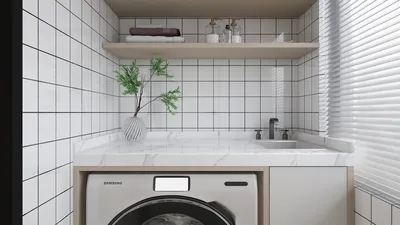


During a project, a client requested a sink to be positioned "somewhere near the washer," but it ended up blocking the dryer door. This rookie oversight taught me valuable lessons. Since then, I've learned to approach sink placement with greater foresight, treating the layout as a dance rather than just addressing plumbing needs. If you're searching for effective laundry room utility sink ideas, the space layout suggestions I utilize will help you avoid chaotic reconfigurations and maintain a smooth workflow.
1. Spacious, Multi-Compartment Utility Sink
I always advocate for a deep, double-compartment sink, especially for clients who engage in a lot of soaking or hand-washing. It’s the ideal choice for handling muddy boots and delicate fabrics. The clear advantages include distinct areas for soaking and rinsing, which minimize splashes, while typically pairing nicely with a pull-down faucet. However, this option requires taller cabinetry and potentially higher water consumption unless you get innovative with your basin choices, particularly with Homestyler layouts.
save pin
2. Space-Saving Wall-Mounted Sink
For compact laundry spaces, a fold-down wall-mounted sink is an absolute game changer. You gain a functional workspace when needed, and it frees up wall space when not in use. This option is budget-friendly and straightforward to install, but ensure your wall can support it — solid backing is essential for the hinges, and heavy loads may be challenging.
save pin
3. Combined Countertop and Sink Solution
One of my go-to tricks for small areas is positioning a shallow sink within a continuous countertop, running over the washer. This setup enhances visual continuity and provides folding space conveniently adjacent to the basin. For those contemplating layouts before making purchases, use Homestyler to simulate effective workflows on paper first; the same principles apply in laundry areas.
save pin
4. Classic Farmhouse Sink with Contemporary Faucet
Many clients are drawn to the aesthetics of a farmhouse apron sink, and I can see why — they photograph beautifully and can become a central feature of the room. While they offer ample space and durability, be aware they require reinforced cabinetry and a faucet with a long reach for optimal functionality.
save pin
5. Concealed Pull-Out Utility Sink
Looking for a tidy solution? A pull-out sink hidden within a tall cabinet or base drawer keeps the area neat and the countertops clear of clutter. This design is not only elegant but also child-friendly. However, plumbing access can be tricky, so I always envision how everything will move and dispose of water effectively beforehand — visualizing spatial flow is essential to prevent surprises during installation.
save pin
Frequently Asked Questions
Q1: What is the ideal size for a utility sink in a small laundry area? A shallow sink measuring approximately 18–20 inches wide and 6–9 inches deep is suitable for tight spaces; opt for a deeper basin only if you frequently wash large items. Measure clearances for appliances and aim to leave at least 18 inches of countertop space when possible.
Q2: Which materials are best for durability in laundry sinks? Common options include stainless steel, cast iron with enamel, and solid surface materials. Steel is lightweight and cost-effective, while cast iron is incredibly sturdy but can be heavy. Solid surfaces do an excellent job of hiding stains. Choose based on your budget, weight considerations, and the level of use you anticipate.
Q3: Can I install a utility sink by myself? If you're comfortable with basic plumbing and have shut-off valves already installed, a simple drop-in or wall-mounted sink can be manageable as a DIY project. For new drainage solutions or moving appliances, it’s advisable to hire a professional to avoid any code violations.
Q4: How can I prevent splashes from a laundry sink? Opt for a faucet with a pull-down sprayer or aerator, and select a sink with higher walls; splash guards or angled rims can also be beneficial. Be mindful of the sink's location in relation to the washer’s door to avoid unnecessary double splashes.
Q5: Is it permissible to reuse water from a laundry sink for graywater? Graywater systems come with their own regulations and treatment protocols; it's important to check local codes before repurposing sink water. For dependable guidance on water reuse and efficiency, refer to resources from the U.S. Environmental Protection Agency's WaterSense: https://www.epa.gov/watersense.
Q6: What are some cost-effective sink options? A simple stainless drop-in basin or a repurposed utility tub serves the purpose well without straining your finances; couple it with a basic wall-mounted faucet to keep expenses down. I often recycle fixtures from demolition projects for clients seeking style on a budget.
Q7: What plumbing considerations should I keep in mind for a hidden pull-out sink? Ensure traps and shut-off valves are accessible behind removable panels and allow extra depth for hoses; a flexible connector will facilitate a smoother installation process. Use cardboard to prototype cabinet internals before cutting plywood to check for clearances.
Q8: What type of lighting is most effective over a laundry sink? Bright, diffused task lighting prevents shadows during hand-washing or stain treatments; an adjustable sconce or under-cabinet LED strip are both excellent choices. Adequate lighting makes stain detection easier and helps expedite finishing tasks.
save pin
Discover the joy of home design with Homestyler! This user-friendly online platform offers an intuitive design tool, stunning 3D renderings, and a wealth of DIY video tutorials. Whether you're a beginner or a seasoned decorator, Homestyler empowers you to create your dream space effortlessly.
Design Now for FREE
































