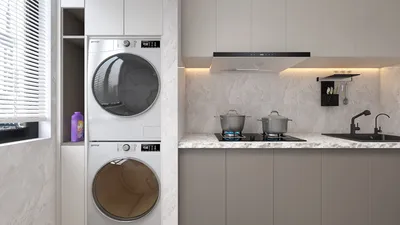


In a previous project, I had a client who emphasized that every recessed light should be centered over a fruit bowl—a unique requirement that almost disrupted the whole design plan. However, this experience emphasized the importance of considering individual habits when planning lighting solutions. Whenever I redesign a kitchen, I utilize a kitchen layout planner, like Homestyler, to ensure that light placements correspond accurately with how people cook and navigate their space.
1. Implementing layered recessed lighting for effective task use and intimate atmosphere
I typically begin with two layers of lighting: a warm, dimmable ambient light provided by recessed cans and brighter, task-centric fixtures located above prep areas. The benefits are clear—this approach helps eliminate harsh shadows and allows for the right ambiance whether it’s breakfast hour or a late-night cleanup. A minor hurdle involves the wiring of separate circuits for dimming, but the resulting flexibility is undoubtedly worthwhile.
save pin
2. Adjusting spacing to avoid shadowy areas
Rather than placing fixtures in a traditional grid pattern, I prefer to offset them away from cabinets and central islands. I learned this after a renovation where a perfectly aligned row left my client working in shadows. Taking the time to offset the lights with precise measurements and mockups ensures uniform light distribution across countertop surfaces. From a budgeting perspective, this mostly involves planning time instead of additional materials.
save pin
3. Combining recessed lighting with undercabinet and pendant fixtures
Recessed lighting provides general illumination, undercabinet strips cater to specific tasks, and a few pendants introduce character into the space. When presenting this concept to clients, I often use a 3D floor planner like Homestyler to visualize how these lighting layers interact on a larger scale. The only challenge lies in achieving a harmonious color temperature—selecting warm whites (2700–3000K) creates an inviting atmosphere.
save pin
4. Utilizing adjustable (gimbal) recessed fixtures for focal accentuation
Gimbal recessed lights provide the flexibility to direct illumination toward features like a backsplash, open shelves, or an artistic hood. This is my preferred choice when a kitchen needs a touch of flair without the burden of bulky fixtures. Although they tend to be costlier than standard cans and require precise installation, they offer impactful accents with minimal visual clutter.
save pin
5. Creating smart zones and scenes with control options
One of my preferred techniques in compact kitchens is implementing zoning—establishing separate circuits for islands, countertops, and general recessed lighting, then linking them to pre-set scenes. Utilizing smart dimmers or interior design plans informed by AI tools like Homestyler can facilitate automatic settings for morning routines, cooking sessions, and gatherings. Though smart systems may involve a higher initial cost and a reliable Wi-Fi connection, the convenience and energy savings ultimately appeal to clients.
save pin
FAQ
Q1: How many recessed lights are ideal for a kitchen?
Typically, I space recessed lighting approximately 4–6 feet apart depending on lumen output and ceiling height. A useful guideline is to divide the ceiling height by two to determine spacing in feet (e.g., for an 8 ft ceiling, aim for about 4 ft of spacing).
Q2: What is the most suitable color temperature?
For kitchen areas, I usually recommend a range of 2700–3000K to create a warm and welcoming environment, or 3000–3500K for a slightly more vivid appearance. It’s important to maintain a consistent Kelvin value across all fixtures to avoid mismatched tones.
Q3: Is it appropriate to install recessed lights over sinks or ranges?
Yes, it's permissible as long as you select fixtures that are rated for damp or wet areas and ensure adequate distance from combustible materials. When placing lights over a range, be mindful of how they interact with hood ventilation.
Q4: What about using insulation contact (IC) rated fixtures?
If your recessed lighting is located in ceilings with insulation above, selecting IC-rated fixtures is essential to prevent heat buildup and comply with safety regulations. They might cost a bit more but are vital for maintaining safety standards.
Q5: How can I minimize glare from recessed lights?
To reduce glare, opt for trims equipped with baffles, select fixtures designed to minimize glare, and avoid positioning lights directly at eye level. Additionally, employing dimmers and layering with task lighting can also help mitigate perceived glare.
Q6: Should recessed lights operate on separate circuits?
I recommend having at least two circuits—one for general lighting and another for tasks—to allow independent dimming or switching. Although this approach might involve a slightly higher upfront cost, it significantly improves control and efficiency in lighting.
Q7: What spacing guidelines do professionals follow?
The National Kitchen & Bath Association (NKBA) suggests that proper spacing and fixture placement should consider the work triangle and task areas. For detailed professional guidelines, refer to NKBA resources available at nkba.org.
Q8: Is it possible to retrofit recessed lighting into an existing kitchen?
In many cases, yes—using IC-rated remodel cans allows for retrofitting without the need for ceiling alterations. However, be aware of potential trade-offs, such as limited bulb options and insulation challenges, so it’s advisable to consult an electrician to verify feasibility.
save pin
Homestyler is your go-to online home design platform, perfect for anyone looking to create stunning interiors. With its user-friendly design tool, impressive 3D rendering features, and a wealth of DIY video tutorials, you can easily bring your creative vision to life. Transform your space today!
Design Now for FREE
































