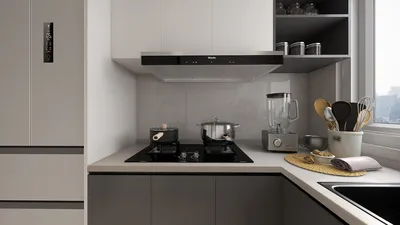


Safety in the kitchen begins with rapid detection. In instances of residential fires involving gas, early warning systems and correct detector placement can significantly alter the outcome between a minor incident and a major disaster. In my recent initiatives, I prioritize detectors that comply with established performance criteria and are integrated into ventilation and shut-off systems for a comprehensive safety strategy. Research conducted by Gensler indicates that clear environmental feedback—offered through audible or visual signals—enhances user confidence and expedites response times; their findings emphasize the critical role of effective communication in shaping behavior. Furthermore, the WELL v2 framework underscores the importance of robust emergency systems and alarm functionality as vital components of occupant safety; refer to the WELL v2 guidelines for performance-driven recommendations.
Human reaction times are limited. According to research from Steelcase, minimizing cognitive load during stressful situations leads to improved decision-making. Therefore, I opt for detectors equipped with simple status indicators, clear audio signals, and straightforward alerts; their investigations into behavior and cognition consistently highlight how intuitive feedback influences user reactions. From an ergonomic perspective, streamlined interfaces help reduce errors, aligning with Interaction Design Foundation principles concerning system status visibility. For lighting, it's essential to ensure alarms are noticeable under standard kitchen illumination levels, by adhering to IES task lighting recommendations for indicator brightness and glare management.
Understanding What a Gas Leak Detector Actually Detects
Most gas leak detectors designed for kitchens primarily identify combustible gases such as methane (natural gas) and propane (LPG). Some models can also detect carbon monoxide (CO) arising from incomplete combustion, which necessitates a separate CO detector in many areas. The sensor types suited for fuel gas—such as semiconductor (MOS), catalytic bead, or infrared—affect sensitivity, lifespan, and the likelihood of false alarms. I favor MOS or infrared detectors for residential kitchens due to their reliability, cost-efficiency, and minimal drift over time. If your household utilizes propane (heavier than air), focus on units with adjustable placement suggestions and clear mounting instructions; for natural gas (lighter than air), select detectors rated for ceiling or high-wall mounting.
Optimizing Detector Placement for Effective Alerts
The positioning of detectors is crucial for their effectiveness. For natural gas (methane), I install detectors 6–12 inches beneath the ceiling or high on a wall within 1–3 meters of the main appliance, ensuring they are not placed in areas with stagnant air or direct drafts from vents or range hoods. For propane (LPG), they should be mounted 6–12 inches above the ground. It's advisable to keep them at least 3 feet from cooking surfaces to minimize nuisance alarms triggered by steam or cooking oils. In kitchens that open into utility areas with gas appliances, I recommend adding a secondary detector in that space and a third in the adjacent walking area for added safety without excessive alerts. During remodeling, using a layout tool like Homestyler can help visualize the detector's proximity to appliances, air supply sources, and door movements.
Reliable Power, Interconnectivity, and Smart Features
I advocate for hardwired detectors with battery backup whenever feasible; these eliminate the risk of accidental disconnection and ensure continuous protection, even if outlets are repurposed. For apartments or renovations, plug-in units with battery backup can work, but it’s crucial to secure the cable routes and make sure they are not plugged into switched outlets. Interconnected alarms—whether wireless mesh or wired—are essential for alerting sleeping occupants and extending notice to areas beyond the kitchen, which is particularly vital in larger homes. Smart functionalities that activate HVAC shutdown or open make-up air dampers are invaluable; pairing gas solenoid shut-off valves with the detector drastically reduces risk. I activate mobile alerts only when the app can support high/low alarm thresholds and maintain clear event logs to prevent notification fatigue.
Controlling Alarm Thresholds, Sensitivity, and False Alarms
High-quality detectors should activate at gas concentrations significantly below the lower explosive limit (LEL) thresholds, which are generally around 5–10% LEL, prompting ventilation and evacuation without inciting panic. False alarms often arise from aerosol cleaners, bursts of humidity, or being positioned too close to frying areas. To mitigate this, I ensure to: 1) maintain adequate distance from cooktops, 2) position detectors away from air supply diffusers, 3) select models that offer temperature and humidity compensation, and 4) confirm that testing modes do not incorrectly recalibrate the sensors. For households that frequently engage in high-heat cooking, I recommend units with multi-criteria filtering and event logging capabilities, allowing us to adjust placement after a two-week observation period.
Lighting, Color Psychology, and Human Factors for Fast Reactions
In real kitchen environments, the visibility of alarm indicators must be ensured without causing glare. I coordinate indicator brightness to be discernible among typical task lighting levels while specifying neutral, matte backgrounds behind the device to prevent color distortion. Color psychology suggests employing red to signify immediate danger and amber for caution; refer to overviews on color psychology to understand user interpretations of color urgency. Coupling this with a unique, escalating audible pattern helps pierce through typical kitchen sounds (dishwashers around 50 dBA, range hoods 55–70 dBA). I avoid constant tones in open-plan settings, opting instead for pulsating signals that can be heard but are less likely to induce panic or obscure verbal instructions.
Integrating Ventilation Strategies and Shut-Off Mechanisms
The presence of a detector alone is not sufficient. I ensure it is complemented by a responsive ventilation strategy: operable windows within reach, a dedicated makeup air pathway, and a range hood that effectively vents outdoors. For scenarios deemed high-risk or in rental properties with outdated appliances, I recommend a normally-closed gas solenoid valve linked to the alarm output. When an alarm is triggered, this valve automatically shuts off the gas, and the hood activates to clear the area. This multi-faceted approach reflects larger building wellness concepts detailed in the WELL v2 framework, where environmental controls and quality work in harmony.
Scheduled Maintenance for Optimal Function
The sensors have a limited lifespan. I label each detector with the installation date and the manufacturer’s specified end-of-life date (typically 5–7 years for MOS sensors; IR models may last longer). Monthly, I test alarms using the built-in function and conduct controlled checks every six months with a certified test gas kit, never utilizing an open flame. It's essential to keep vents and filters clear of dust as accumulation can affect sensor performance. In instances of frequent alerts during unusual hours, I check for changes in airflow, cleaning agents used, and nearby outlets that may be switched.
Materials, Durability, and Kitchen Realities
Detectors are exposed to heat, grease, and humidity. I seek out options with matte, cleanable surfaces, adequate IP ratings for occasional splashes (while avoiding direct steam exposure), and fire-resistant materials. Proper cable management is vital: construct low-profile cord channels on backsplashes and ensure that under-cabinet lighting does not shine into the detector lens or LEDs. Where children are a consideration, tamper-resistant mounting and cable clips keep installations secure.
Focusing on Ergonomics and Behavioral Signals
The user experience during an alarm event should be clear: hear or see the alert, switch off burners, ventilate the area, evacuate, and call for help. I attach printed emergency steps on the inside of a pantry door or near the main exit. Consistency in the positioning of devices across different floors (keeping the same height and wall side near appliances) aids in developing muscle memory. Research from Steelcase and IXDF supports the notion that predictable interfaces and signage help reduce hesitation in emergencies.
When to Incorporate CO Detectors and Multi-Sensor Units
Gas leak detectors are not replacements for CO detectors. If your residence contains any combustion appliances (e.g., furnace, water heater, oven), ensure that dedicated CO detectors are installed according to local regulations, typically outside of sleeping quarters and close to the source. In smaller apartments, I often recommend a multi-sensor detector that encompasses both combustible gas and CO, provided that placement meets both height specifications; otherwise, opting for two separate devices may be the best practice.
My Commissioning Checklist for Every Project
Open-concept living-kitchen designs pose challenges regarding airflow and noise levels. I typically suggest installing at least two detectors: one near the cooking area and another in the adjoining living space, ensuring alerts can be heard during media use. Since lighting contrasts are often lower in open designs, I prefer detectors with high-contrast indicators and a secondary remote alert, such as a linked sounder in bedrooms. Utilizing an interior layout planner, such as Homestyler, effectively simulates distances, sightlines, and placements near return air vents.
Frequently Asked Questions
Yes, a combustible gas detector detects methane and propane leaks, while a CO detector addresses issues arising from incomplete combustion. Both are essential and often need distinct placement heights.
Detectors should be positioned high on a wall or 6–12 inches below the ceiling, within 1–3 meters of the cooking appliance, while avoiding direct drafts and dead-air corners.
For propane, mount detectors 6–12 inches above the ground since it is heavier than air. Maintain a distance from floor-level vents and avoid enclosed areas beneath cabinetry.
The typical lifespan for MOS sensors ranges from every 5–7 years; infrared models often last longer. Always check the manufacturer's specified end-of-life date on the detector unit.
Yes, to prevent false alarms, ensure the devices are distanced from steam, aerosol cleansers, and direct cooking zones, and select models that include humidity and temperature compensation features.
Ideally, I recommend hardwired installations with battery backup for enhanced reliability. Plug-in units with backup may suffice, given that outlets are unswitched and cables properly secured.
Absolutely, interconnected systems, mobile alerts with proper thresholds, and connections to shut-off valves and ventilation systems significantly enhance safety measures.
Aim for distinctive alarm patterns that remain audible amidst normal kitchen noise (ideal range of 55–70 dBA for kitchen sounds). Multi-tone or escalating auditory signals improve clarity without causing alarm-induced panic.
In some cases, a second unit may be warranted; however, considering acoustics and airflow might justify adding another device. Ensure you test audibility from common seating areas and bedrooms and consider using an interconnected remote siren.
There is no universal guideline, but coordinate with IES standards to guarantee indicator visibility without glare, and implement color coding (red, amber, green) for swift comprehension.
For monthly checks, utilize the built-in test function and biannually test using a certified gas kit. Never resort to open flames or uncontrolled gas leakage tests.
If frequent alerts occur at unpredictable times, analyze changes in airflow (consider HVAC schedules), nearby cleaning products, or outlet configurations. Depending on findings, repositioning or selecting a more effective model with better filtering and logging may be necessary.
Yes, numerous detectors and associated relays can activate a range hood and initiate a gas shut-off valve, enabling a quicker, automated response to leaks.
Always install at least one in the kitchen area; consider adding another close to any other gas appliances (e.g., furnace, water heater) and think about interconnecting them for increased coverage.
Author’s Note
My methodology weaves together code-compliant placement, attention to human factors, and practical maintenance strategies. In uncertain situations, I prototype different placements, observe their effectiveness over two weeks, and make necessary adjustments. The right detector, installed accurately, combined with a well-structured emergency plan—this is the formula for ensuring kitchens remain safe without sacrificing comfort.
Looking to transform your home? Homestyler is your go-to online design platform! With its user-friendly design tool, stunning 3D renderings, a plethora of creative design projects, and informative video tutorials, you'll easily turn your design dreams into reality. Start your journey today!
Concevez maintenant gratuitement
































