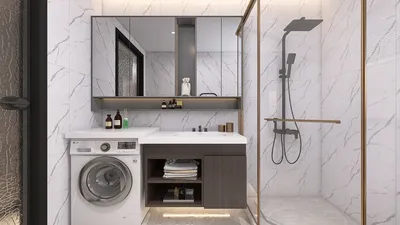


I once had a client who was adamant about installing a marble soap dish with a lip due to their belief that little black ants were drawn to soap. Initially, this seemed absurd, but I soon discovered an ant trail leading to a neglected sticky spot beneath the sink. This unsettling experience taught me two essential lessons: compact kitchens can uncover significant issues, and minor modifications often resolve them. In this article, I will share five kitchen design-inspired solutions I have successfully employed to eliminate ants without resorting to harsh chemicals, incorporating Homestyler for planning adjustments.
1. Seal the Entry Points with Smart Trim
Ants are attracted to gaps in baseboards and around plumbing. I typically suggest applying thin silicone seals or door sweeps where cabinets meet the flooring—these are inexpensive and effective at preventing drafts. The downside is you may need to do some touch-up painting to disguise the seals, but once applied, you'll notice a dramatic decrease in ant activity.
2. Create a Dry Zone Under the Sink
I once completely revamped an under-sink space for a tenant who was frustrated by the constant dampness. I installed a shallow spill tray and placed a small moisture-absorbing pack, which significantly reduced ant activity. This solution is cost-effective and discreet, although it requires checking the moisture pack every few months to ensure it doesn’t become ineffective due to excess moisture.
3. Use Enclosed Storage for Food and Pet Bowls
In small kitchens, clear containers and lidded bins become incredibly useful. I often encourage clients to switch to airtight canisters for their dry goods and to place pet bowls on a tray, which should be wiped down after every meal. While this process may not be glamorous, it effectively eliminates crumbs and scent trails, which are attractive to ants. If you're looking to strategize storage adjustments via digital planning, consider using Homestyler's room planner to visualize optimized cabinet layouts.
4. Choose Materials That Resist Ant Trails
Utilizing glossy tiles or sealed quartz countertops makes it much easier to clean surfaces and remove the pheromone trails that ants follow. I often advise clients to avoid textured stone material in pantries for this very reason. The only drawback is that these ultra-smooth surfaces might show smudges more clearly, so keeping a microfiber cloth on hand is a good idea.
5. Position a Tiny “Ant Barrier” Station
Rather than scattering bait throughout your kitchen, consider placing a discreet bait station behind cabinets or next to drains. This method is effective and keeps both pets and children out of harm’s way. I have successfully utilized this tactic during rental turnovers—just make sure to comply with local regulations and choose non-toxic options when safety is a priority.
Tips:
Good habits are just as crucial as design in keeping ants at bay. Regularly wipe down counters, seal leftover food, and take out the trash consistently. When these habits are combined with the design strategies discussed above, ants will find your kitchen an uninviting environment. For drafting a more effective storage plan before making purchases, consider utilizing the Homestyler free floor plan creator for quick visual changes.
FAQ
Q1: What attracts tiny black ants to kitchens?
A1: Tiny black ants are typically attracted to food residues, grease, and moisture leaks. Removing crumbs and excess moisture dramatically reduces their interest in your kitchen.
Q2: Can ants enter from outside through wall cracks?
A2: Absolutely—ants often find their way inside through gaps around windows, doors, and plumbing. Sealing these cracks can significantly mitigate this issue.
Q3: Are store-bought ant baits safe for pets?
A3: Some bait options are designed to be pet-safe, but many are not. Always read labels carefully and consider using enclosed bait stations to minimize exposure risk.
Q4: Do essential oils repel ants effectively?
A4: Oils such as peppermint or tea tree may deter ants temporarily, but they are generally not a long-term remedy. They should be used in conjunction with cleaning and sealing efforts.
Q5: How quickly will sealing gaps help reduce ant populations?
A5: Many people notice a decrease in ant activity within a few days, but full eradication may take several weeks as existing colonies finish their foraging.
Q6: Should I call pest control for tiny black ants?
A6: If infestations persist despite cleaning and sealing efforts, it’s advisable to seek professional pest control—especially for large or difficult-to-reach ant colonies.
Q7: Where can I plan a kitchen layout that minimizes pest hiding spots?
A7: A kitchen layout planner can help you rethink cabinet arrangement and airflow to reduce dampness and clutter, making it less appealing to pests.
Q8: Are there credible sources on ant behavior?
A8: Yes—resources from entomology departments, such as the University of California's Integrated Pest Management program, provide reliable information (UC IPM: https://ipm.ucanr.edu/). They offer detailed insights into ant biology and effective non-chemical control methods.
Discover the ease of home design with Homestyler! This user-friendly platform features an intuitive online design tool, stunning 3D renderings, and a wealth of inspiring design projects and DIY video tutorials. Transform your space effortlessly and unleash your creativity today!
立即免费设计
































