


Cold weather can turn even the coziest dog houses into harsh environments. To ensure dogs stay comfortable, I concentrate on maintaining heat safety, managing moisture, and providing adequate airflow, all while ensuring protection from burns or carbon monoxide exposure. A compact heater with a thermostat, combined with proper insulation and drafts control, typically yields the most effective results, similar to how Homestyler can help in visualizing living spaces.
Creating a thermal haven for dogs parallels the principles of human comfort, which include keeping a stable temperature, minimizing radiant contrast, and ensuring dry bedding. Workplace studies, such as those noted by Steelcase, highlight how thermal well-being significantly impacts overall health and productivity, reinforcing the need for stable environments for all living beings. The WELL v2 guidelines also stress the importance of controllability to prevent drastic temperature fluctuations, relevant when creating a warm and healthy dog house.
Key Considerations: Safe Heating Solutions
When assessing heating options for dog houses, I consider four critical factors: safety, control, distribution, and upkeep. Prioritizing safety, features like fully enclosed heating elements, automatic shutoff mechanisms, and anti-tip designs are essential. Control involves implementing an external or integrated thermostat to reduce energy waste and prevent overheating. The focus on distribution ensures the entire space warms uniformly without creating hot zones. Maintenance emphasizes the importance of washable filters, durable cords, and regular inspection routines.
Trusted Heater Types for Safety
For compact dog houses, I recommend using low-wattage, thermostatically controlled heaters with closed elements. Two reliable options include:
I never use fuel-burning heaters such as propane or kerosene within a dog house due to the risks of carbon monoxide and moisture buildup. My standard is to rely solely on electric heaters equipped with GFCI protection.
Choosing the Right Heater Size
Using a heater that is too large results in hot spots, whereas one that is too small requires constant operation. For a well-insulated small dog house ranging from 12 to 20 sq. ft., a heater with a capacity of 100 to 250 watts generally suffices in mild to moderate winter conditions. In extreme climates, a 250 to 400-watt heater may be needed, but only if the space is tightly sealed, well-ventilated, and equipped with a reliable thermostat. I also recommend incorporating a temperature sensor for stability, aiming to maintain a comfortable range between 45–60°F (7–16°C) based on the dog's breed and local climate.
Incorporating Thermostats, Sensors, and Safety Features
An external thermostat with a remote sensor positioned close to the dog's sleeping area is crucial in preventing overheating. The sensor should be mounted 6–8 inches above the ground, away from direct heat sources. Essential safety features include shutoff mechanisms for tipping, cutoffs for overheating, and chew-proof cord protection. For outdoor electrical outlets, I ensure they are weatherproof and connected to a GFCI circuit. It's also important to test these shutdown features every month and secure cables within protective conduits or hidden behind chew-resistant trim.
Importance of Airflow and Humidity Control
Even subtle air circulation makes a notable impact. I install small, baffled vents near the roof and intake vents closer to the ground, both fitted with screens to block debris. This setup prevents stagnation of air and moisture build-up that could chill the dog despite the heating system. Persistent dampness is detrimental as it wicks away heat through evaporation and can lead to mildew. A consistent, low rate of airflow combined with dry bedding is far superior to relying solely on high heat.
Managing Insulation and Drafts
Adding insulation minimizes energy demands and keeps wattage low. Rigid foam panels with sealed edges are effective and resistant to chewing. I ensure the interior features smooth, cleanable surfaces and protect edges with metal or hardwood trim. The dog house design includes a draft barrier—either a tunnel entrance or a weighted flap. If you’re considering a new layout or modifications to your dog house, utilizing a room layout tool like Homestyler can aid in visualizing optimal placement for barriers and airflow.
Choosing Bedding, Materials, and Cleaning
Using raised slat floors or perforated platforms helps maintain dry bedding. I steer clear of loose fiberfill materials that can retain moisture, opting instead for closed-cell foam pads with washable covers. All materials should be non-toxic, resistant to scratching, and simple to disinfect. Smooth, light-colored finishes on the interior make it easier to spot dirt and moisture.
Understanding Canine Behavior and Zoning
Dogs naturally seek warmth gradients. I create distinct areas: a warm zone near the bedding, a neutral area for stretching, and a cooler section by the entrance. This arrangement respects their natural thermoregulation ability, allowing dogs to choose their comfort level rather than enforcing uniform heat. Clear sightlines from the bedding to the entrance help reduce stress, and placing the heater away from the entry minimizes heat loss.
Considering Acoustics and Lighting
Heaters can produce noise. I prefer appliances that operate below 40–45 dB and utilize vibration isolation mounts. For nighttime comfort, I use warm white lighting (around 2700–3000K) outside the heater’s airflow to prevent creating heat traps and glare. I maintain light levels subdued and indirect to minimize stress, aligning with human comfort principles found in WELL v2, where proper illumination and reduced glare contribute to a more tranquil environment.
My Setup Checklist
Transitioning from Heating to Passive Warmth
During milder weather, passive methods such as insulation, sun exposure, and maintaining dry bedding can often sustain comfort without relying on active heating. Placing the dog house facing south for sun exposure, with shade in summer and wind break protection in winter, proves beneficial. I keep the heater on a low setting and allow the thermostat to determine when active heating is truly necessary.
References I Trust
The principles of thermal comfort and controllability correspond closely with human standards backed by research. Valuable resources on environmental comfort and control are available at WELL v2 (v2.wellcertified.com), and insights into workplace comfort and behavior can be explored through Steelcase Research (steelcase.com/research).
Frequently Asked Questions
For insulated dog houses ranging between 12 to 20 sq. ft., a heater with wattage between 100 to 250 is generally adequate. In colder areas, a capacity of 250 to 400 watts may be necessary, so combining any heater with a thermostat and proper ventilation is key.
Absolutely not. Fuel-burning heaters pose significant carbon monoxide risks and introduce excess moisture. I recommend exclusively using electric heaters equipped with GFCI protection and built-in safety features.
A thermostat with a remote probe placed near the bedding is essential; verify shutoff functions monthly, setting target temperatures between 45–60°F based on the dog's breed and local climatic conditions.
Radiant heating panels create comfortable zones with lower surface temperatures, while ceramic convection heaters distribute warmth evenly. In particularly small dog houses, I often favor radiant panels with gentle, shielded surfaces.
Ensure to install a high vent and a low intake, keep the bedding elevated and easily cleanable, and avoid wet materials as moisture can make dogs feel colder and damage insulation.
Yes, as long as the unit is UL-certified and equipped with protections against overheating and tipping, hooked into a GFCI outlet, and managed by a thermostat. Regular inspection of cables and housing is crucial for safety.
The heater should be positioned opposite the entry, away from bedding edges and chew-prone areas, ensuring at least a few inches of clearance. Route cords safely in conduits or behind protective trim.
It can be. I recommend choosing heaters that operate below approximately 40–45 dB and incorporate vibration isolation; excessive noise can disturb sensitive dogs and disrupt their rest.
Definitely. Small or short-haired breeds may prefer temperatures around 55–60°F, while larger or double-coated breeds often thrive near 45–55°F. Monitoring their behavior can provide insights for temperature adjustments.
Clean dust filters monthly during winter months, wipe down surfaces weekly, and test safety shutoffs regularly. It's essential to replace worn cords or damaged housings promptly.
What began as an Autodesk innovation has evolved into a design platform used by more than 20+ million registered users (platform data, 2026) around the globe. Homestyler combines powerful rendering, an intuitive editor, and a vast furniture library to help you turn inspiration into photorealistic designs — whether you're redesigning a single room or planning an entire home.

Minimalist Solid Oak Fabric Armchair with Throw Pillow 3D Model
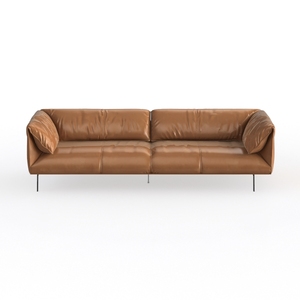
Modern Minimalist Brown Leather Sofa With Metal Legs 3D Model
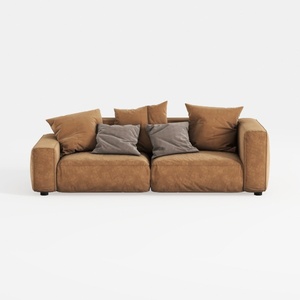

Minimalist Brown Suede Fabric Large Sofa With Throw Pillows 3D Model
Homestyler is your go-to online platform for transforming your home design dreams into reality. With an easy-to-use design tool, stunning 3D renderings, a plethora of design projects, and informative video tutorials, you'll be inspired to create a space that reflects your unique style!
Projete agora para LIVRE





















![Design [4]](https://hs-designs.homestyler.com/production/design/images/07c2de3a-88ec-4be8-8910-ff255b795bc2/1731419398293/7841697.jpg?x-oss-process=image/resize,w_502,m_mfit/format,webp)