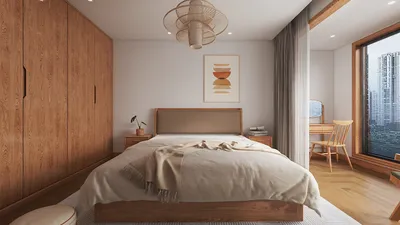


Effective lighting in hallways serves more than just illumination; it plays a crucial role in establishing the overall ambiance of a home. I focus on lighting combinations that enhance materials, direct movement, and create a visual flow from the entryway to living areas. The Illuminating Engineering Society (IES) suggests that for optimal performance, residential circulation zones should maintain a light level between 100–300 lux, emphasizing the importance of glare reduction and uniformity for safe navigation. Furthermore, WELL v2 proposes the use of layered lighting and supports circadian rhythms, thereby improving color quality thresholds to ensure sufficient melanopic stimulation during the day and visual comfort at night to alleviate strain and enhance wellbeing. With tools like Homestyler, I can visualize these elements effectively.
Both color temperature and color rendering are vital alongside the style of fixtures selected. A Color Rendering Index (CRI) of over 90 is essential to accurately showcase the beauty of wood grains, textiles, and artwork, especially in transitional hallways. Research from Gensler indicates that 44% of employees consider lighting quality a key factor for workplace productivity, which easily applies to residential hallways, where comfort and visibility greatly affect our overall experience of a space. For the majority of homes, I select light temperatures between 2700–3500K, shifting towards warmer tones in evening zones to foster relaxation, in line with WELL strategies.
Creating a Layered Lighting Plan for Hallways: The Essentials
A successful hallway design requires a layered lighting approach, which includes ambient (ceiling or cove), task (lighting for art pieces or console surfaces), and focal (pendants or sconces). Maintaining balanced ratios results in soft shadows and flattering illuminations on faces. I generally aim for a 2:1 to 3:1 accent-to-ambient contrast for highlighting art and architectural features, avoiding harsh light spots. If testing placements or spatial configurations, utilizing a room layout tool like Homestyler can help simulate light spreads and sconce heights effectively.
Creating a Warm Atmosphere: 2700K + Textured Whites
Combining 2700K warm LEDs with slightly warm off-white walls helps create a gentle transition from daylight to evening light. The use of brass or aged bronze sconces with linen shades reduces glare and enhances the appearance of wooden floors. I prefer a dimmable flush mount light at 2700K for ambient light, complemented by picture lights around 3000K that retain the color integrity of artwork without altering reds or blues. Opting for matte or eggshell paint finishes decreases veiling reflections and improves perceived light uniformity.
Contemporary Tranquility: 3000K + Cool Grays
In modern apartments, using 3000K LEDs against cool gray walls paired with satin black hardware provides a clean aesthetic. Linear LED cove lights set at 3000K deliver consistent ambient lighting; slender spots (with 10–15° beams) highlight sculptures or door reveals to add dimension. To maintain low Unified Glare Ratings (UGR), employ baffled trims and ensure adequate vertical light on doors to assist navigation—an ergonomics-driven adjustment that minimizes stumbling in narrow corridors.
Transitional Aesthetic: 3000–3500K with Mixed Metals
In homes where classic and modern styles meet, I merge 3000–3500K lighting sources. Utilizing warm-dim downlights that transition from 3500K in the daytime to 2700K in the evening keeps circadian cues intact. By choosing brushed nickel for ceiling fixtures and warmer brass at eye level, I achieve a subtle contrast that adds visual interest without creating clutter. Keeping the CRI at 90+ is crucial to preserve the richness of walnut, oak, or vibrant runners.
Nordic Elegance: 3500K + Light Woods
Halls inspired by Scandinavian design thrive on the use of 3500K lighting for a fresh, airy vibe that complements birch and ash flooring beautifully. Pairing this with opal glass globes and whitewashed walls maximizes reflectance, aiding in the perception of wider spaces. Adding runners in low-saturation blues or greens offers subtle contrast; 3500K maintains the accuracy of these hues while preventing any yellow undertones.
Creating Dramatic Effects: Warm Ambient with Cool Accents
For those seeking dramatic effects, maintain ambient light at 2700K while utilizing cooler 3500K track lighting accents to enhance the clarity of art or stone textures. This subtle contrast in temperature adds depth to the design. Ensure that facial rendering is optimized by not directing directly overhead beams at eye level, and instead, offset tracks to provide vertical washes of light. Dim settings should smoothly transition to 1% to sustain the ambiance without harsh interruptions.
Classic Heritage: 2400–2700K with Rich Neutrals
Historical homes benefit from the soft glow of candle-warm LEDs (2400–2700K) that evoke the charm of gaslight. Using silk or pleated shades with diffusers can conceal light sources and control glare on polished banisters. Wall shades in mushroom, taupe, or warm gray enhance the warm atmosphere. Consider a central pendant light that emits low brightness combined with secondary picture lights to create a rhythmic corridor experience.
Monochrome Design: Gentle Edges
Black-and-white color schemes can appear harsh without skilled attention to color rendering. Implementing 3000K lighting with a CRI above 95 ensures whites remain true and blacks possess depth. Incorporating a gentle cove light to elevate the ceiling and placing diffused sconces at a height of 150–160 cm enhances facial features. A single colored element—like a terracotta pot or olive runner—adds warmth to the overall composition without clashing with the palette.
Maximizing Small Hallways: Brightness Strategy
In narrow corridors, it's more effective to increase vertical illumination rather than focusing light solely on the floors. Lighter walls create the illusion of increased space. Using satin paint, 3000–3500K lights, and uplighting with small wall washers directs light towards the ceiling, making heights appear greater. Keep fixtures compact to maintain sufficient clearance; typically, I recommend a headroom of 80–90 inches under pendants in hall spaces.
Exploring Color Psychology
Hallways are transitional spaces, and thus, the colors chosen should evoke calmness and direction. Shades of blue and blue-green lower heart rates and enhance stability, while muted warm tones promote a welcoming environment. As stated in a color psychology overview by Verywell Mind, blue tones are synonymous with tranquility and trust. Conversely, warm colors generate energy; combining warm lighting (2700–3000K) with cooler pigments yields a balanced mood. Minimizing saturation is crucial to avoid color shifts under LED lighting.
Managing Glare, Shadows, and Human Comfort
Well-designed hallways prioritize eye comfort by mitigating discomfort from harsh brightness. Select fixtures with shielding angles greater than 30°, or opt for frosted diffusers and microprismatic lenses. Distributing sconces strategically avoids hotspot creation in mirrors and glass frames. Implementing continuous low-intensity lighting along baseboards during the night (1–5 lux) ensures safe navigation without disturbing other residents.
Acoustics and Material Choices
Lighting emphasizes surfaces, and these surfaces significantly influence sound. Hard hallway surfaces can amplify noise, so it's beneficial to integrate soft runners, upholstered benches, or acoustic paneling that masquerades as art. Using matte lacquers and limewash finishes reduces specular glare. Sustainable options—such as FSC-certified woods, low-VOC paints, and high-CRI, replaceable LED fixtures—improve indoor air quality while extending the lifespan of materials.
Controls: Dimming, Scenes, and Daylight Balance
Creating distinct scenes for entry, movement, and nighttime settings is key. Implement warm-dim or tunable-white options in important fixtures, transitioning from 3500K during the day to 2700K at night. Incorporating occupancy sensors with gradual dimming helps maintain tranquility, and discreet night lights guide children and guests effortlessly. Keeping drivers and transformers convenient promotes easy maintenance.
Style-Specific Quick Pairings
- Farmhouse: Pair 2700K linen-shade sconces with a seeded glass flush mount alongside creamy whites and oak accents.
- Minimalist: Utilize 3000–3500K linear cove lighting with trimless downlights; focus on cool gray tones and black hardware.
- Art-Centric: Combine 3000K ambient light with 3500K picture lights for artwork; deep wall shades create contrast.
- Coastal: Incorporate 3000K woven pendants with white walls accented by pale blue tones; use brushed nickel finishes for hardware.
- Industrial: Select 3000K caged sconces with a concrete-gray approach; soften the look with warm wood seating options.
Hallway Planning and Visualization
Before purchasing fixtures, outline switch zones, mounting heights, and overlapping beams. Use a room design visualization tool like Homestyler to simulate throw distances and beam spreads to avoid light scalloping or unlit areas. Testing color swatches under actual bulbs during evening hours is advisable—one might be surprised by how color shifts occur between 2700K and 3000K, particularly on beiges and soft pinks.
Frequently Asked Questions
Q1. What color temperature works best for most hallways?
A1. Generally, 2700–3000K is ideal for most homes, providing warmth without turning whites excessively yellow. In contemporary designs, 3000–3500K appears sharp yet comfortable.
Q2. What is the preferred brightness level for a hallway?
A2. Target an ambient brightness of 100–300 lux. Incorporate a 2:1 to 3:1 accent-to-ambient contrast to highlight artwork or architectural features while controlling glare.
Q3. Is a high CRI necessary in a hallway?
A3. Absolutely—a CRI of 90+ ensures that wood tones, fabrics, and skin colors remain true to life, especially when art, mirrors, or vibrant runners are present.
Q4. Is it acceptable to mix warm and cool lighting?
A4. Yes, definitely! Maintain a warmer ambient light (2700–3000K) while using slightly cooler accent lighting (3200–3500K) for definition. Consistency in CRI is essential.
Q5. What is the ideal height for sconces?
A5. A common guideline is to position sconces at 150–160 cm (59–63 inches) from the floor, taking into account the ceiling height and style of the fixture. Ensure the light source is not directly in line of sight.
Q6. How can glare be minimized in narrow hallways?
A6. Opt for shielded fixtures, frosted diffusers, and lower brightness ratios. Avoid positioning downlights directly over mirrors or glossy surfaces to limit glare effects.
Q7. Are tunable-white fixtures beneficial?
A7. In busy homes, tunable or warm-dim fixtures enhance comfort from day to night. Utilize these fixtures in key areas and program them into your lighting scenes for ease of use.
Q8. Which wall colors effectively complement 3000K lighting?
A8. Soft whites with warm undertones, gentle grays, and muted blues/greens all retain their character effectively under 3000K lighting without appearing dull.
Q9. How can lighting help maximize the feel of a small hall?
A9. Increasing vertical illumination, washing the ceiling with light, and ensuring light-colored walls with high light reflectance can help create the impression of space; continuous base lighting also elongates sightlines.
Q10. Should dimmers be utilized in hallways?
A10. Yes, employing dimmers prolongs the life of fixtures, conserves energy, and ensures pathways are safe during nighttime. Choosing dim-to-warm options where available is advisable for evening comfort.
Q11. How do acoustics influence lighting choices?
A11. Indirect lighting works well with softer finishes such as runners or acoustic panels, helping to minimize glare from hard surfaces and enhancing overall comfort.
Q12. What should I consider regarding maintenance planning?
A12. Select fixtures with easily accessible drivers and standard bases where feasible, and keep spare bulbs that match the same CCT/CRI for visual consistency.

Homestyler is the ultimate online platform for home design enthusiasts! With its user-friendly design tool and stunning 3D renderings, you can create your dream space effortlessly. Explore a wealth of inspiring design projects and follow DIY video tutorials to elevate your decorating skills. Start crafting your perfect home today!
Desain sekarang Gratis
































