

Effective firearm storage should strike a balance between accessibility, security, and neatness. I advocate for wall-mounted racks in environments where quick identification, regular maintenance, and a stable climate are priorities—while still adhering to lock and separation regulations. Thoughtfully designed storage solutions not only mitigate risks but also enhance functional everyday use. Research from Steelcase highlights that organized spaces and clear visuals can reduce cognitive load, boosting efficiency by up to 23%, an advantage that applies to how we manage and access our gear. WELL v2 further emphasizes how controllable lighting and clear directional signs contribute to safer environments, offering noticeable health and safety gains.
In my designs, the importance of lighting and ergonomics cannot be overstated. The Illuminating Engineering Society (IES) typically suggests task lighting that ranges from 300 to 500 lux for detailed inspection work; my goal is to maintain between 350 to 400 lux at the rack, ensuring that serial numbers and fasteners are easy to read without causing eye strain. From an ergonomic perspective, research by Herman Miller supports positioning frequently used items within 900 to 1200 mm (36 to 48 inches) above the ground to minimize awkward reaches and keep shoulder elevation comfortable. This height range also ensures essential controls and locks are easily reachable while keeping them safely away from children.
Before starting any construction, consider two critical planning points: first, confirm adherence to local laws regarding locks, ammunition separation, and transport/storage specifics; second, check the wall structure. Ensure the studs, blocking, or masonry anchors can support the static load and handle moment forces. A fully loaded rack with wooden stock rifles can weigh between 20 to 45 lbs; it is wise to include safety margins to account for redundancy and dynamic movement.
Design Objectives and Layout Planning
I have three main objectives: secure retention, easy visual identification, and minimal wall impact. The rack should maintain a balanced appearance—standard spacing (typically 110 to 140 mm centers for long guns), consistent angles, and clear accessibility. If you're considering a gear wall or a mixed storage setup, using a room layout tool like Homestyler can help visualize spatial arrangements and workflow before any drilling occurs.
Think about future needs: include two extra slots beyond your current collection, utilize modular hooks for setups with many optics, and incorporate an accessory rail for slings, cases, and cleaning supplies. It's crucial to store ammunition and magazines in a separate locked unit according to best safety practices; I typically categorize them by function and keep them at least 1 to 2 meters away, often secured inside a lockable cabinet.
Material and Hardware Choices
Selecting the right materials impacts durability and safety. My preferred choices include:
The backboard should be finished with low-VOC polyurethane to withstand humidity changes. If you choose anodized aluminum rails, ensure you select corrosion-resistant fasteners and keep dissimilar metals isolated to prevent galvanic corrosion in humid areas such as basements.
Lighting, Color, and Acoustic Features
Ensuring good visibility minimizes handling errors. It's important to maintain lighting levels of 350 to 400 lux at the rack (per IES recommendations for task lighting), and use 3000 to 3500K warm-neutral LEDs to highlight wood tones without creating glare. A matte wall paint can help eliminate reflections on blued steel. According to color psychology, muted greens and gray-blues can foster a calm environment, facilitating careful handling. If the rack is near a workshop, consider adding soft acoustic panels or cork backing to absorb sound and reduce shock from placing rifles in cradles.
Prioritizing Safety: Separation, Locks, and Habits
Safe storage involves multiple layers: mechanical retention through cradles or pegs, locking mechanisms (like trigger or cable locks, plus a rack lock), and reinforced behavioral habits. My routine includes verifying the chamber is clear prior to placement, securing locks immediately after, and storing ammunition separately in a locked container. In settings with children or guests, place items higher (1200 to 1400 mm to the lowest edge) and install a full-length hasp cover. Keep a logged inventory of serial numbers in a discreet manner.
Step-by-Step Assembly Guide
Begin by arranging your firearms on a cushioned surface, taking note of barrel lengths, optics height, and sling attachments. Decide whether to present firearms vertically or at an angle. Standard spacing for long guns without large optics is 120 mm centers; increase this to 150 to 160 mm for scoped rifles to prevent interference. Use a laser to mark a horizontal line on the wall for accuracy.
Utilize a stud finder and confirm alignment with a pilot hole. For masonry walls, plan anchor placements to align with mortar joints and maintain at least 75 mm spacing from edges. If the studs do not align with your desired configuration, add a 19 mm backboard that spans at least two studs first; secure the backboard before attaching brackets to it.
Cut the plywood to the desired width (generally 250 to 300 mm for single-tier racks). Round off the edges by 3 mm to avoid splinters and protect sling wear. Sand to 180 to 220 grit and apply sealant. Allow it to cure fully before fixing any hardware.
Mark the measured centers onto the backboard. Pre-drill for U-brackets with the correct pilot drill size; for hardwood pegs, bore snug dowels and apply epoxy. Add protective sleeves or foam, and conduct a test fit with an unloaded firearm. Incorporate a continuous steel cable path to accommodate locks through trigger guards or receiver openings.
Position the backboard level along the datum line. Drive lag screws through countersunk holes into studs—typically two screws per stud with vertical spacing of 450 to 600 mm. Ensure that it is plumb and level. For masonry installations, drill with an SDS bit, clear out any dust, insert sleeve anchors, and tighten according to the manufacturer's specifications.
Install the hasp, padlock, or cable lock points. Subtle laser-etched or vinyl labels assist with inventory while maintaining a clean visual appearance. Include a small compartment for moisture control with desiccants.
Test each slot with unloaded firearms, checking for adequate clearance at optics, levers, and stocks. Modify spacing or angles as necessary to prevent contact. Document the final arrangement with photographs and update your inventory checklists.
Ergonomics and Reach Zones
To avoid strain, organize items by how frequently they are used. Keep frequently accessed firearms offered between 900 to 1200 mm height to align with neutral reach areas. Store less frequently used items higher (1400 to 1700 mm) or in storage boxes. Ensure lock points are manageable with minimal wrist movement. This method reflects user-centric design principles often endorsed in workplace ergonomics research, where optimal reach can diminish musculoskeletal concerns.
Moisture Control, Cleaning, and Finish Care
Maintain a relative humidity of 40 to 50% and avoid direct airflow from HVAC systems. Allow firearms to cool down post-use, wipe them with a silicone cloth, and only return them to the rack when completely dry. Quarterly, check pads for wear or dirt accumulation. Replace sleeves that show signs of damage and steer clear of materials like fleece or felt that may trap moisture. If you're placing the rack in a basement, it would be wise to invest in a low-noise dehumidifier and vibration isolation pads to minimize disturbance from washing machines.
Aesthetic Considerations and Visual Balance
Racks can appear as sophisticated furniture rather than just equipment holders. I align bracket heights for a cohesive visual rhythm, select finishes that match nearby cabinetry, and opt for a muted color palette so that the rack serves as a subtle element rather than a dominating feature. This nuanced approach fosters cognitive ease, consistent with Steelcase’s findings, creating a calming atmosphere that promotes careful interaction.
Legal and Ethical Guidelines
Regulatory requirements can differ significantly. At the minimum, firearms should be secured, ammunition must be stored separately, and access should be limited. Consult your local regulations, opt for training, and routinely review storage procedures. In cases where local laws require fully locking cabinets, the wall rack can function as a display when permitted, while maintaining the primary locked enclosure for everyday storage.
Sourcing and Alternatives
Investing in well-crafted commercial brackets can save you time while ensuring tested load ratings. If you prefer to construct your own system, verify material integrity and select finishes that will not react negatively with oils or solvents. A modular rail system provides the flexibility for future upgrades without the need for additional wall drilling.
Maintenance Schedule
Conduct monthly checks for fasteners and locks. Every quarter, clean and recondition sleeves as well as inspect anchors. Once a year, ensure everything is level, check humidity controls, and refresh finishes if necessary. Keep your documentation updated and regularly photograph any changes for records.
Frequently Asked Questions
To maintain an optimal ergonomic setup, position frequently used firearms between 900 to 1200 mm (36 to 48 inches) for neutral reach. If children are around, elevate the lower edge to 1200 to 1400 mm and implement additional security measures.
Aim for task lighting between 350 to 400 lux to comfortably read serial numbers and inspect firearm components, adhering to IES task guidelines for detailed work.
The best safety practice involves separate, locked storage for ammunition. Numerous jurisdictions favor physical separation to mitigate risks.
Reliable materials include closed-cell EVA foam, silicone sleeves, and powder-coated steel brackets. Steer clear of fleece and felt materials that can trap moisture and grit.
Do not rely solely on drywall for mounting. Fasten into studs with lag screws or employ a structural backboard that spans multiple studs for stability.
Increase spacing to 150 to 160 mm to prevent scoped optics from contacting adjacent firearms and facilitate comfortable handling.
Storage requirements vary based on local laws. Many necessitate locks on individual firearms and sometimes fully enclosed, lockable storage. Consider the rack as one component in a comprehensive safety strategy.
Maintain a relative humidity of 40 to 50%, place desiccants near the rack, and consider a dehumidifier if located in a basement. Always ensure firearms are completely dry before storage.
Using low-VOC polyurethane ensures durable protection without long-term emissions. Let the finish cure fully prior to attaching hardware.
While not obligatory, incorporating cork pads or small acoustic panels can dampen noise from clangs, making the handling experience quieter—particularly advantageous when situated near workshops.
Conduct monthly checks of fasteners, quarterly cleaning of sleeves, and annual assessments of alignment and humidity levels to maintain safety and stability.
Utilize silicone-coated cables and route them carefully through lock-compatible points such as trigger guards or receivers, avoiding abrasive contact with blued surfaces.
Originally incubated at Autodesk, Homestyler has grown into one of the most widely adopted home design platforms in the world, now trusted by over 18 million users. Whether you're a homeowner exploring ideas or a professional designer delivering client-ready renders, Homestyler brings industry-leading 3D technology to your fingertips — no experience required.
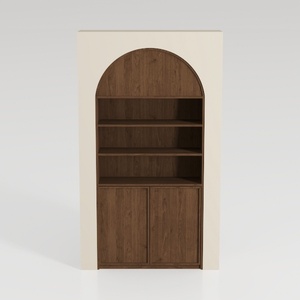
Minimalist Walnut Arched Open Shelf Cabinet 3D Model
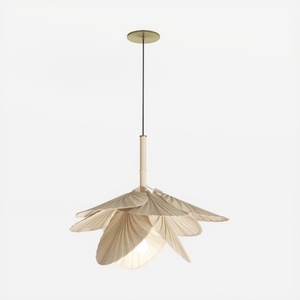
Minimalist Fabric Flower Shape Pendant Lamp 3D Model


Modern Gold Metal Celestial Starry Event Prop Decor 3D Model
Discover the joy of home design with Homestyler! This user-friendly platform offers a powerful online design tool, stunning 3D renderings, an array of inspiring design projects, and helpful DIY video tutorials, making it easy for anyone to create their dream space.
立即免费设计
































