


Joining a manufacturing initiative for the first time felt like navigating through a labyrinth, with machines erratically placed, storage areas congested, and workers often retracing their steps. This experience underscored the importance of thoughtful factory layout design. A strategic floor plan does more than enhance workflow; it also elevates productivity and minimizes wasted space.
Understanding Factory Layout Design
Fundamentally, factory layout design involves the organization of a facility's physical space, which includes machinery, workstations, storage areas, and utilities to facilitate the smooth movement of materials and personnel.
An effective layout prioritizes both the positioning of elements and the movement flow, ensuring that raw materials enter efficiently, work-in-progress transitions seamlessly, and finished products exit without encountering delays.
Different Types of Factory Layouts I've Experienced
This layout type clusters similar machines or processes, ideal for bespoke production and diverse product lines. It offers flexibility but might lead to longer travel distances between operations.
This design organizes equipment in a sequential manner for mass production, optimized to enhance speed and volume while minimizing handling time.
This layout suits large-scale or heavy projects, where the product remains stationary while tools and workers move around it.
This arrangement clusters machines into 'cells' dedicated to specific product families or task sets, effectively improving speed and quality while decreasing cycle times.
My Approach to Creating an Effective Factory Floor Plan
I begin by creating a workflow map that outlines the daily routes taken by materials, products, and workers. Following this, I identify bottlenecks, underutilized spaces, and areas that may pose safety risks.
Additionally, I consider future scalability by ensuring there is adequate space for incorporating new machinery or expanding production lines, allowing the design to evolve without causing disruptions.
How I Leverage Homestyler for Factory Layout Design
Homestyler has revolutionized my approach to visualizing layouts. What I appreciate most is being able to:
In addition to its powerful design tools, Homestyler’s community of designers provides an opportunity to share my ideas, receive valuable feedback, and learn from other experts in the realm of factory design.
Strategies for an Effective Factory Layout Design
Have you considered which type of layout would suit your factory the best—process, product, fixed-position, or cellular? Share your workflow details, and I can offer tailored advice.
Frequently Asked Questions – Factory Layout Design
Q: What key aspects should I consider when developing a factory layout?
A: It's essential to map your production flow, assess equipment requirements, prioritize safety, and ensure there’s space for future growth.
Q: How can Homestyler assist with factory floor planning?
A: Its 3D visualization capabilities, extensive model libraries, and community feedback facilitate the testing and refinement of layouts with ease.
Q: What advantages does a cellular layout provide?
A: This layout minimizes movement-related waste, accelerates cycle times, and enhances quality by grouping machines and tasks for related product lines effectively.

Minimalist Solid Oak Wood Side Table Unique Hourglass Shape 3D Model
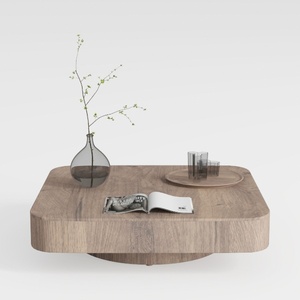
Minimalist Solid Oak Square Floating Coffee Table 3D Model
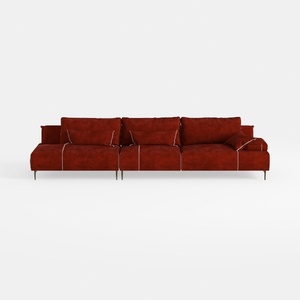

Modern Burgundy Velvet L Shaped Sectional Sofa 3D Model
Homestyler is your go-to online design platform for transforming your home. With an intuitive design tool, stunning 3D renderings, diverse design projects, and helpful video tutorials, it makes home makeover dreams a reality for everyone—whether you're a novice or an experienced designer!
Concevez maintenant gratuitement
































