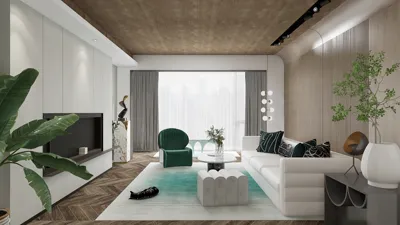


I have crafted drying rooms for various settings including alpine lodges, seaside residences, and industrial operation areas. The key to achieving optimal results lies in setting precise performance goals right from the start: swift moisture extraction, regulated airflow, safe heat sources, and durable finishes. Whether you’re transforming an unused corner or designing a specialized utility area, a thoughtfully conceived dry room safeguards materials, accelerates turnaround times, and prevents humidity from seeping into the rest of the structure. Using tools like Homestyler can greatly aid in layout visualization.
Managing moisture effectively is based on measurement rather than assumptions. Ideally, aim for an indoor relative humidity of 40% to 50% under normal usage, adjusting as necessary for the items you are drying. The WELL v2 framework suggests maintaining a comfortable temperature typically around 20–24°C, which harmonizes with temperature zones in a dry room when appropriately controlled. Research from Steelcase emphasizes that a comfortable environment significantly enhances productivity and well-being, reinforcing how a well-maintained drying area can diminish moisture and odor transfer into adjacent spaces. Furthermore, for optimal lighting, the IES suggests minimizing glare and ensuring adequate vertical illuminance to preserve visibility when handling wet items or packaging dried products.
Designing drying rooms with an awareness of color and behavior is also beneficial. Research by Verywell Mind reveals that cool neutrals can make spaces feel cooler, while warm whites can convey cleanliness and comfort without a sterile appearance. In small residential transformations, I often prefer matte, light-reflective finishes to ensure an even distribution of light and to reduce glare on wet surfaces. In high-traffic areas, the ease of movement is crucial—clear pathways, shoulder-width reach areas, and easily accessible storage near the entrance all contribute to a reduction in spills on the floor.
Core Principles: Humidity, Heat, and Airflow
The foundation of any drying room is centered around three main factors: humidity levels, thermal energy, and airflow dynamics. A functional target is maintaining 40%–50% relative humidity for regular gear drying, descending to 30%–40% for expedited drying if the materials can withstand lower humidity. It's important to use sealed, insulated structures to restrict outdoor moisture from penetrating. When it comes to heat, it’s best to depend on indirect, safe heating sources—radiant panels or finned convectors tend to create less turbulence than fan heaters and help minimize airborne dust. Airflow should be consistent and well-directed: intake positioned low, and exhaust placed higher, or a cross-flow system facilitates airflow from clean zones to exhaust points. The average air speed in functional areas should remain below 0.2–0.3 m/s to prevent drafts while still efficiently removing moisture.
Layout Strategy: Zones and Reach
An efficient workflow is essential to keep wet and dry items separate. Design the room into three distinct zones: Entry/Drop (for wet items), Active Dry (the heated and vented core), and Finish/Store (with a cooler, low-humidity holding area). Include drainage or drip trays in the Entry, implement a hanging grid and perforated shelves in the Active Dry area, and store desiccant packs in closed cabinets within the Finish/Store zone. Should you be considering a renovation, using a room layout tool like Homestyler can assist in simulating airflow routes, work triangles, and reach zones to avoid congestion.
room layout tool
Lighting That Helps Drying (and Safety)
Lighting impacts both safety and efficiency in sorting tasks. Utilize uniform, low-glare ambient lighting—like diffused LED panels or linear fixtures aligned parallel to hanging areas. Supplement with task lighting near inspection areas at a brightness of 300–500 lux, maintaining color temperatures around 3500–4000K for a neutral evaluation of moisture levels and surface conditions. Protect light fixtures from direct splash zones by opting for IP-rated models in frequently humid environments.
Materials: Dry-Ready and Durable
Surfaces in the drying room must be moisture-resistant, hygienic, and capable of quick water release. Ideal finishes consist of epoxy or polyurethane floor coatings with appropriate slip resistance (R10–R11 in wet locations), sealed cement boards or polymer wall finishes, and stainless or powder-coated shelving. Avoid the use of absorbent wood unless it's fully sealed. Ensure there's ventilation behind cabinets to avert microclimates; perforated shelves promote faster drying than solid alternatives. Select gaskets and sealants that can handle continuous humidity exposure.
Ergonomics and Human Factors
Handling wet items can be cumbersome and cause fatigue. It's crucial to implement hanging rails at shoulder height for frequently used items and lower rails for heavier equipment to minimize strain from overhead lifting. Ensure aisles remain clear with a width of 900–1000 mm. Utilize rounded edges on racks and soft-touch grips on commonly used items. Introduce a bench near the entrance for changing shoes and a tray for tools or labels to keep actions efficient and posture aligned.
Ventilation and Filtration
A balanced ventilation system extracts moist air while maintaining protection for adjoining areas. For smaller spaces, an individual exhaust with a backdraft damper prevents humidity migration. In larger drying rooms, a supply and exhaust arrangement with variable speed fans provides better control; incorporate washable pre-filters to capture lint. If odors are a concern, integrate carbon filters within the exhaust system. Ensure that RH and temperature sensors are installed mid-height and positioned away from direct heat or wet items for accuracy.
Heat Sources: Safe and Stable
For consistent warmth, choose radiant panels, low-temperature hydronic heating units, or ceiling-mounted infrared options. Avoid using unshielded fan heaters close to wet textiles as they can cause localized overdrying or a dust cloud. If forced air is necessary, it should be diffused across a plenum or louver to soften the airflow. Protect electrical components from splashes and specify GFCI protection as needed.
Acoustics and Comfort
Continuous noise can be an issue from fans and exhaust systems. Aim for quiet machinery and mitigate vibrations using isolation mounts. Using simple acoustic panels or mineral wool behind perforated wall panels can help lessen reverberation, making the space more pleasant during peak usage and enhancing focus for tasks like inspections or labeling.
Layout Examples for Different Spaces
Consider a wall-mounted drying rail along with a compact radiant panel across from a louvered exhaust, with an epoxy floor featuring drip trays and a slender desiccant storage shelf. Ensure the door is undercut for makeup air.
Another example includes a zoned plan with wet intake close to the entry, using perforated metal shelves, ceiling infrared panels, and cross-ventilation directed towards an exterior wall. Adding rubber thresholds can help prevent moisture from moving into the main house.
A dedicated supply and exhaust system with variable speed controls, a hanging grid ceiling, clearly labeled bays for batch drying, and a storage area with closed cabinets and humidity monitors can optimize workflow. A clear linear path from intake to exit minimizes handling time.
Controls and Monitoring
Implement smart plugs or a bespoke controller for managing heat and airflow. Set alerts for when RH levels exceed your desired range. Position an easy-to-read hygrometer centrally in the active drying area, and keep a log of daily conditions to understand seasonal variations. An occupancy sensor can activate fans post-operation to effectively remove moisture without the need for continuous running.
Safety and Code Considerations
Adhere to required clearances around heat sources, comply with local electrical and ventilation codes, and use noncombustible finishes near heating elements. Ensure drainage or absorbent mats are present at entry points and keep emergency exit paths clear. Clearly label storage racks and their maximum loads to prevent structural overstress.
Maintenance Plan
On a weekly basis, clean racks, empty drip trays, and swap out filters. Monthly tasks should include checking seals, testing GFCI outlets, and recalibrating sensors. Conduct seasonal reviews of RH trends, adjust fan settings as necessary, and check for any odor buildup to replace filters. Good maintenance practices enhance performance and ensure optimum drying efficiency.
Reference Benchmarks
For practical guidance, I consult recommendations from WELL v2 regarding thermal comfort and ventilation methods, alongside IES directives on glare reduction and task lighting for safety. These benchmarks assist in aligning decisions for drying room setups with established standards while allowing flexibility for differing materials and applications.
FAQ
Q1: What humidity level is ideal for a general-purpose drying room?
A1: Strive for maintaining a relative humidity of 40% to 50% for most textiles and gear. For quick drying, lowering it to 30% to 40% is feasible if materials can handle drier conditions.
Q2: What lighting is optimal for sorting and inspecting?
A2: Ensure task lighting of 300 to 500 lux is available with diffused fixtures to minimize glare. Maintaining a color temperature around 3500 to 4000K will enhance the accuracy of visual moisture assessments.
Q3: Is a dedicated supply and exhaust essential, or can one exhaust suffice?
A3: Smaller spaces may operate well with a single exhaust and passive air intake. However, larger rooms will benefit from a more balanced supply-exhaust arrangement, featuring variable speed control for stability.
Q4: What materials offer good moisture resistance and are easy to clean?
A4: Opt for floors made of epoxy or polyurethane, sealed cement board or polymer wall panels, along with stainless or powder-coated shelving, and perforated shelves for durability and hygiene.
Q5: How can I stop humidity from spreading to nearby areas?
A5: Seal the structure to keep moisture contained, employ backdraft dampers on exhaust paths, and maintain door thresholds to allow for adequate pressure management. Purge moisture post-use with a controlled fan cycle.
Q6: Which heat sources are the safest to use?
A6: Radiant panels and hydronic heating units deliver stable heat with reduced airborne dust. If forced air heat is necessary, ensure it’s diffused and positioned away from wet textiles.
Q7: What measures can I take to minimize noise from exhaust and fans?
A7: Select low-noise equipment, use isolation mounts to reduce vibration, and install acoustic panels or mineral wool to diminish sound reverberation.
Q8: Does color choice matter in a drying room?
A8: Indeed, color plays a significant role. Neutral and matte finishes can lessen glare while promoting the appearance of cleanliness. Cool shades may ease the feeling of heat, whereas warm whites can create a welcoming environment.
Q9: What layout errors can hinder drying efficiency?
A9: Issues arise from entry bottlenecks, solid shelves that trap moisture, and mixing wet and dry zones. Aim for a direct flow from intake areas to the storage space.
Q10: What steps should I take to monitor drying performance?
A10: Place RH and temperature sensors mid-height, away from heat sources, set alerts for thresholds, and log seasonal data to adjust settings accordingly.
Q11: Are IP-rated fixtures necessary?
A11: For areas frequently exposed to moisture, IP-rated lighting fixtures are advised to safeguard electrical components and extend their lifespan.
Q12: Can a small closet be turned into a drying room?
A12: Yes, it is possible—do focus on proper ventilation, incorporate a compact radiant heater, utilize perforated shelving, and ensure the presence of makeup air through door undercuts or ventilation grills.


Discover the ease of home design with Homestyler! This user-friendly online tool lets you create stunning interiors with impressive 3D renderings. Explore diverse design projects and learn through engaging video tutorials. Whether you're a novice or a pro, bring your dream space to life effortlessly!
Desain sekarang Gratis
































