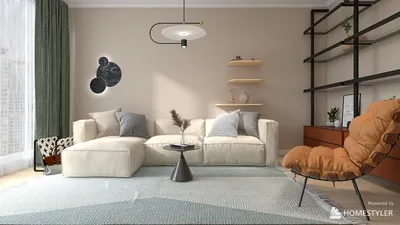


Designing an effective 2D floor plan is essential for visualizing and utilizing a space before any renovations or construction take place. Whether you are a homeowner taking on a DIY project or a professional interior designer, understanding the key principles of floor plan design can lead to a smoother project execution. A well-balanced design harmonizes functionality with visual aesthetics, ensuring every component serves a purpose while enhancing the overall look of the space.
Understanding the Basics of Floor Plans:
To create an effective 2D floor plan, one must grasp its fundamental components. A typical floor plan includes walls, windows, doors, and furniture arrangements. Start by thoroughly measuring your space and sketching an initial layout. It’s essential to consider the flow of movement within the area, as this significantly impacts the design’s utility.
Additionally, it's crucial to envision the function of each room in relation to your entire living environment. Is the space intended for hosting guests, serving as a home office, or providing a relaxing reading nook? Clarifying the primary function of each area will guide your decisions regarding furniture placement and other elements, ensuring the space is optimized for its intended use.
Digital Solutions for Creating 2D Floor Plans:
Leveraging modern technology can greatly improve your ability to design detailed 2D floor plans. Tools like Homestyler, SketchUp, and even simpler programs like Microsoft Visio offer tremendous assistance in crafting professional designs. These platforms often provide user-friendly features, including drag-and-drop capabilities, pre-made templates, and customizable grids that make the planning process more manageable.
Regardless of the software you opt for, be sure to utilize tutorials and online communities. These resources can offer valuable insights and tips that enhance your design approach and streamline your layout efficiency.
Guidelines for Developing Functional Layouts:
When crafting your 2D floor plans, consider the following best practices: 1. Opt for an open floor plan whenever possible to encourage easy movement and social engagement. 2. Make sure your furniture size corresponds with the space; a common mistake is choosing oversized pieces that overwhelm the area. 3. Pay attention to the impact of natural light; the placement of windows should be thoughtfully planned to optimize light distribution in the room.
Lastly, remain adaptable throughout the design process. What seems perfect in the planning stage may not work during implementation. Be open to modifying and refining your design until it aligns with both your vision and functional needs.
FAQs
Q: What are the first steps for creating a 2D floor plan? A: Start by accurately measuring your space and specifying the functional requirements for each area.
Q: Which software is best for beginners in floor plan design? A: Homestyler is highly recommended for beginners due to its intuitive interface and quick visualization capabilities for space layouts.

Minimalist Solid Wood Round Stool Set 3D Model

Meridian Furniture 77054Natural Everson Collection
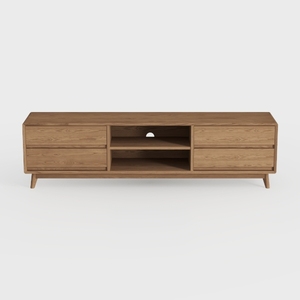
Mid Century Modern Solid Oak TV Stand With Storage Drawers 3D Model
Looking to transform your space? Homestyler is your go-to online design platform! With its user-friendly design tool, stunning 3D renderings, and a wealth of design projects along with DIY video tutorials, achieving your dream home has never been easier. Start creating today!
Design Now for FREE
































