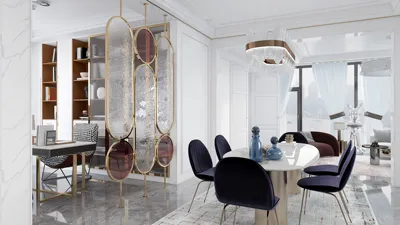


In the past, I installed a striking pendant light in a client's cramped entryway, aiming for a 'mini chandelier palace' aesthetic. It quickly became apparent that the pendant interfered with the door's swing, underscoring a vital lesson: lighting is essential not just for aesthetics, but also for the flow of small spaces. With the correct architectural lighting design, even the tightest area can feel expansive and surprisingly luxurious. This comes alive through creative solutions like using the Homestyler tool to visualize lighting layouts effectively.
1. Multi-Layered Lighting: ambient, task, accent
My approach begins with three fundamental layers: ambient lighting for overall comfort, task lighting for practical activities, and accent lighting to add depth. For instance, in a small kitchen, I would suggest using recessed lights for ambient illumination, under-cabinet strips for task functionality, and narrow accent rails positioned above cabinets. The goal is to achieve clarity and flexibility while minimizing clutter; therefore, opt for slim fixtures and multifunctional designs that fit seamlessly into your space.
save pin
2. Implement Cove and Recessed Lighting to Enhance Space Perception
Utilizing hidden cove lighting can create an illusion of height and soften walls. In a studio apartment renovation, shallow cove troughs made the room feel airy without necessitating any furniture changes. While installation may come with added costs and require careful coordination with ceiling details, the perceived increase in volume usually makes it worthwhile, especially when planned using platforms like Homestyler.
save pin
3. Incorporate Lighting into Millwork
Embedding lights within shelves, wardrobes, and kitchen islands emits a warm, furniture-like glow that is both functional and stylish. For example, adding LED strips in open shelving not only highlighted ceramics but also provided soft mood lighting after dark. The key to success is to plan wiring early in the design process since retrofitting can be cumbersome. With integrated fixtures, you can maintain a clean aesthetic while ensuring effective illumination.
save pin
4. Use Sculptural Accent Fixtures as Design Elements
Opting for a single artistic sconce or a sleek pendant can fulfill the dual purpose of being both an art piece and a light source, which minimizes the need for multiple fixtures. In a narrow hallway, I once installed a shallow wall-washing fixture that created a vertical light band, making it not just functional but also visually striking, helping the area feel more open. Choose these pieces wisely, as incorrect scaling in small rooms can be notably problematic.
save pin
5. Smart Controls and Tunable White Lighting
Dimmable and tunable white LEDs allow residents to effortlessly shift between scenes for work, relaxation, or entertaining, without the need for additional fixtures. For small apartments, I typically program three lighting scenarios: bright cool tones for mornings, warm dim settings for evenings, and a mid-tone for hosting. The small hurdle of user education can be easily addressed with a simple instruction card, ensuring satisfaction among clients.
save pin
Tips 1:
A practical piece of advice is to outline lighting layers when sketching a small space. This strategy helps avert surprises during installation. I also find it beneficial to use an online 3D floor planner, such as Homestyler, to visualize how lighting and furniture will coexist in the space, facilitating quicker comprehension for clients.
save pin
FAQ
Q1: What is architectural lighting design?
A1: Architectural lighting design refers to the careful integration of light sources within a building to enhance functionality, ambiance, and spatial awareness. A successful design harmonizes technical requirements with aesthetic goals.
Q2: How do I determine whether to use recessed or surface fixtures?
A2: Recessed fixtures are ideal for small spaces as they save visual weight and create clean sightlines, whereas surface fixtures can add character. Always consider ceiling height, budget, and your desired style when making this choice.
Q3: Are tunable white LEDs worth the investment?
A3: Absolutely, particularly for multifunctional spaces—they enhance comfort levels and can replicate natural daylight cycles, boosting overall well-being and adaptability.
Q4: How high should a cove be to be effective?
A4: Even a shallow cove of 10–15 cm can be effective, provided the light is well concealed and the reflector finishes are light-toned.
Q5: Can I retrofit integrated millwork lighting later?
A5: Although it is possible, it's labor-intensive. I recommend considering this during the design phase to ensure ease. For retrofitting strategies, refer to manufacturer guidelines from brands like Philips and OSRAM.
Q6: What’s the ideal color temperature for living rooms?
A6: A warm to neutral color temperature (2700K–3000K) creates a cozy atmosphere, while 3000K–3500K works well for multifunctional areas that may serve for reading or hobbies.
Q7: How can I prevent glare in small spaces?
A7: To minimize glare, use indirect lighting, shielding, diffusers, and appropriate lumen output. Layering is also beneficial—lower-intensity accent lights help reduce reliance on a singular glaring source.
Q8: Where can I quickly simulate lighting layouts?
A8: Various online tools provide quick 3D visualization options; for an accessible solution, consider a 3D rendering home service to preview light and shadows before finalizing fixtures.
save pin
Looking to transform your space? Homestyler offers an intuitive online design tool, stunning 3D renderings, and an array of inspiring design projects. Plus, with helpful DIY video tutorials, bringing your home design vision to life has never been easier. Get started today and unleash your creativity!
Concevez maintenant gratuitement
































