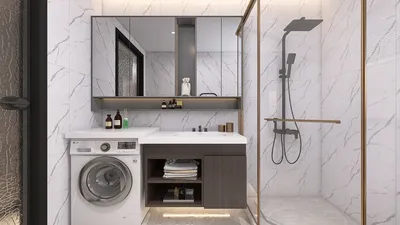


A client once approached me with the quirky request for 'wainscoting that can endure teenage showers and a small dog that loves baths.' This led to some laughter, but ultimately inspired me to craft a practical wall treatment that exceeded their expectations. I usually start by sketching several designs followed by a quick 3D mockup, as visualizing it in three dimensions helps to mitigate disputes and enhances clarity during decision-making every time.
1. Timeless Appeal of Classic Shiplap Wainscoting
Shiplap remains one of my top choices due to its clean, airy aesthetic, particularly in petite powder rooms. It delivers texture without overwhelming the visual space, and with a high-gloss finish on the bottom half, it becomes easy to clean—ideal for families with children and steam issues.
save pin
2. Hybrid Wainscoting: Half-Tile and Painted Combo
Combining a 4–6" tile strip with painted wood above creates a beautiful harmony of durability and warmth. The tile protects areas prone to splashes, while the paint keeps expenses manageable; just be careful with grout upkeep and consider using sealed grout for enhanced longevity.
save pin
3. Inviting Cottage Vibe with Beadboard
Beadboard panels are perfect for smaller bathrooms as they elegantly conceal imperfect walls—I have implemented them in three renovation projects where the studs were slightly out of alignment. You can experiment with different rail heights to highlight a vanity or mirror, and utilize bathroom layout simulation, like Homestyler, to test proportions before any wood cutting begins.
save pin
4. Elevate with Raised Panel Molding
Raised panels convey sophistication, perfect for achieving a high-end hotel ambiance within a confined space. Although they do come with increased costs and require precise installation, I often pair them with a minimalist color palette so that the panels feel elegant rather than overly intricate.
save pin
5. Utilizing Moisture-Resistant PVC or Composite Wainscoting
For bathrooms subject to high humidity or located near shower walls, modern PVC or composite panels are invaluable—offering no risk of rot and low upkeep while also allowing for a wood grain look if added warmth is desired. If establishing a reliable floor plan is your priority, these materials blend well with wet-zone strategies and save on future repairs.
save pin
FAQ
Q1: Can wainscoting work in compact bathrooms?
A1: Definitely; wainscoting can introduce depth and a polished finish without feeling cramped in smaller spaces. Opt for lighter shades and lower rail heights to maintain an airy atmosphere.
Q2: What’s the best height for wainscoting in a bathroom?
A2: Heights typically range from 36" to 42" for an aesthetically pleasing look, but shorter heights can be effective in snug powder rooms. Keep in mind the sizes of fixtures and mirrors when making your choice.
Q3: Which materials are most durable in damp environments?
A3: PVC, composite panels, and properly sealed tiles stand out as the best options for wet areas; painted woods require top-quality primers and paints. For detailed advice on moisture management, refer to the NKBA’s guidelines on material selection.
Q4: Can I install wainscoting on my own?
A4: Experienced DIY enthusiasts can manage installations of beadboard or straightforward panels; however, raised panels and exact moldings often need professional assistance. I’ve salvaged several DIY attempts—getting the preparation and measurements right is more crucial than intricate designs.
Q5: How do I select the right paint finish?
A5: My preferred finishes for lower walls are satin or semi-gloss, as they are both easy to clean and reflective. While matte finishes disguise flaws, they can be challenging to maintain in splash-prone areas.
Q6: Does wainscoting make a bathroom seem outdated?
A6: Not when you approach proportion and detailing thoughtfully—simple designs in modern hues can keep it looking contemporary. Current design trends favor well-executed classic styles over overly elaborate decor.
Q7: What should I budget for wainscoting?
A7: The budget varies widely: basic beadboard can be budget-friendly, while custom raised panels can increase expenditures significantly. It's important to anticipate a range of costs; I always allocate extra funds for moisture-proofing and trim work.
Q8: Any maintenance tips for wainscoting?
A8: Choose washable paint, seal seams near wet areas with mildew-resistant caulk, and avoid creating water traps behind panels. Regularly check grout and seals—minor repairs can prevent larger issues.
save pin
Transform your home design dreams into reality with Homestyler! This user-friendly online platform offers an intuitive design tool, stunning 3D renderings, and a wealth of design projects and DIY video tutorials. Whether you're a beginner or an experienced designer, it's your go-to resource for creating beautiful spaces.
Concevez maintenant gratuitement
































