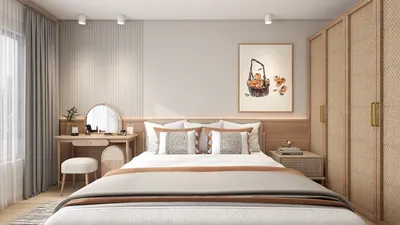


Doors do more than just separate spaces—they significantly influence flow, visibility, sound quality, and overall comfort. Selecting sizes that complement the architecture and accommodate daily functions helps to avoid cramped areas and mismatched swing patterns. Through experience, I've recognized that ensuring correct width, height, and swing dynamics right from the start can lead to cost savings and prevent frustration later on.
Clearances are not mere suggestions; they relate directly to human factors and health guidelines. The WELL v2 standard emphasizes the importance of unobstructed pathways for movement health. Practically, ensuring a clear opening width of around 32"–34" enhances accessibility and minimizes collision risks for mobility aids. Research by Steelcase indicates that diverse movement patterns contribute to wellbeing and cognitive efficiency, thus justifying the need for adequate passage widths in dynamic environments. In terms of lighting design near doors, the Illuminating Engineering Society (IES) recommends maintaining ambient illumination levels between 150–300 lux in high-traffic areas to ensure safe navigation without harsh glare.
For residential and light commercial designs, I place special emphasis on a door strategy during the initial design phase to ensure openings coordinate with traffic flow, furniture placement, and sound management. My focus includes aspects like swing arcs, hinge locations, handle heights, threshold transitions, and their relationship with neighboring light sources and finishes. While design configurations are still being finalized, I utilize a robust room layout tool like Homestyler to visualize swing issues, circulation turns, and furniture positioning.
Standard Interior Door Dimensions
The majority of interior passage doors conform to a standard range: widths of 28", 30", and 32" are commonly seen in residential settings, while 36" widths are recommended for enhanced accessibility or heavy traffic zones. Heights typically standardize at 80" (6'-8"), with 84" (7'-0") and 96" (8'-0") for taller ceilings to create harmony with architectural proportions and improve sightlines. For storage spaces like closets and pantries, a width of 24"–28" usually suffices, provided the clear opening aligns with the storage requirements.
In older homes, you will typically find 30" doors for secondary spaces such as bedrooms and offices, with 28" doors in bathrooms. Upgrading to a width of 32"–36" during retrofitting for better mobility can significantly enhance the turning space between hallways and rooms. For ceilings measuring 9' or taller, employing a door height of 7' or 8' creates a balanced vertical rhythm and mitigates the 'short-door' appearance.
Minimum Clear Opening vs. Nominal Door Size
Keep in mind that a nominal 32" door doesn't necessarily provide a full 32" clear opening. Factors such as hinges, stops, and door thickness typically reduce usable widths—it's advisable to anticipate a reduction of around 1.5"–2" in many cases. Therefore, aim for a clear opening of at least 32" for general circulation; for designs requiring greater accessibility or frequent movement of equipment, a clearer width of 34"–36" is preferred. Additionally, handle placement is critical: maintain lever centers at about 34"–38" above the finished floor for ease of access.
When to Consider Wider Doors
Opt for doors wider than 32" if you expect substantial usage, combined circulation between kitchens and living areas, or regular movement with strollers, carts, or instruments. Wider door leaves also enhance acoustic performance by accommodating thicker cores and help fashion a calming visual effect on busy walls by minimizing trim interruptions. For spaces like family rooms, adaptable studios, or home offices that occasionally welcome larger equipment, I typically recommend a door width of 36".
Tall Doors and Design Proportion
Installing taller doors accentuates verticality and can create a more spacious ambiance in compact areas. Heights of 7'–8' align with elevated transoms, clerestories, and contemporary ceiling elevations. Ensure that head heights are uniform throughout a project to preserve visual cohesion; misaligned head heights can disrupt sightlines and create an uneven corridor feel. When opting for 8' doors, verify the header structure and ensure sufficient hinge support—typically necessitating three robust hinges for solid-core doors.
Swing, Pocket, and Barn Doors
Each type of door presents different spatial considerations. Swing doors require an unobstructed swing area—furniture should be kept at least 10"–12" away from the pull side to allow full operation. Left/right handing should be intuitive to minimize cross-body reach to handles. Pocket doors can save valuable floor space but necessitate clear wall areas free of internal utilities. Barn doors slide on the exterior, offering straightforward installation but generally provide lower sound insulation; they’re best used for visual differentiation rather than soundproofing.
Double Doors and French Sets
Double doors (e.g., 2x 28" or 2x 30") present adaptable entries for living areas, dining rooms, and studios. They enhance sightlines and facilitate furniture arrangements. However, center gaps and astragals can interfere with sound insulation; to improve acoustic performance, consider specifying one active leaf with a fixed panel or installing drop seals on both leaves.
Clearances, Thresholds, and Approach Zones
Consider your approach: ensure that the area allows adequate space to turn and pause comfortably. On the pull side, maintain at least 18" of clearance adjacent to the latch to avoid awkward reaching around the casing. Thresholds should be set minimal or flush to provide a seamless transition—especially in environments using wheeled devices or carts. In moisture-prone zones, micro-thresholds can assist with water drainage without introducing hazards.
Door Thickness, Core, and Acoustics
Solid-core doors enhance sound insulation and provide a more substantial feel. Typical thickness options include 1-3/8" for interior residential uses and 1-3/4" for heavier-duty or acoustic applications. Evaluate the noise characteristics of adjacent corridors before finalizing core choices; if bedrooms are situated close to noisy living spaces, a denser core with appropriate perimeter sealing can make a significant impact. Additionally, combining with soft-close hardware helps minimize slamming sounds and preserve surface finishes.
Hardware Heights and Ergonomics
Lever handles tend to be more ergonomic than traditional knobs, as they reduce wrist strain. Ideally, lever centers should be positioned around 36" above the floor; meanwhile, backset measurements often run 2-3/8" or 2-3/4" based on the lockset. In homes with young children or multiple generations, opt for shapes that are user-friendly and finishes that repel fingerprints. For areas with heavy foot traffic, consider employing sturdier hinges and latches that operate smoothly.
Material and Finish Selection
As points of frequent contact, doors impact user experience. Traditional materials like oak, walnut, and ash convey warmth and texture, while paint-grade MDF delivers crisp aesthetics and cost efficiency; metal and glass are ideal for modern designs that prioritize sightlines. For eco-conscious choices, recommend sourcing FSC-certified wood and low-VOC finishes. In humid locations, it’s advisable to select stable cores and sealed edges to mitigate warping. Glazed doors invite natural light while potentially compromising privacy; use reeded, frosted, or laminate glass where applicable.
Color Psychology at the Threshold
Color at doorways can influence behavior and mood. According to Verywell Mind, blue tones generally promote tranquility, while greens foster balance and rejuvenation. In transitional spaces, opting for muted neutrals minimizes visual distraction; for creative environments, vibrant colors enhance energetic feelings and aid navigation. Ensure that door color coordinates well with the surrounding wall shades to avoid stark contrasts, especially near brightly lit circulation areas.
Lighting Around Doors
Excess glare near the latch can be uncomfortable to navigate. Adhere to IES guidelines for maintaining consistent, uniform lighting in hallways and entrances—targeting around 150–300 lux—while avoiding overly bright fixtures that can create harsh contrasts on hardware. Implement wall washers or indirect lighting sources to soften shadows, and assess sightlines from adjacent areas to thwart hotspots.
Planning Door Layouts in Renovations
Renovations frequently uncover structural realities. Confirm rough opening sizes, header depths, and utility placements before finalizing door selections. In compact apartments, alternatives like sliding or pocket doors can maximize space; for narrow hallways, opt for a single 32"–36" passage door to anchor movement. Utilizing Homestyler can help visualize layouts and identify swing conflicts early in the planning process.
Room-by-Room Door Size Recommendations
For high-traffic areas and equipment, prioritize a door width of 36". Select durable finishes and robust weather seals.
Choose widths of 32"–36" for versatile applications. In open-concept layouts, double doors can enhance views and acoustical management.
Maintain passage doors at 32"–36" to facilitate movement of carts and appliances. Pantry doors can be sized down to 24"–28" if the storage layout allows.
Sizes of 30"–32" suit most spaces. Upgrade to 32" if mobility or furniture flow is a concern.
28"–30" is the standard range; opt for 32" where feasible to enhance accessibility.
For storage areas, consider 24"–28" for single doors or bifold doors depending on depth and nearby furnishings.
Acoustics and Privacy Strategies
In spaces where privacy is crucial—like bedrooms and studies—opt for solid-core doors, quality latches, and effective perimeter seals. If sliding doors are the preferred choice, add soft brush seals, thicker panels, and wall-mounted acoustical absorbers to reduce sound leakage. For home offices, strike a balance between visibility and seclusion by using partially glazed doors with laminated or acoustic glass.
Sustainability and Durability
Choose materials that are responsibly sourced, as well as durable finishes and hardware that can be repaired. In humid or coastal environments, consider hinges and handles that can resist corrosion. Selecting robust doors can also lead to reduced replacement intervals and sustained alignment over their lifespan.
Installation Notes
Ensuring the correct rough opening is essential: typically, it should be 2" wider and 2" taller than the door slab to accommodate jambs and leveling. Verify that both jambs are plumb and level; check swing clearance against any flooring height and rugs present. After painting, testing latch alignment is recommended, as finishes may subtly alter tolerances.
Quick Sizing Checklist
FAQ
In numerous homes, 30" x 80" is frequently utilized for bedrooms and studies, while 28" x 80" fits bathrooms and closets. If space permits, I favor 32" x 80" for improved passage comfort.
Considering hinges, stops, and door thickness, expect approximately 30"–30.5" clear opening. To achieve a true 32" clear width, you may need a 34"–36" nominal door.
Choose 36" in areas with high foot traffic, entrances, or zones that often accommodate large items or mobility aids. This choice also enhances the spatial generosity of open layouts.
Pocket doors optimize space but typically offer less sound isolation compared to solid-core swing varieties. For tranquil bedrooms, a solid-core swing door with appropriate seals is recommended.
Indeed, elevating the head height to 84" or 96" enhances vertical proportions and can visually enlarge compact spaces, especially with lofty ceilings.
A thickness of 1-3/8" is common for interior use. However, opting for a 1-3/4" solid-core door can provide better acoustical properties and longevity, particularly in bedrooms and home offices.
Aim for consistent ambient lighting at around 150–300 lux. This level minimizes glare and aids safe navigation around latch and handle areas.
Lever handles tend to be easier on the wrists than round knobs. Position handles around 36" above the floor to ensure a comfortable reach for most users.
Barn doors offer excellent visual delineation and style but usually fall short on sound isolation and edge sealing. Employ them in areas where acoustic control is less critical.
Ensure a space of roughly 18" on the pull side to prevent awkward reaches and door-edge collisions, particularly important in narrower corridors.
Choose durable, easy-maintenance finishes. Satin or matte metallics resist fingerprints effectively; high-quality paint with a washable finish is suitable for family environments.
While it's feasible, I advise maintaining consistent head heights for visual unity. If variation is necessary, apply this strategically at transitions between distinct spaces.

French Press Coffee Maker, 34 Ounce 1 Liter

Black Stainless Steel Espresso Coffee Machine 3D Model

Minimalist Sage Green Solid Wood Round Side Table 3D Model
Homestyler is your go-to online platform for home design! Explore its user-friendly design tool, stunning 3D renderings, and a wide array of inspiring design projects. Plus, enhance your skills with easy-to-follow DIY video tutorials. Start transforming your space today!
立即免费设计
































